THE ADVENTURE COLLECTIVE® · Independent discovery and booking for outdoor travel

Board the Vistadome from Ollantaytambo and follow the Urubamba canyon to Aguas Calientes, then ascend to Machu Picchu for a guided tour of the citadel. This full-day itinerary blends panoramic rail travel with expert interpretation and included transfers.
Board the Vistadome from Ollantaytambo and follow the Urubamba canyon to Aguas Calientes, then ascend to Machu Picchu for a guided tour of the citadel. This full-day itinerary blends panoramic rail travel with expert interpretation and included transfers.
You step onto the Vistadome at dawn and the train exhales into the high Andes — glass above your head, a ribbon of river and terrace sliding by. The ride south from Ollantaytambo threads the Urubamba River canyon, the valley floor folding into steeper cloudforest. By midmorning the town of Aguas Calientes hovers below the switchbacks that carry buses up to the citadel’s single entrance.
Verified experiences and guided adventures in the surrounding area.
Operated by FLY CUSCO Perú Travel Agency · Aguas Calientes (Machupicchu Pueblo), Cusco Region
You step onto the Vistadome at dawn and the train exhales into the high Andes — glass above your head, a ribbon of river and terrace sliding by. The ride south from Ollantaytambo threads the Urubamba River canyon, the valley floor folding into steeper cloudforest. By midmorning the town of Aguas Calientes hovers below the switchbacks that carry buses up to the citadel’s single entrance.
Machu Picchu sits on a saddle of Precambrian and Tertiary rocks carved by the Urubamba, its terraces clinging to steep slopes engineered by Inca masons in the 15th century. The site’s rediscovery in 1911 shifted global attention to Andean archaeology and to local Quechua culture — you’ll hear stories of agriculture, astronomy, and the Spanish-era routes that never quite reached the lost city.
On a guided 2–3 hour circuit you’ll visit the main plaza, Temple of the Sun, and terraces while your guide explains stonework, drainage, and Inca cosmology. The environment is active: rivers dare you to look down, clouds push across ridges, and orchids and hummingbirds fill the margins of the path.
Practical edge: Machu Picchu requires a reservation with passport details, and the day trip is long (expect 10–12 hours including transfers). Acclimatize in Cusco for 24–48 hours if you can, pack layers and a rain shell, and move deliberately on uneven stone. The Vistadome train adds panoramic views and a more relaxed tempo; bring snacks, cash for crafts in Aguas Calientes, and a charged camera — the best light arrives when clouds peel away around late morning and late afternoon.
moderate.
10–12 hours.
Suitable for most fitness levels but expect walking on uneven stone at 2,430 m (7,970 ft); basic stamina and steady footing required.
Yes — the entry ticket is issued with your passport name, nationality and date of birth; bring the same passport used when booking.
Machu Picchu has uneven stone steps and steep paths; visitors with limited mobility may find access challenging and should contact the operator in advance to discuss options.
Guided tours typically last about 2 to 3 hours and cover the main sectors of the citadel; additional time in Aguas Calientes is usually allowed for lunch and shopping.
Cusco sits at ~3,400 m; take 24–48 hours to acclimatize, hydrate, avoid alcohol, and consider preventative measures like acetazolamide if recommended by your physician.
Machu Picchu was developed by the Incas in the 15th century and reintroduced to global audiences after Hiram Bingham’s 1911 expedition; it remains a key cultural site for Quechua communities.
Visitor numbers are managed through timed tickets and site rules; stick to marked paths, carry out waste, and avoid drones or touching archaeological stone to limit impact.
FLY CUSCO Perú Travel Agency operates guided outdoor trips and adventures with an emphasis on safety, stewardship, and memorable experiences.
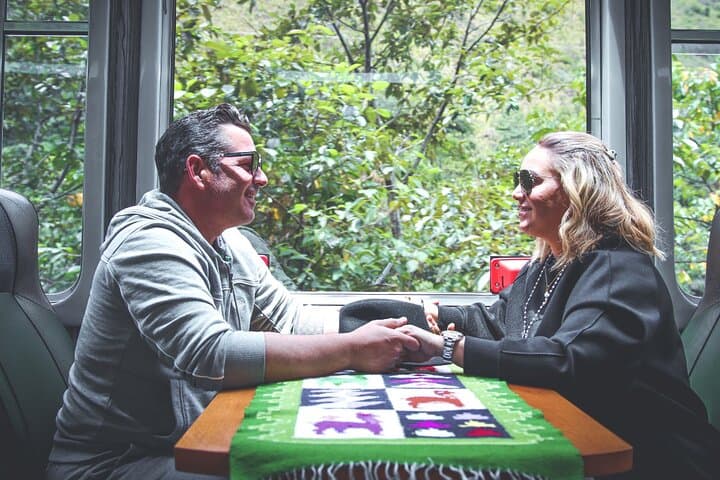


You step onto the Vistadome at dawn and the train exhales into the high Andes — glass above your head, a ribbon of river and terrace sliding by. The ride south from Ollantaytambo threads the Urubamba River canyon, the valley floor folding into steeper cloudforest. By midmorning the town of Aguas Calientes hovers below the switchbacks that carry buses up to the citadel’s single entrance.
You step onto the Vistadome at dawn and the train exhales into the high Andes — glass above your head, a ribbon of river and terrace sliding by. The ride south from Ollantaytambo threads the Urubamba River canyon, the valley floor folding into steeper cloudforest. By midmorning the town of Aguas Calientes hovers below the switchbacks that carry buses up to the citadel’s single entrance.
Machu Picchu sits on a saddle of Precambrian and Tertiary rocks carved by the Urubamba, its terraces clinging to steep slopes engineered by Inca masons in the 15th century. The site’s rediscovery in 1911 shifted global attention to Andean archaeology and to local Quechua culture — you’ll hear stories of agriculture, astronomy, and the Spanish-era routes that never quite reached the lost city.
On a guided 2–3 hour circuit you’ll visit the main plaza, Temple of the Sun, and terraces while your guide explains stonework, drainage, and Inca cosmology. The environment is active: rivers dare you to look down, clouds push across ridges, and orchids and hummingbirds fill the margins of the path.
Practical edge: Machu Picchu requires a reservation with passport details, and the day trip is long (expect 10–12 hours including transfers). Acclimatize in Cusco for 24–48 hours if you can, pack layers and a rain shell, and move deliberately on uneven stone. The Vistadome train adds panoramic views and a more relaxed tempo; bring snacks, cash for crafts in Aguas Calientes, and a charged camera — the best light arrives when clouds peel away around late morning and late afternoon.