THE ADVENTURE COLLECTIVE® · Independent discovery and booking for outdoor travel

A one-day, fully arranged visit to Machu Picchu from the Sacred Valley—train from Ollantaytambo, bus to the ruins and a 2–2.5 hour guided tour included. Perfect for travelers short on time who want a focused introduction to the Lost City of the Incas.
A one-day, fully arranged visit to Machu Picchu from the Sacred Valley—train from Ollantaytambo, bus to the ruins and a 2–2.5 hour guided tour included. Perfect for travelers short on time who want a focused introduction to the Lost City of the Incas.
You step off the train at Aguas Calientes with mist lifting from the Urubamba River and a steep ribbon of road daring you toward the stone city above. The bus curves up the canyon; terraces and carved steps appear like a city grown out of the mountain itself. At roughly 2,430 meters, Machu Picchu’s ruins meet the wind and invite careful footsteps.
Verified experiences and guided adventures in the surrounding area.
Operated by VIPAC Travel · Ollantaytambo, Cusco Region
You step off the train at Aguas Calientes with mist lifting from the Urubamba River and a steep ribbon of road daring you toward the stone city above. The bus curves up the canyon; terraces and carved steps appear like a city grown out of the mountain itself. At roughly 2,430 meters, Machu Picchu’s ruins meet the wind and invite careful footsteps.
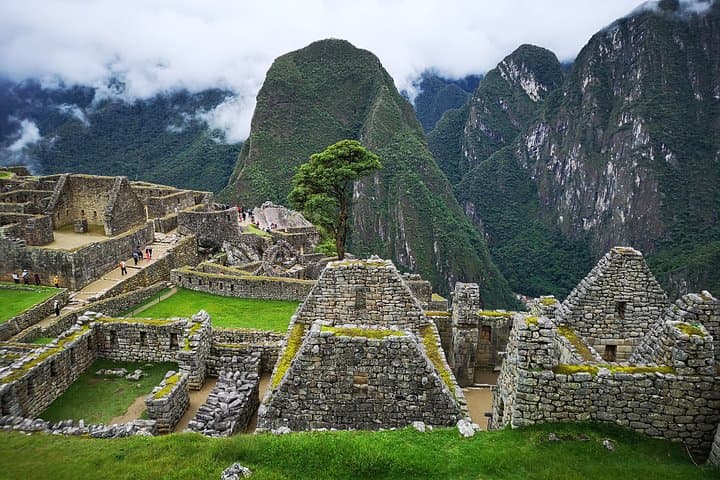
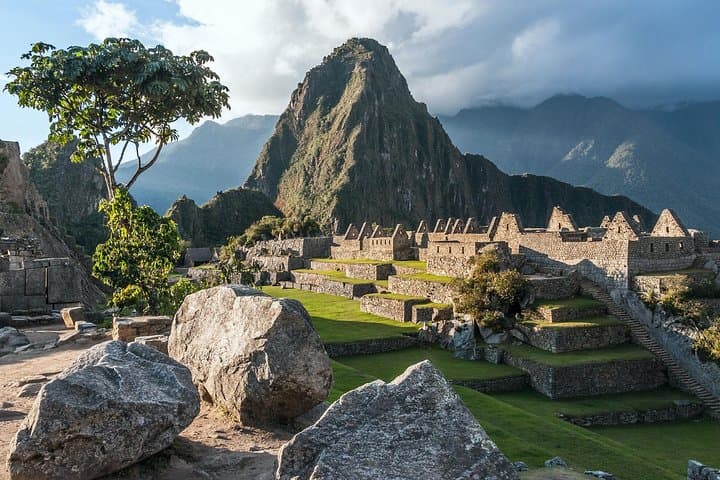
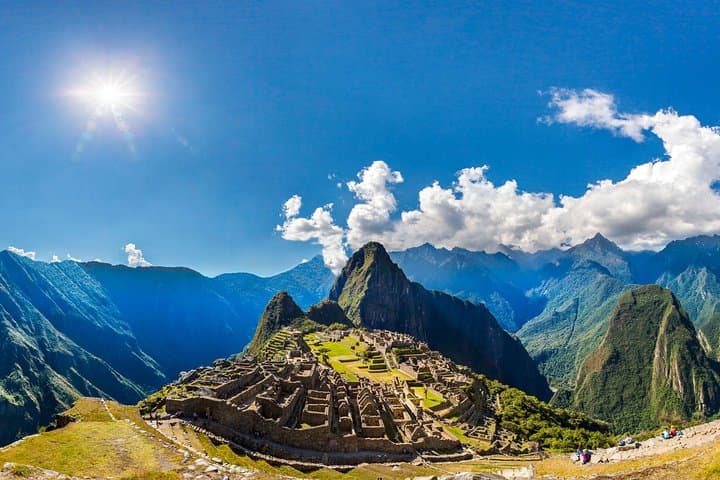
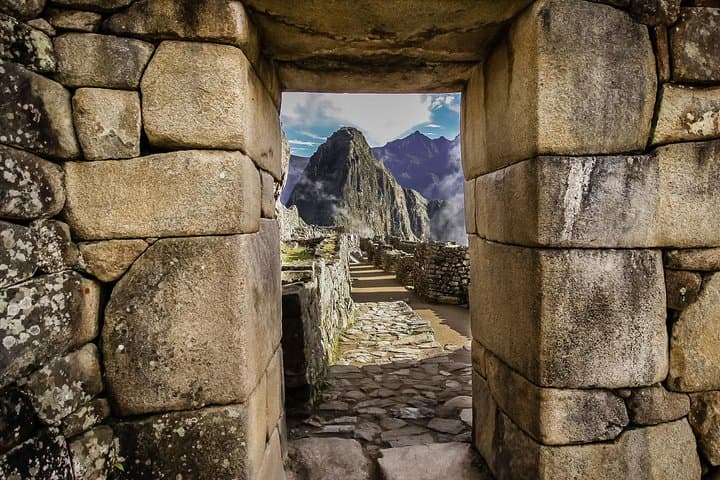
Built on a granite ridge where Andean uplift met river erosion, Machu Picchu was constructed in the mid-15th century and abandoned a century later. The site’s engineered terraces, water channels and precisely cut stone reflect Inca mastery of local geology and microclimates. Today the citadel follows regulated visitor circuits to protect fragile terraces and ceremonial plazas.
Most shared itineraries include a premium round-trip train from Ollantaytambo, a short bus climb from Aguas Calientes, and a 2–2.5 hour guided walk through temples, terraces and urban areas. Expect uneven stone stairs, steep drops and short uphill sections — about 350–400 m vertical between Aguas Calientes and the citadel and several hundred meters of walking across terraces and ramps within the site.
Practical notes: carry your passport (ticket names must match), allow time for line-ups at gates, and pace yourself to the altitude. A lightweight rain shell, good footwear, water and snacks will keep the day comfortable. Plan train times carefully—shared tours often center on 9–11 am shifts—and leave room for small delays when tickets are being issued. With preparation, the day delivers an intense, walkable slice of Inca history framed by the river canyon below.
moderate.
12 hours.
Moderate fitness with ability to walk several kilometers on uneven, stepped terrain and tolerate short uphill sections at high altitude
The standard guided portion included with this trip is about 2 to 2.5 hours, which covers main plazas, key temples and terraces.
Yes—your ticket is issued with your passport name/number and you must present the same ID at entry.
Not usually; Wayna Picchu and Machu Picchu Mountain require separate permits and supplements if available—check availability in advance.
Yes—this tour includes premium train tickets and the Aguas Calientes-to-Machu Picchu bus both ways, as described in the itinerary.
Machu Picchu was built around 1450 under Inca development and was likely an administrative, religious and estate complex before being left largely intact during the Spanish conquest.
Visitor circuits and timed shifts are enforced to limit erosion and protect fragile irrigation terraces; stick to marked paths and avoid touching carved stone where signage requests no contact.
VIPAC Travel operates guided outdoor trips and adventures with an emphasis on safety, stewardship, and memorable experiences.
You step off the train at Aguas Calientes with mist lifting from the Urubamba River and a steep ribbon of road daring you toward the stone city above. The bus curves up the canyon; terraces and carved steps appear like a city grown out of the mountain itself. At roughly 2,430 meters, Machu Picchu’s ruins meet the wind and invite careful footsteps.
You step off the train at Aguas Calientes with mist lifting from the Urubamba River and a steep ribbon of road daring you toward the stone city above. The bus curves up the canyon; terraces and carved steps appear like a city grown out of the mountain itself. At roughly 2,430 meters, Machu Picchu’s ruins meet the wind and invite careful footsteps.
Built on a granite ridge where Andean uplift met river erosion, Machu Picchu was constructed in the mid-15th century and abandoned a century later. The site’s engineered terraces, water channels and precisely cut stone reflect Inca mastery of local geology and microclimates. Today the citadel follows regulated visitor circuits to protect fragile terraces and ceremonial plazas.
Most shared itineraries include a premium round-trip train from Ollantaytambo, a short bus climb from Aguas Calientes, and a 2–2.5 hour guided walk through temples, terraces and urban areas. Expect uneven stone stairs, steep drops and short uphill sections — about 350–400 m vertical between Aguas Calientes and the citadel and several hundred meters of walking across terraces and ramps within the site.
Practical notes: carry your passport (ticket names must match), allow time for line-ups at gates, and pace yourself to the altitude. A lightweight rain shell, good footwear, water and snacks will keep the day comfortable. Plan train times carefully—shared tours often center on 9–11 am shifts—and leave room for small delays when tickets are being issued. With preparation, the day delivers an intense, walkable slice of Inca history framed by the river canyon below.