THE ADVENTURE COLLECTIVE® · Independent discovery and booking for outdoor travel

This full-day excursion from Cusco pairs a scenic train ride with a guided 2–2.5 hour tour of Machu Picchu. Expect mountain views, precise Inca masonry, and practical tips for handling altitude and variable weather.
This full-day excursion from Cusco pairs a scenic train ride with a guided 2–2.5 hour tour of Machu Picchu. Expect mountain views, precise Inca masonry, and practical tips for handling altitude and variable weather.
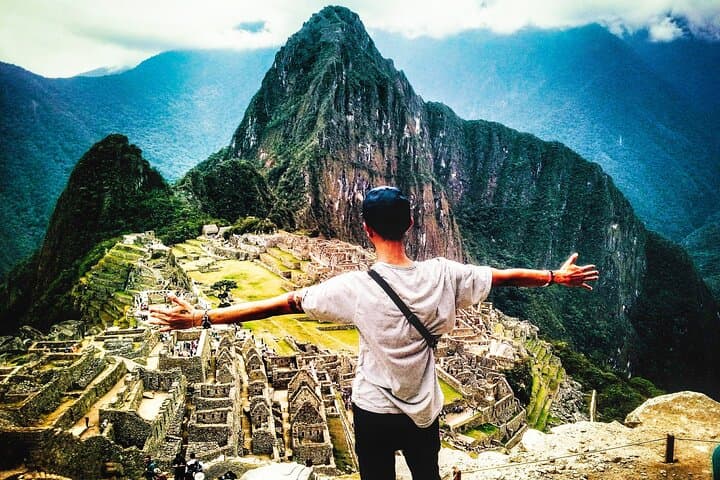
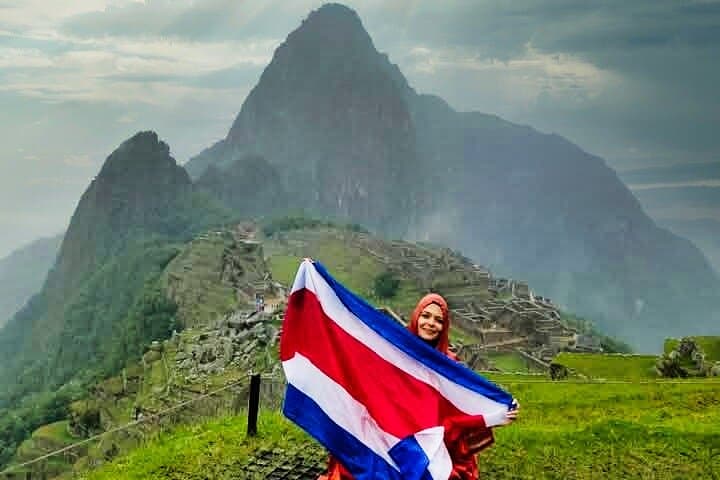
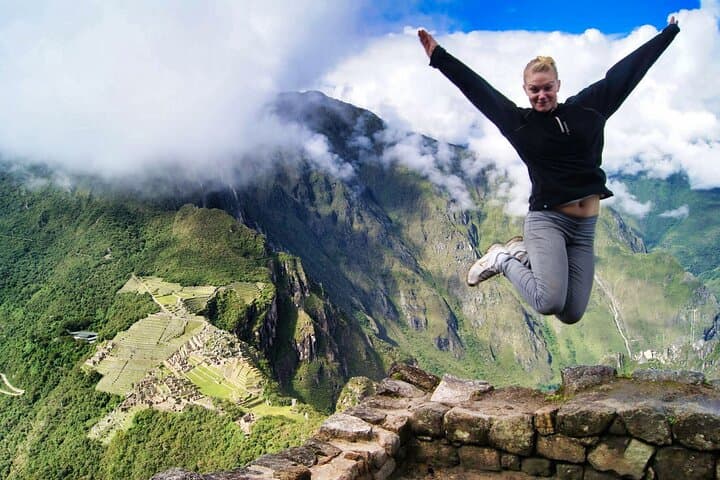
A morning train slips out of Cusco and the valley opens like a moving map: terraced slopes, the Urubamba River threading silver below, and mountains that seem to lean in to watch the passengers. By mid-morning the village of Aguas Calientes appears tucked at the cloudline; a short bus climbs into the ruins and the citadel rises into view—stone terraces stacked against sky, pathways that still hold echoes of footfalls from another era.
Verified experiences and guided adventures in the surrounding area.
Operated by Nuna Expeditions · Aguas Calientes, Cusco Region
A morning train slips out of Cusco and the valley opens like a moving map: terraced slopes, the Urubamba River threading silver below, and mountains that seem to lean in to watch the passengers. By mid-morning the village of Aguas Calientes appears tucked at the cloudline; a short bus climbs into the ruins and the citadel rises into view—stone terraces stacked against sky, pathways that still hold echoes of footfalls from another era.
Machu Picchu sits at the meeting point of Andean geology and Inca engineering: granite ridges shaped by uplift and glaciation, and terraces cut into slopes to manage water and agriculture. The site’s cultural pulse is unmistakable—the Intihuatana stone, temples and trapezoidal doorways speak to precise masonry and ritual life under Inca rule in the 15th century.
On a typical day trip from Cusco expect a scenic train through the Sacred Valley, a shuttle to the entrance, and a 2–2.5 hour guided walk covering the highlights. Guides focus on historical context, architectural detail and key viewpoints for photography. Weather shifts fast here—sun can feel strong at altitude and rain arrives in brief, heavy bursts.
Practical guidance: acclimatize in Cusco for at least 24–48 hours to reduce altitude effects, arrive early to avoid crowds, and wear solid footwear for uneven stone paths. Carry water, a light rain layer and your passport (required for entry) and keep expectations realistic—this is a concentrated, interpretive visit rather than a strenuous climb. The route rewards patience with sweeping panoramas and a clear sense of why this place continues to draw travelers from around the world.
moderate.
10–12 hours.
Moderate fitness recommended; expect 2–3 hours of walking on uneven surfaces at altitude and some short stair sections.
The guided portion is typically 2–2.5 hours, covering main sectors, viewpoints and key archaeological features.
Yes—official ID or passport is required for admission and ticket checks at the site.
The tour is suitable for many ages, but mobility limitations and altitude effects should be considered; contact the operator about accessibility needs.
Acclimatize in Cusco for 24–48 hours, stay hydrated, avoid alcohol the night before and consider talking to your doctor about medication if you’re prone to symptoms.
Constructed in the 15th century under Inca rule, Machu Picchu functioned as a royal estate and religious site that showcases advanced stone-cutting and water management.
Visitor caps and timed entry aim to reduce erosion and wear; stick to marked trails and avoid touching masonry to protect fragile surfaces.
Nuna Expeditions operates guided outdoor trips and adventures with an emphasis on safety, stewardship, and memorable experiences.
A morning train slips out of Cusco and the valley opens like a moving map: terraced slopes, the Urubamba River threading silver below, and mountains that seem to lean in to watch the passengers. By mid-morning the village of Aguas Calientes appears tucked at the cloudline; a short bus climbs into the ruins and the citadel rises into view—stone terraces stacked against sky, pathways that still hold echoes of footfalls from another era.
A morning train slips out of Cusco and the valley opens like a moving map: terraced slopes, the Urubamba River threading silver below, and mountains that seem to lean in to watch the passengers. By mid-morning the village of Aguas Calientes appears tucked at the cloudline; a short bus climbs into the ruins and the citadel rises into view—stone terraces stacked against sky, pathways that still hold echoes of footfalls from another era.
Machu Picchu sits at the meeting point of Andean geology and Inca engineering: granite ridges shaped by uplift and glaciation, and terraces cut into slopes to manage water and agriculture. The site’s cultural pulse is unmistakable—the Intihuatana stone, temples and trapezoidal doorways speak to precise masonry and ritual life under Inca rule in the 15th century.
On a typical day trip from Cusco expect a scenic train through the Sacred Valley, a shuttle to the entrance, and a 2–2.5 hour guided walk covering the highlights. Guides focus on historical context, architectural detail and key viewpoints for photography. Weather shifts fast here—sun can feel strong at altitude and rain arrives in brief, heavy bursts.
Practical guidance: acclimatize in Cusco for at least 24–48 hours to reduce altitude effects, arrive early to avoid crowds, and wear solid footwear for uneven stone paths. Carry water, a light rain layer and your passport (required for entry) and keep expectations realistic—this is a concentrated, interpretive visit rather than a strenuous climb. The route rewards patience with sweeping panoramas and a clear sense of why this place continues to draw travelers from around the world.