THE ADVENTURE COLLECTIVE® · Independent discovery and booking for outdoor travel

Ride a scenic train through the Sacred Valley, climb by shuttle to the citadel, and spend a full morning with an expert guide at Machu Picchu. This small-group day tour from Cusco bundles transport, entrance, and interpretation into one long, high-elevation adventure.
Ride a scenic train through the Sacred Valley, climb by shuttle to the citadel, and spend a full morning with an expert guide at Machu Picchu. This small-group day tour from Cusco bundles transport, entrance, and interpretation into one long, high-elevation adventure.
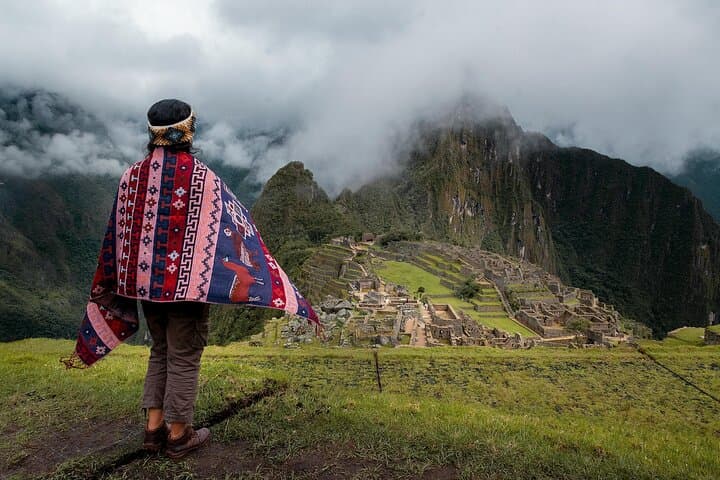
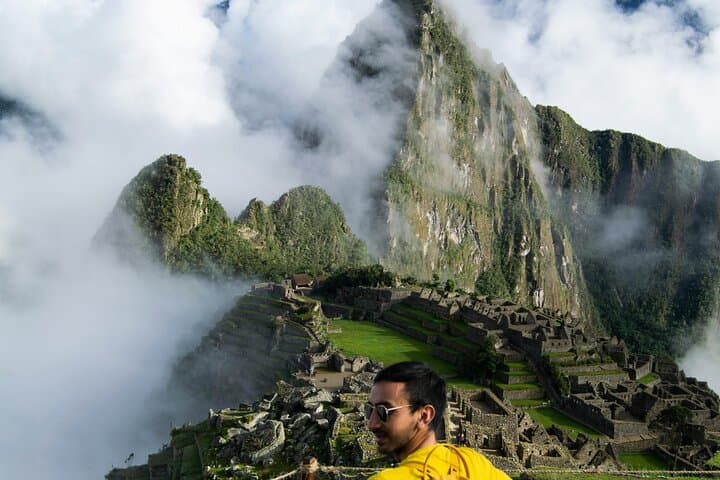
Morning light slices through cloud and moss as the train threads the Urubamba River canyon toward Aguas Calientes. By the time the shuttle climbs the hairpin road above the valley, terraces and stone walls appear in silhouette — Machu Picchu revealing itself in stages rather than a single postcard shot.
Verified experiences and guided adventures in the surrounding area.
Operated by Machu Picchu Wonders · Aguas Calientes (Machu Picchu Pueblo), Cusco Region
Morning light slices through cloud and moss as the train threads the Urubamba River canyon toward Aguas Calientes. By the time the shuttle climbs the hairpin road above the valley, terraces and stone walls appear in silhouette — Machu Picchu revealing itself in stages rather than a single postcard shot.
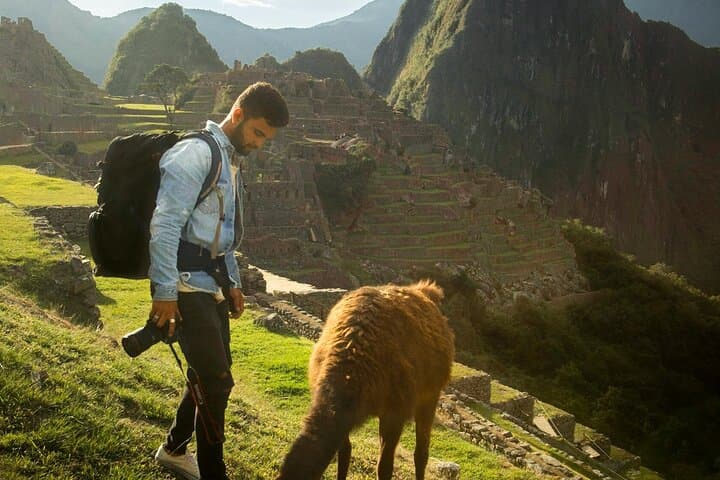
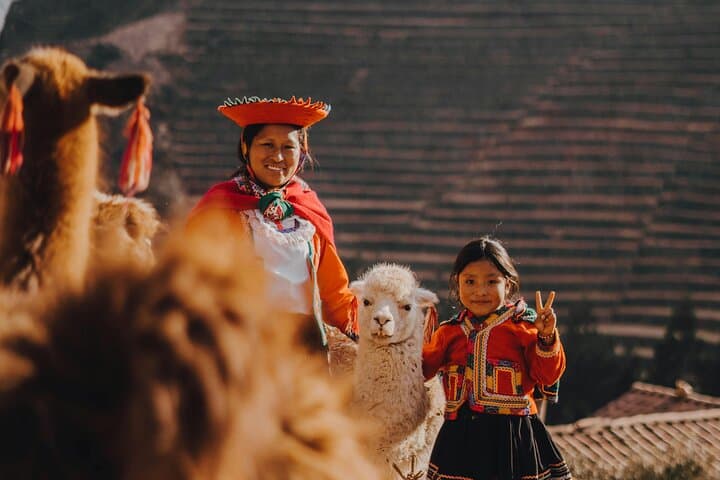
Built in the 15th century during the reign of Pachacuti, Machu Picchu sits on a granite ridge where tectonic uplift and glacial scouring created steep-sided valleys and dramatic ridgelines. The Inca engineered terraces and channels to tame steep slopes and support agriculture; much of what you see are functioning features adapted to microclimates. Local Quechua culture remains strong in surrounding villages; traditional weaving and markets in Ollantaytambo or Aguas Calientes give context to the site’s living landscape.
Expect a guided, moderately paced walk through plazas, temples, and terraces with time for photos and quiet observation. The tour’s early start from Cusco plus round-trip train and park admission streamline logistics so you spend most daylight at the citadel.
Practical guidance: acclimatize in Cusco for 24–48 hours to reduce altitude effects; wear grippy shoes for uneven stone and damp paths; pack a lightweight rain jacket and water. Carry small local currency for snacks in Aguas Calientes. Timed entry and shuttle schedules mean punctuality matters — the day is long but designed to maximize time at the ruins while minimizing transit stress.
moderate.
12–14 hours.
Suitable for travelers in average fitness who can walk on uneven ground for several hours at altitude; basic stamina required for stairs and long day.
Yes; the tour includes the official entrance ticket to Machu Picchu and guided access during the scheduled visit.
Pickup typically begins around 4:15 AM to allow time for road transfer to Ollantaytambo and the scenic train to Aguas Calientes.
Yes—Cusco sits above 3,300 m (10,800 ft). Plan 24–48 hours in Cusco before the tour, hydrate, and avoid heavy alcohol to reduce symptoms.
Those climbs require separate permits and additional time; this standard day tour focuses on the main citadel and does not include summit permits.
Machu Picchu was constructed in the mid-1400s under Inca ruler Pachacuti and served religious, agricultural, and administrative purposes before its abandonment in the 16th century.
Timed tickets, designated paths, and restrictions on access (including separate permits for Huayna Picchu) help limit erosion and visitor impact; visitors are encouraged to stick to trails and avoid single-use plastics.
Machu Picchu Wonders operates guided outdoor trips and adventures with an emphasis on safety, stewardship, and memorable experiences.
Morning light slices through cloud and moss as the train threads the Urubamba River canyon toward Aguas Calientes. By the time the shuttle climbs the hairpin road above the valley, terraces and stone walls appear in silhouette — Machu Picchu revealing itself in stages rather than a single postcard shot.
Morning light slices through cloud and moss as the train threads the Urubamba River canyon toward Aguas Calientes. By the time the shuttle climbs the hairpin road above the valley, terraces and stone walls appear in silhouette — Machu Picchu revealing itself in stages rather than a single postcard shot.
Built in the 15th century during the reign of Pachacuti, Machu Picchu sits on a granite ridge where tectonic uplift and glacial scouring created steep-sided valleys and dramatic ridgelines. The Inca engineered terraces and channels to tame steep slopes and support agriculture; much of what you see are functioning features adapted to microclimates. Local Quechua culture remains strong in surrounding villages; traditional weaving and markets in Ollantaytambo or Aguas Calientes give context to the site’s living landscape.
Expect a guided, moderately paced walk through plazas, temples, and terraces with time for photos and quiet observation. The tour’s early start from Cusco plus round-trip train and park admission streamline logistics so you spend most daylight at the citadel.
Practical guidance: acclimatize in Cusco for 24–48 hours to reduce altitude effects; wear grippy shoes for uneven stone and damp paths; pack a lightweight rain jacket and water. Carry small local currency for snacks in Aguas Calientes. Timed entry and shuttle schedules mean punctuality matters — the day is long but designed to maximize time at the ruins while minimizing transit stress.