THE ADVENTURE COLLECTIVE® · Independent discovery and booking for outdoor travel

Cross three landscapes in seven days: Lima’s colonial plazas, Cusco’s highland archaeology, and Machu Picchu’s carved terraces. This practical 7-day itinerary balances sightseeing with acclimatization, logistics, and local insights for first-time Andean travelers.
Cross three landscapes in seven days: Lima’s colonial plazas, Cusco’s highland archaeology, and Machu Picchu’s carved terraces. This practical 7-day itinerary balances sightseeing with acclimatization, logistics, and local insights for first-time Andean travelers.
You arrive in Lima with the Pacific wind pulling at your jacket, then step forward through centuries: colonial plazas give way to Andean stonework and the air thins as the city of Cusco greets you at roughly 3,400 m. Over seven days the tour moves from seaside boulevards to high-altitude ruins, finishing at the terraces and stairways of Machu Picchu where the mountain seems to hold its breath.
Verified experiences and guided adventures in the surrounding area.
Operated by Viagens Machu Picchu · Cusco, Cusco Region
You arrive in Lima with the Pacific wind pulling at your jacket, then step forward through centuries: colonial plazas give way to Andean stonework and the air thins as the city of Cusco greets you at roughly 3,400 m. Over seven days the tour moves from seaside boulevards to high-altitude ruins, finishing at the terraces and stairways of Machu Picchu where the mountain seems to hold its breath.
This route threads Inca history with Spanish colonial layers: pre-Columbian huacas in Miraflores, Cusco’s Temple of the Sun reworked into a cathedral, and the megaliths of Sacsayhuamán that still fit together without mortar. Geologically, you’ll notice the change from coastal sedimentary cliffs to Andes uplifted granite and volcanic soils; the Sacred Valley follows the Urubamba River as it carves deeper into cloud forest.
Local culture is tangible — markets in Pisac and Ollantaytambo trade textiles and techniques passed down for generations — and the region’s railway and bus logistics reflect both modern tourism and fragile mountain infrastructure.
Practical guidance: allow 48 hours to acclimatize in Cusco, carry water and sunscreen, and plan for rain at any hour near Machu Picchu. The train to Aguas Calientes and the short 30-minute bus to the citadel are included in many packages, but bring your passport for entry. Wear sturdy shoes for uneven stone paths and expect many stairs. Move deliberately at altitude, hydrate often, and reserve early-morning Machu Picchu access if you want softer light and fewer people.
moderate.
7 days.
Moderate fitness: able to walk several hours a day on uneven stone and stairs at altitude; allow time for acclimatization
Yes — Cusco sits near 3,400 m and some sites like Pisac are higher; symptoms can include headaches and nausea. Take it easy on arrival, hydrate, and consult a physician about medication if you have prior issues.
Many packages include entrance to archeological sites and round-trip train and bus to Machu Picchu; confirm with your operator and bring your passport to redeem tickets.
Expect 2–4 hours of walking to explore the main circuits, with steep stone steps and uneven surfaces; you can tailor the visit with your guide for shorter routes.
Drones are prohibited and food restrictions exist — follow site rules and pack snacks to eat in designated areas only.
The route connects coastal colonial Lima with the Inca imperial heartland around Cusco; many Spanish buildings were constructed atop or from Inca foundations.
Machu Picchu limits daily visitors and enforces trail routing to reduce erosion; stay on marked paths, avoid single-use plastics, and respect local communities to limit tourism impact.
Viagens Machu Picchu operates guided outdoor trips and adventures with an emphasis on safety, stewardship, and memorable experiences.
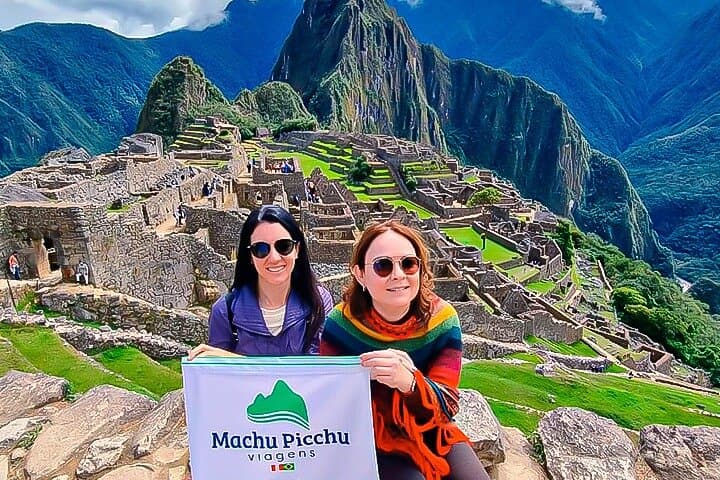


You arrive in Lima with the Pacific wind pulling at your jacket, then step forward through centuries: colonial plazas give way to Andean stonework and the air thins as the city of Cusco greets you at roughly 3,400 m. Over seven days the tour moves from seaside boulevards to high-altitude ruins, finishing at the terraces and stairways of Machu Picchu where the mountain seems to hold its breath.
You arrive in Lima with the Pacific wind pulling at your jacket, then step forward through centuries: colonial plazas give way to Andean stonework and the air thins as the city of Cusco greets you at roughly 3,400 m. Over seven days the tour moves from seaside boulevards to high-altitude ruins, finishing at the terraces and stairways of Machu Picchu where the mountain seems to hold its breath.
This route threads Inca history with Spanish colonial layers: pre-Columbian huacas in Miraflores, Cusco’s Temple of the Sun reworked into a cathedral, and the megaliths of Sacsayhuamán that still fit together without mortar. Geologically, you’ll notice the change from coastal sedimentary cliffs to Andes uplifted granite and volcanic soils; the Sacred Valley follows the Urubamba River as it carves deeper into cloud forest.
Local culture is tangible — markets in Pisac and Ollantaytambo trade textiles and techniques passed down for generations — and the region’s railway and bus logistics reflect both modern tourism and fragile mountain infrastructure.
Practical guidance: allow 48 hours to acclimatize in Cusco, carry water and sunscreen, and plan for rain at any hour near Machu Picchu. The train to Aguas Calientes and the short 30-minute bus to the citadel are included in many packages, but bring your passport for entry. Wear sturdy shoes for uneven stone paths and expect many stairs. Move deliberately at altitude, hydrate often, and reserve early-morning Machu Picchu access if you want softer light and fewer people.