THE ADVENTURE COLLECTIVE® · Independent discovery and booking for outdoor travel

A practical 5-day route through Cusco and the Sacred Valley that pairs hands-on archaeology, highland markets, and a scenic train into the cloud forest of Machu Picchu. Expect moderate walking, high-altitude adjustments, and curated transfers.
A practical 5-day route through Cusco and the Sacred Valley that pairs hands-on archaeology, highland markets, and a scenic train into the cloud forest of Machu Picchu. Expect moderate walking, high-altitude adjustments, and curated transfers.
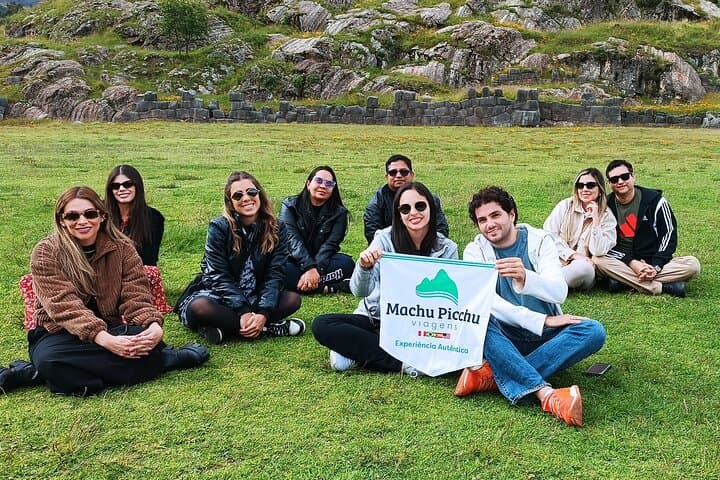
Morning light slices the Andes as the tour begins in Cusco’s Plaza de Armas — its carved stone foundations holding the weight of both Inca plazas and colonial cathedrals. Guests sip coca tea to steady lungs against the altitude while a guide unfurls the route: fortress walls, terraced valleys, highland markets, and a train that crosses from cold puna to steaming cloud forest.
Verified experiences and guided adventures in the surrounding area.
Operated by Viagens Machu Picchu · Cusco, Cusco
Morning light slices the Andes as the tour begins in Cusco’s Plaza de Armas — its carved stone foundations holding the weight of both Inca plazas and colonial cathedrals. Guests sip coca tea to steady lungs against the altitude while a guide unfurls the route: fortress walls, terraced valleys, highland markets, and a train that crosses from cold puna to steaming cloud forest.
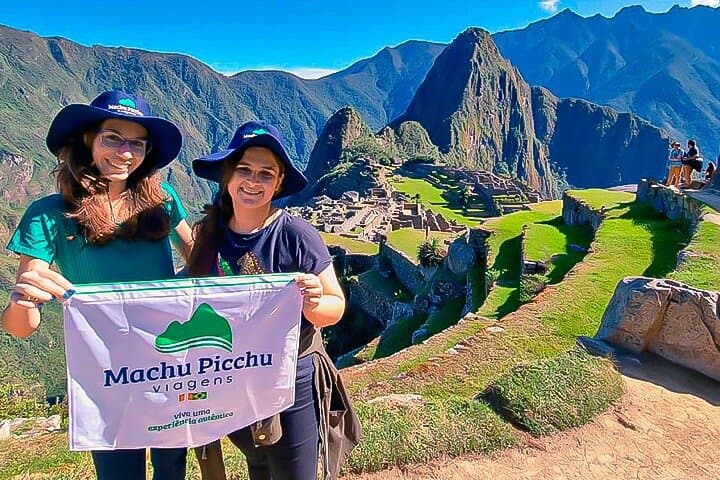
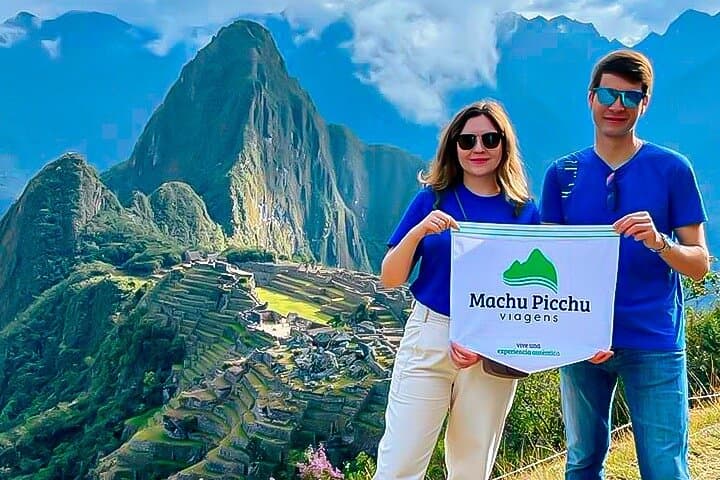
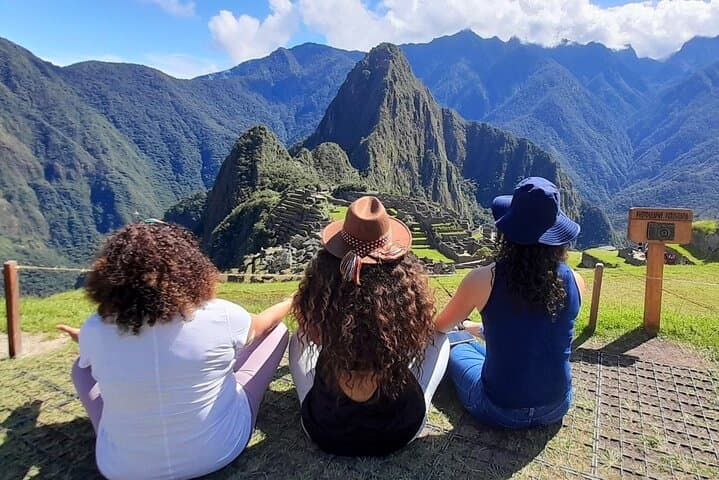
Cusco grew from the heart of the Inca empire; its streets and churches are built directly on palace platforms and ritual courts. Geologically the region is young and steep — folded crystalline rock heaved by subduction of the Nazca Plate — which creates abrupt ridges, deep river canyons and the dramatic rise to Machu Picchu’s granite peaks.
Culturally the Sacred Valley still hums with weaving, Quechua-speaking communities and markets where color and technique reveal living traditions. The tour’s arc — city archaeology, Pisac terraces, Ollantaytambo’s urban plan, and the train to Aguas Calientes — places visitors where Inca engineering meets Amazon humidity.
Practical notes: expect brief to moderate walking on uneven stone and altitude up to ~3,300–3,800 m before descending to Aguas Calientes (~2,000 m). Guides manage tickets, trains and transfers; meals and four hotel nights are included. Hydrate, sleep well before arrival, and move slowly on first day to acclimate.
This itinerary balances immersion and logistics: archeology explained in-context, a scenic rail crossing, and a focused morning in Machu Picchu. It’s ideal for travelers wanting a structured, historically rich route without backcountry camping.
moderate.
5 days.
Moderate fitness; able to walk on uneven ground for 2–4 hours daily and tolerate high altitude.
Yes — the itinerary includes entrance tickets to the archaeological sites visited, including Machu Picchu, as noted in the tour inclusions.
The guided visit is scheduled for the morning with about two hours on-site; there is usually a short window to explore nearby viewpoints before returning to Aguas Calientes.
Altitude affects people differently; the tour recommends resting on arrival, drinking coca tea, and avoiding strenuous activity on day one—medication like acetazolamide may be considered after consulting a doctor.
The tour arranges transfers to Ollantaytambo or Poroy train stations; travel by road to the station followed by a scenic rail trip to Aguas Calientes is included in the package.
Cusco was the administrative and spiritual center of the Inca empire; Spanish colonizers built churches atop Inca foundations, merging two architectural layers visible across the city.
Machu Picchu and the Sacred Valley operate visitor limits and strict trail rules—stay on marked paths, avoid single-use plastics, and follow guide instructions to reduce erosion and cultural impact.
Viagens Machu Picchu operates guided outdoor trips and adventures with an emphasis on safety, stewardship, and memorable experiences.
Morning light slices the Andes as the tour begins in Cusco’s Plaza de Armas — its carved stone foundations holding the weight of both Inca plazas and colonial cathedrals. Guests sip coca tea to steady lungs against the altitude while a guide unfurls the route: fortress walls, terraced valleys, highland markets, and a train that crosses from cold puna to steaming cloud forest.
Morning light slices the Andes as the tour begins in Cusco’s Plaza de Armas — its carved stone foundations holding the weight of both Inca plazas and colonial cathedrals. Guests sip coca tea to steady lungs against the altitude while a guide unfurls the route: fortress walls, terraced valleys, highland markets, and a train that crosses from cold puna to steaming cloud forest.
Cusco grew from the heart of the Inca empire; its streets and churches are built directly on palace platforms and ritual courts. Geologically the region is young and steep — folded crystalline rock heaved by subduction of the Nazca Plate — which creates abrupt ridges, deep river canyons and the dramatic rise to Machu Picchu’s granite peaks.
Culturally the Sacred Valley still hums with weaving, Quechua-speaking communities and markets where color and technique reveal living traditions. The tour’s arc — city archaeology, Pisac terraces, Ollantaytambo’s urban plan, and the train to Aguas Calientes — places visitors where Inca engineering meets Amazon humidity.
Practical notes: expect brief to moderate walking on uneven stone and altitude up to ~3,300–3,800 m before descending to Aguas Calientes (~2,000 m). Guides manage tickets, trains and transfers; meals and four hotel nights are included. Hydrate, sleep well before arrival, and move slowly on first day to acclimate.
This itinerary balances immersion and logistics: archeology explained in-context, a scenic rail crossing, and a focused morning in Machu Picchu. It’s ideal for travelers wanting a structured, historically rich route without backcountry camping.