THE ADVENTURE COLLECTIVE® · Independent discovery and booking for outdoor travel

Ride the scenic train from Ollantaytambo to Aguas Calientes, then climb by bus to the iconic Inca citadel for a privately guided, full-day exploration of Machu Picchu. Expect steep stone steps, changing weather, and ticketed side hikes that require advance planning.
Ride the scenic train from Ollantaytambo to Aguas Calientes, then climb by bus to the iconic Inca citadel for a privately guided, full-day exploration of Machu Picchu. Expect steep stone steps, changing weather, and ticketed side hikes that require advance planning.
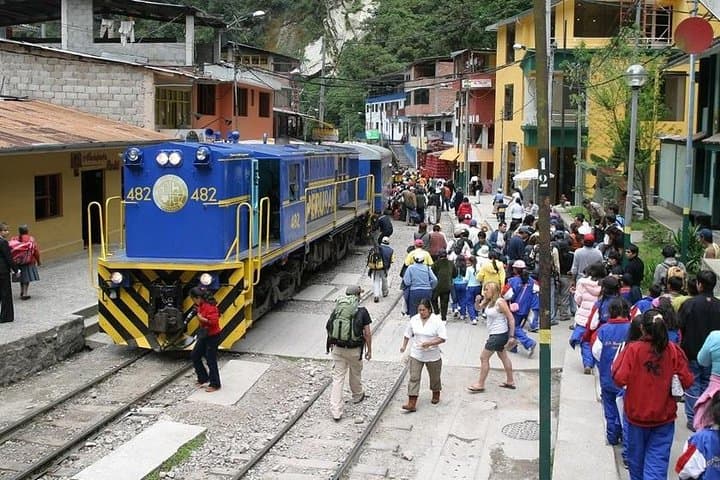
The train slips along the river like a drawn breath through the Andes, terraces and red-roofed Quechua villages sliding past as you head toward the cloud-wreathed citadel of Machu Picchu.
Verified experiences and guided adventures in the surrounding area.
Operated by Cusco Unique Experience · Aguas Calientes, Cusco
The train slips along the river like a drawn breath through the Andes, terraces and red-roofed Quechua villages sliding past as you head toward the cloud-wreathed citadel of Machu Picchu.
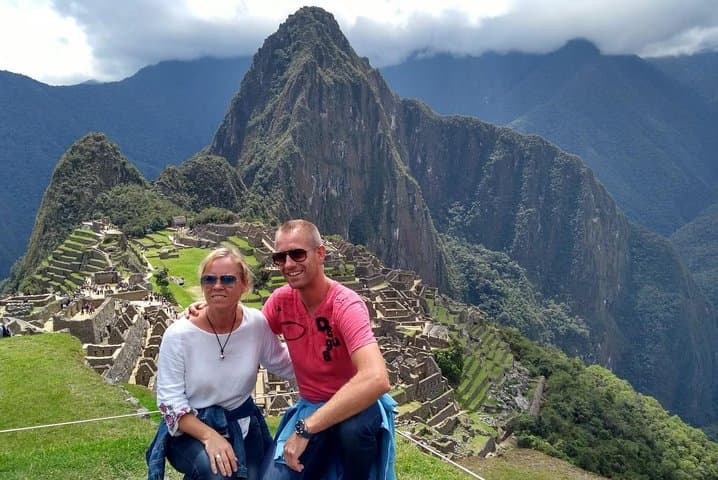
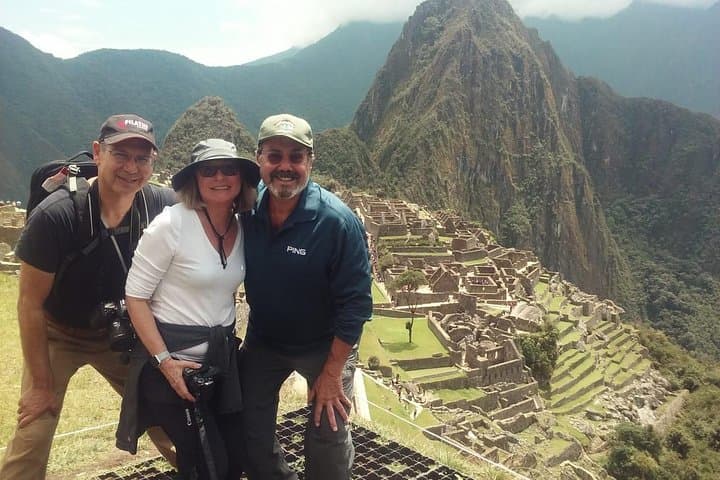
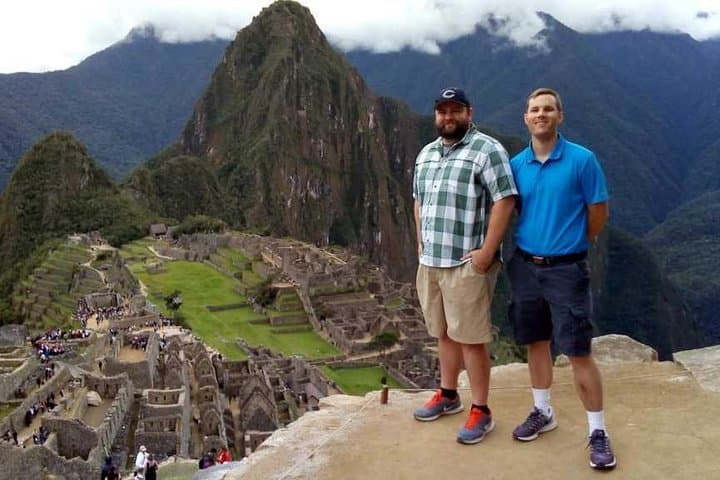
Arriving in Aguas Calientes, you transfer to the zigzag bus that climbs to the stonework of the Incas, where sweat, altitude and history meet on stepped terraces and narrow stone streets. Machu Picchu sits on a granite spine carved by tectonics and glacial action, its plazas and temples laid out by 15th-century engineers under Pachacuti. The site’s dry-stone architecture and agricultural terraces reveal both practical land use and ceremonial intent; every stair and water channel has a purpose.
Local culture—modern Quechua-speaking communities, market crafts in Aguas Calientes, and traditions tied to the Sacred Valley—frames the visit. Geologically, the citadel crowns a fold of Paleozoic to Mesozoic rock uplifted along the Eastern Cordillera; fog fastens to the valley in the afternoon, changing visibility in minutes.
Practically, expect a long day: early pickup in Cusco, a train through Ollantaytambo, time in Aguas Calientes and roughly 90–120 minutes touring Machu Picchu with a guide. Paths are stone and uneven; many stair sections are steep. Bring water, layered rain protection, and allow a gentle pace—altitude and a full day on your feet make a difference. If you want Huayna Picchu or the Sun Gate, reserve permits months ahead. The route rewards patience: light through the clouds often reveals the terraces in sharp relief, and the site’s quiet corners invite a measured, attentive exploration.
moderate.
14 hours.
Able to walk 3–5 miles over uneven, steep stone steps and stand for guided talks; reasonable cardiovascular fitness recommended.
No—Huayna Picchu requires a separate permit and is not included; book months in advance if you want that ascent.
Pickups are typically early morning to connect with the train schedule from Ollantaytambo; expect a pre-dawn hotel pickup depending on train time.
Cusco sits around 3,400 m (11,200 ft); symptoms vary—rest, hydrate, and avoid heavy exertion the first day; consider coca tea or consulting a physician about meds.
The tour includes Machu Picchu entrance, train, bus transfers, guide, and hotel transfers; meals are usually not included—plan for snacks or a meal in Aguas Calientes.
Machu Picchu was built in the mid-15th century under the Inca ruler Pachacuti and abandoned during the Spanish conquest era; rediscovered by Hiram Bingham in 1911 for the western world.
Visitor numbers, restricted trail quotas and timed entry aim to protect fragile stonework and the surrounding cloud forest—stay on marked paths and follow guide instructions.
Cusco Unique Experience operates guided outdoor trips and adventures with an emphasis on safety, stewardship, and memorable experiences.
The train slips along the river like a drawn breath through the Andes, terraces and red-roofed Quechua villages sliding past as you head toward the cloud-wreathed citadel of Machu Picchu.
The train slips along the river like a drawn breath through the Andes, terraces and red-roofed Quechua villages sliding past as you head toward the cloud-wreathed citadel of Machu Picchu.
Arriving in Aguas Calientes, you transfer to the zigzag bus that climbs to the stonework of the Incas, where sweat, altitude and history meet on stepped terraces and narrow stone streets. Machu Picchu sits on a granite spine carved by tectonics and glacial action, its plazas and temples laid out by 15th-century engineers under Pachacuti. The site’s dry-stone architecture and agricultural terraces reveal both practical land use and ceremonial intent; every stair and water channel has a purpose.
Local culture—modern Quechua-speaking communities, market crafts in Aguas Calientes, and traditions tied to the Sacred Valley—frames the visit. Geologically, the citadel crowns a fold of Paleozoic to Mesozoic rock uplifted along the Eastern Cordillera; fog fastens to the valley in the afternoon, changing visibility in minutes.
Practically, expect a long day: early pickup in Cusco, a train through Ollantaytambo, time in Aguas Calientes and roughly 90–120 minutes touring Machu Picchu with a guide. Paths are stone and uneven; many stair sections are steep. Bring water, layered rain protection, and allow a gentle pace—altitude and a full day on your feet make a difference. If you want Huayna Picchu or the Sun Gate, reserve permits months ahead. The route rewards patience: light through the clouds often reveals the terraces in sharp relief, and the site’s quiet corners invite a measured, attentive exploration.