THE ADVENTURE COLLECTIVE® · Independent discovery and booking for outdoor travel

Board the morning train from Poroy and spend a full day exploring Machu Picchu with a bilingual guide. This one-day itinerary combines scenic rail travel, a guided tour of the citadel, and free time in Aguas Calientes for meals and photos.
Board the morning train from Poroy and spend a full day exploring Machu Picchu with a bilingual guide. This one-day itinerary combines scenic rail travel, a guided tour of the citadel, and free time in Aguas Calientes for meals and photos.
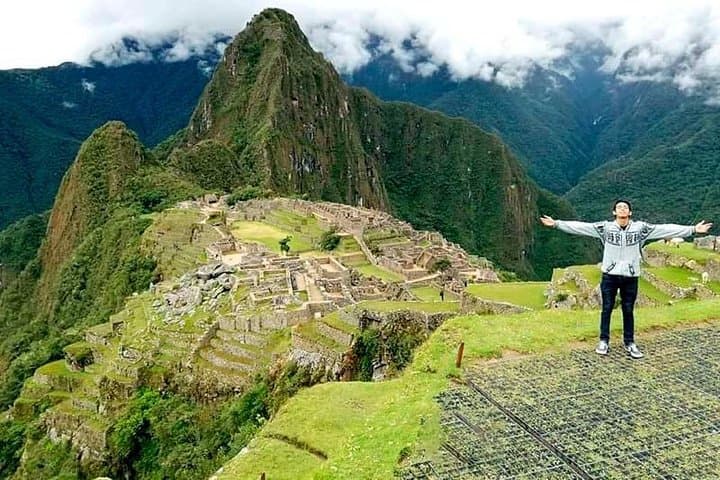
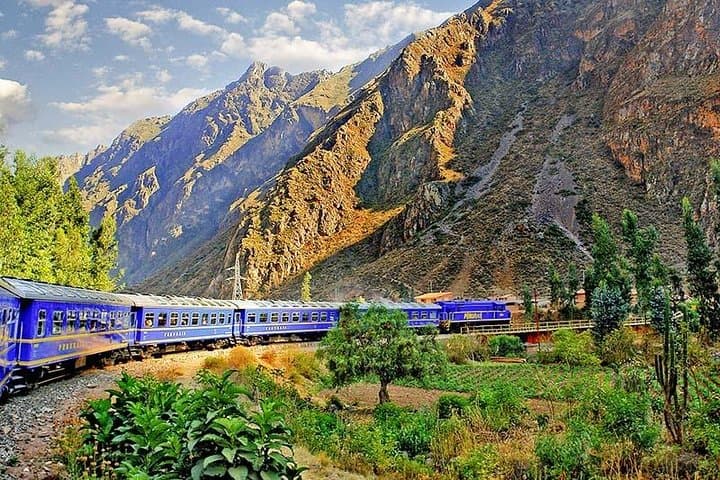
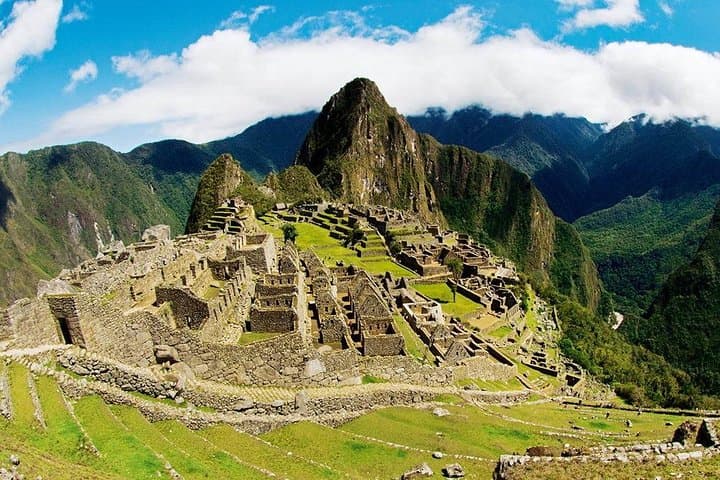
Morning light slices the Urubamba River gorge as the train climbs out of Poroy, and the Andes open like pages of a history book. The rail journey across high valleys and terraced hills delivers travelers to Aguas Calientes; a short, winding bus ride then drops you at the stone thresholds of Machu Picchu, where terraces and stairways rise from the cloud forest.
Verified experiences and guided adventures in the surrounding area.
Operated by Machu Picchu Peru Agency · Aguas Calientes (Machu Picchu Pueblo), Cusco
Morning light slices the Urubamba River gorge as the train climbs out of Poroy, and the Andes open like pages of a history book. The rail journey across high valleys and terraced hills delivers travelers to Aguas Calientes; a short, winding bus ride then drops you at the stone thresholds of Machu Picchu, where terraces and stairways rise from the cloud forest.
The citadel was built by the Incas in the 15th century on a granite ridge above the river. Its precise masonry, agricultural terraces and ritual spaces reflect local geology—steep, fractured bedrock shaped by seismic uplift and tropical erosion—and a culture that moved stone with exacting skill. Hiram Bingham’s 1911 reintroduction put Machu Picchu on the world map, but the site retains a quiet, purposeful presence shaped by Quechua traditions nearby.
Expect uneven stone steps, narrow paths and sudden weather shifts: sun one minute, mist the next as the cloud forest breathes. The guided two-hour circuit covers the main plazas, the Temple of the Three Windows and the circular tower, then you get free time to linger or climb to nearby viewpoints.
Practicalities: carry your passport (required at the control), wear grippy footwear for wet stones, and bring layers—temperatures vary with altitude (Machu Picchu ~2,430 m). Start early to avoid crowds, hydrate, and leave no trace: the site enforces ticketing and route limits to protect fragile terraces. The day is long—train plus bus transfers mean a full 12-hour itinerary—so plan meals and rest accordingly.
moderate.
12 hours (full day).
Should be comfortable walking 2–4 miles on uneven, stepped terrain and managing short steep sections at moderate altitude.
Yes—original passport or official ID is checked at the entrance control and must match the name on your ticket.
Huayna Picchu and Machu Picchu Mountain require separate permits and are not included in the standard guided tour; check availability and book ahead if you want to add them.
The guided circuit covers the main sectors over about two hours with uneven steps and short climbs; you may extend your walking during free time but total walking is moderate.
The itinerary is marketed as suitable for all fitness levels, but uneven terrain and long travel days mean young children or people with mobility limits should plan accordingly.
Machu Picchu was built by the Incas in the 15th century and remained unknown to most outsiders until Hiram Bingham’s 1911 expedition brought global attention.
Peru limits daily entries and prescribes routes to protect fragile terraces; follow signage, don’t stray off paths, and pack out trash to support preservation.
Machu Picchu Peru Agency operates guided outdoor trips and adventures with an emphasis on safety, stewardship, and memorable experiences.
Morning light slices the Urubamba River gorge as the train climbs out of Poroy, and the Andes open like pages of a history book. The rail journey across high valleys and terraced hills delivers travelers to Aguas Calientes; a short, winding bus ride then drops you at the stone thresholds of Machu Picchu, where terraces and stairways rise from the cloud forest.
Morning light slices the Urubamba River gorge as the train climbs out of Poroy, and the Andes open like pages of a history book. The rail journey across high valleys and terraced hills delivers travelers to Aguas Calientes; a short, winding bus ride then drops you at the stone thresholds of Machu Picchu, where terraces and stairways rise from the cloud forest.
The citadel was built by the Incas in the 15th century on a granite ridge above the river. Its precise masonry, agricultural terraces and ritual spaces reflect local geology—steep, fractured bedrock shaped by seismic uplift and tropical erosion—and a culture that moved stone with exacting skill. Hiram Bingham’s 1911 reintroduction put Machu Picchu on the world map, but the site retains a quiet, purposeful presence shaped by Quechua traditions nearby.
Expect uneven stone steps, narrow paths and sudden weather shifts: sun one minute, mist the next as the cloud forest breathes. The guided two-hour circuit covers the main plazas, the Temple of the Three Windows and the circular tower, then you get free time to linger or climb to nearby viewpoints.
Practicalities: carry your passport (required at the control), wear grippy footwear for wet stones, and bring layers—temperatures vary with altitude (Machu Picchu ~2,430 m). Start early to avoid crowds, hydrate, and leave no trace: the site enforces ticketing and route limits to protect fragile terraces. The day is long—train plus bus transfers mean a full 12-hour itinerary—so plan meals and rest accordingly.