THE ADVENTURE COLLECTIVE® · Independent discovery and booking for outdoor travel

Ride the PeruRail through the Urubamba Valley and spend two nights en route to Machu Picchu. This 3‑day trip pairs scenic rail travel with an early‑morning guided visit to the Inca citadel and optional summit hikes.
Ride the PeruRail through the Urubamba Valley and spend two nights en route to Machu Picchu. This 3‑day trip pairs scenic rail travel with an early‑morning guided visit to the Inca citadel and optional summit hikes.
The train slides along the Urubamba River, mountains rising like folded pages as the valley opens into cloud forest and craggy terraces. Window frames a changing landscape — orchards, rushing water daring you to look away — until the railway reaches Aguas Calientes, a compact town humming with travelers preparing for the ascent to Machu Picchu.
Verified experiences and guided adventures in the surrounding area.
Operated by Bamba Travel · Aguas Calientes, Cusco Region
The train slides along the Urubamba River, mountains rising like folded pages as the valley opens into cloud forest and craggy terraces. Window frames a changing landscape — orchards, rushing water daring you to look away — until the railway reaches Aguas Calientes, a compact town humming with travelers preparing for the ascent to Machu Picchu.
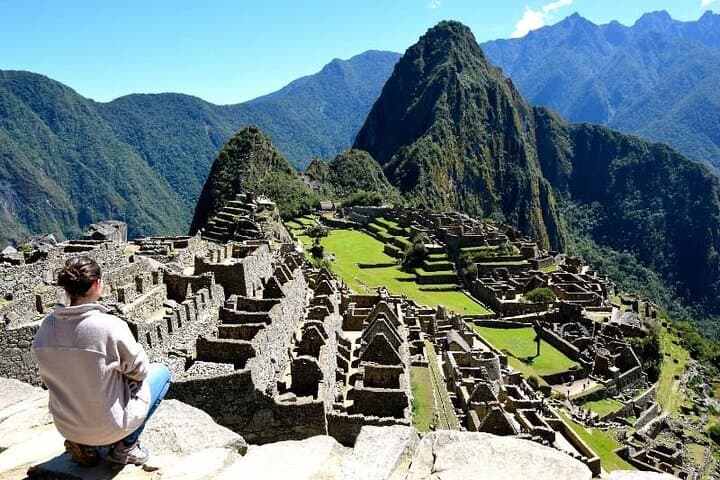
Machu Picchu sits on a ridge above the Urubamba, its ashlar stonework a product of 15th‑century Inca engineering. The citadel’s terraces cling to steep granite carved by millennia of tectonic uplift and river erosion; the result is dramatic verticality and microclimates that host both high‑Andean flora and cloud‑forest species. Local Quechua communities continue to shape the region’s culture — markets, traditional foods and the cadence of Andean Spanish are part of the approach.
Expect an early morning at the site: first buses, cool air, and an organized two‑hour guided circuit across plazas and temples. Beyond the main loop are optional climbs — Huayna Picchu or the Sun Gate — that offer panoramic payoff but require advance booking and steadier footing. Practicalities matter: altitude (Cusco sits ~3,400 m), narrow stone staircases, and sudden weather swings mean layers, steady shoes and time to acclimatize.
This itinerary combines rail travel with walking and short transfers; it’s accessible for most but rewards respect for elevation and preservation rules. Plan train schedules, reserve Huayna Picchu early if desired, and carry water, sun protection and a compact rain layer to make the most of the citadel and its dramatic setting.
moderate.
3 days (approx. 72 hours).
Reasonable fitness for walking on uneven ground and climbing stone steps; altitude tolerance recommended.
Train travel to Aguas Calientes and transfers are included as described, but official Machu Picchu entrance permits and Huayna Picchu tickets may be handled separately—confirm at booking.
The guided route is mainly walking with many stone steps; most visitors manage it with frequent rests, but some sections are steep and uneven.
Take one of the first buses at opening to avoid crowds and capture clearer air and light; the site can be busiest from late morning onward.
Aguas Calientes offers luggage storage; bring only what you need to the citadel as buses and pathways are narrow.
Constructed in the 15th century and rediscovered in 1911, Machu Picchu was a royal estate and religious center showcasing Inca stone masonry and agricultural terraces.
Machu Picchu is a UNESCO World Heritage Site with strict visitor limits and regulations—stay on marked paths, pack out waste, and follow guide instructions to reduce impact.
Bamba Travel operates guided outdoor trips and adventures with an emphasis on safety, stewardship, and memorable experiences.
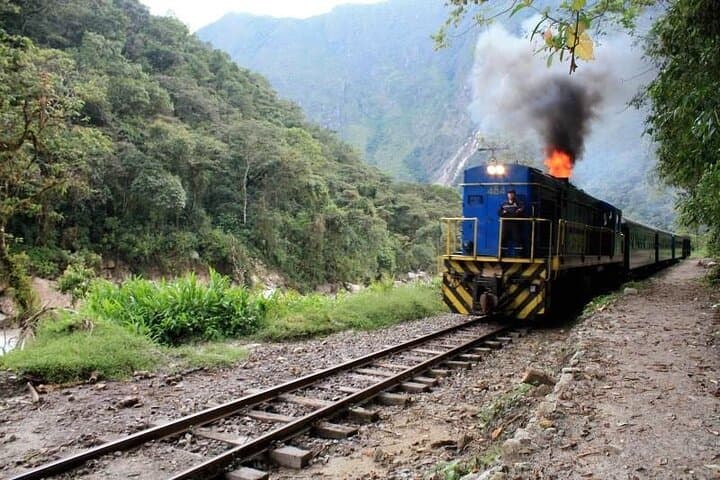
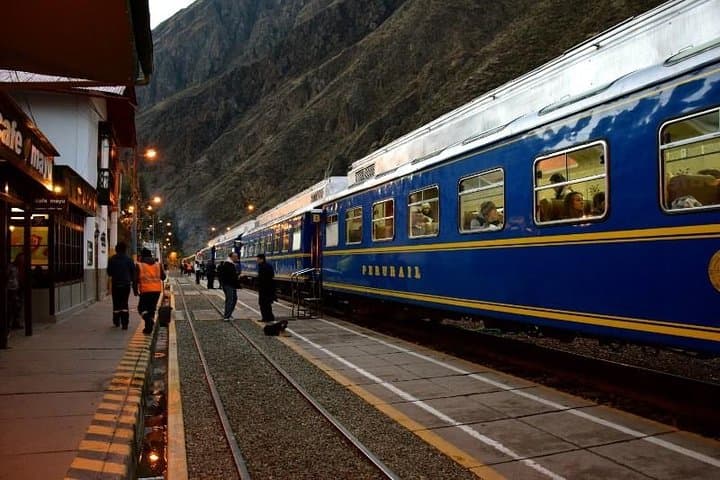
The train slides along the Urubamba River, mountains rising like folded pages as the valley opens into cloud forest and craggy terraces. Window frames a changing landscape — orchards, rushing water daring you to look away — until the railway reaches Aguas Calientes, a compact town humming with travelers preparing for the ascent to Machu Picchu.
The train slides along the Urubamba River, mountains rising like folded pages as the valley opens into cloud forest and craggy terraces. Window frames a changing landscape — orchards, rushing water daring you to look away — until the railway reaches Aguas Calientes, a compact town humming with travelers preparing for the ascent to Machu Picchu.
Machu Picchu sits on a ridge above the Urubamba, its ashlar stonework a product of 15th‑century Inca engineering. The citadel’s terraces cling to steep granite carved by millennia of tectonic uplift and river erosion; the result is dramatic verticality and microclimates that host both high‑Andean flora and cloud‑forest species. Local Quechua communities continue to shape the region’s culture — markets, traditional foods and the cadence of Andean Spanish are part of the approach.
Expect an early morning at the site: first buses, cool air, and an organized two‑hour guided circuit across plazas and temples. Beyond the main loop are optional climbs — Huayna Picchu or the Sun Gate — that offer panoramic payoff but require advance booking and steadier footing. Practicalities matter: altitude (Cusco sits ~3,400 m), narrow stone staircases, and sudden weather swings mean layers, steady shoes and time to acclimatize.
This itinerary combines rail travel with walking and short transfers; it’s accessible for most but rewards respect for elevation and preservation rules. Plan train schedules, reserve Huayna Picchu early if desired, and carry water, sun protection and a compact rain layer to make the most of the citadel and its dramatic setting.