THE ADVENTURE COLLECTIVE® · Independent discovery and booking for outdoor travel

Ride the scenic PeruRail through the Urubamba Valley, sleep in Aguas Calientes, then watch dawn lift over Machu Picchu. This two-day, one-night itinerary pairs a guided tour of the citadel with free time for optional hikes like Inti Punku or Huayna Picchu.
Ride the scenic PeruRail through the Urubamba Valley, sleep in Aguas Calientes, then watch dawn lift over Machu Picchu. This two-day, one-night itinerary pairs a guided tour of the citadel with free time for optional hikes like Inti Punku or Huayna Picchu.
Dawn arrives as the train threads the Urubamba Valley: terraces fall away, rivers flash silver, and the Andes push up from cloud to stone. By evening you’re in Aguas Calientes, a compact cloud-forest town humming with trekking talk; before sunrise the tourist buses will ferry you up a narrow switchback to the entrance gate where the citadel waits like a worked stone memory.
Verified experiences and guided adventures in the surrounding area.
Operated by Bamba Travel · Aguas Calientes, Cusco
Dawn arrives as the train threads the Urubamba Valley: terraces fall away, rivers flash silver, and the Andes push up from cloud to stone. By evening you’re in Aguas Calientes, a compact cloud-forest town humming with trekking talk; before sunrise the tourist buses will ferry you up a narrow switchback to the entrance gate where the citadel waits like a worked stone memory.
Machu Picchu was built in the mid-15th century during the height of the Inca empire and abandoned a century later. The site sits on a limestone ridge carved by the Vilcanota (Urubamba) River and shaped by steep glacial and fluvial erosion; terraces and water channels reveal an engineering logic tuned to steep slopes and heavy Andean rains. Local Quechua culture still threads through the valley — guides translate place names, and villages outside Cusco keep traditional weaving and cuisine alive.
Practical guidance is straightforward: take the early train slot and an early bus up to avoid crowds and catch changing light across the stone sectors. The guided two-hour tour covers the Main Plaza, Temple of the Sun and agricultural terraces, then you get free time for photos or an optional hike to Inti Punku or Huayna Picchu if prebooked.
Prepare for altitude, sudden rain and a lot of steps; comfortable walking shoes, layered clothing and ample water make the visit a lot more enjoyable. Tickets, train seats and Huayna Picchu permits sell out—book them well in advance. With planning, the two-day rhythm — valley rail, overnight in Aguas Calientes, sunrise at the citadel — turns an iconic visit into an efficient, unforgettable mountain experience.
moderate.
2 days, 1 night.
Moderate fitness recommended: ability to walk several hours on uneven stone steps and climb steep trails at altitude.
This itinerary includes the round-trip tourist train from Ollantaytambo, the Aguas Calientes–Machu Picchu bus and the Machu Picchu entrance fee as stated—confirm specific inclusions at booking.
Yes, but those hikes require separate, limited permits that must be prebooked; check availability before your trip.
Machu Picchu has uneven stone surfaces and many steps; visitors with significant mobility limitations may find access challenging and should plan accordingly.
Acclimatize in Cusco for at least one night, stay hydrated, avoid heavy meals and strenuous exertion on arrival; seek local medical help if symptoms worsen.
Machu Picchu was constructed in the 15th century by the Inca and abandoned after the Spanish conquest; its terraces and waterworks demonstrate advanced Inca engineering adapted to steep terrain.
Visitor numbers and timed entries are enforced to limit wear; stay on marked paths, avoid touching masonry and follow guide instructions to protect the fragile site.
Bamba Travel operates guided outdoor trips and adventures with an emphasis on safety, stewardship, and memorable experiences.

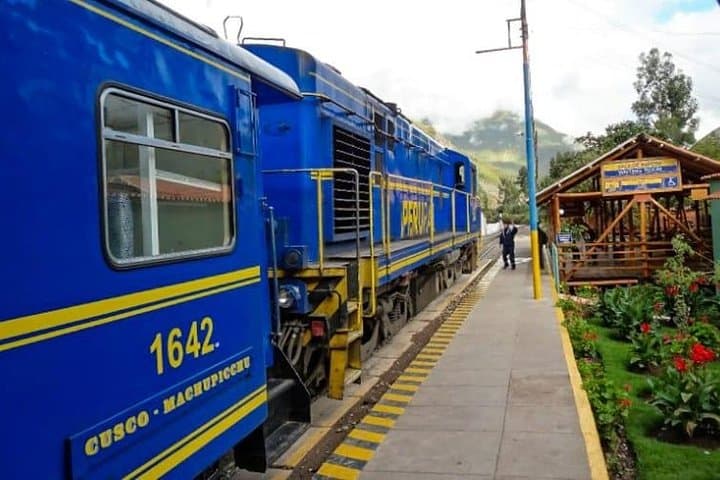
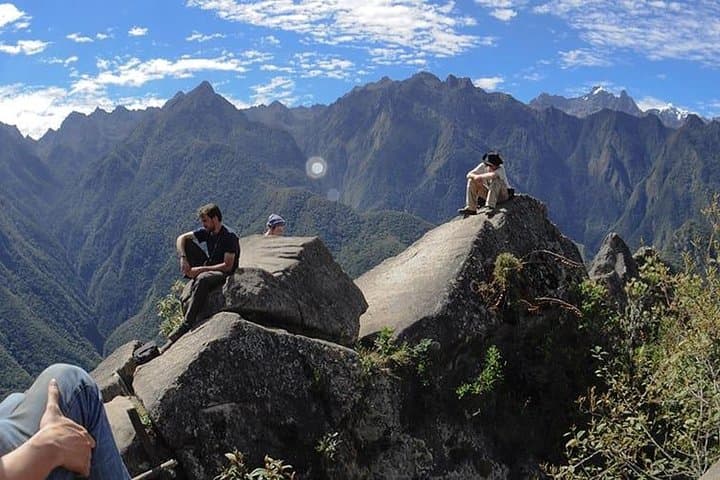

Dawn arrives as the train threads the Urubamba Valley: terraces fall away, rivers flash silver, and the Andes push up from cloud to stone. By evening you’re in Aguas Calientes, a compact cloud-forest town humming with trekking talk; before sunrise the tourist buses will ferry you up a narrow switchback to the entrance gate where the citadel waits like a worked stone memory.
Dawn arrives as the train threads the Urubamba Valley: terraces fall away, rivers flash silver, and the Andes push up from cloud to stone. By evening you’re in Aguas Calientes, a compact cloud-forest town humming with trekking talk; before sunrise the tourist buses will ferry you up a narrow switchback to the entrance gate where the citadel waits like a worked stone memory.
Machu Picchu was built in the mid-15th century during the height of the Inca empire and abandoned a century later. The site sits on a limestone ridge carved by the Vilcanota (Urubamba) River and shaped by steep glacial and fluvial erosion; terraces and water channels reveal an engineering logic tuned to steep slopes and heavy Andean rains. Local Quechua culture still threads through the valley — guides translate place names, and villages outside Cusco keep traditional weaving and cuisine alive.
Practical guidance is straightforward: take the early train slot and an early bus up to avoid crowds and catch changing light across the stone sectors. The guided two-hour tour covers the Main Plaza, Temple of the Sun and agricultural terraces, then you get free time for photos or an optional hike to Inti Punku or Huayna Picchu if prebooked.
Prepare for altitude, sudden rain and a lot of steps; comfortable walking shoes, layered clothing and ample water make the visit a lot more enjoyable. Tickets, train seats and Huayna Picchu permits sell out—book them well in advance. With planning, the two-day rhythm — valley rail, overnight in Aguas Calientes, sunrise at the citadel — turns an iconic visit into an efficient, unforgettable mountain experience.