THE ADVENTURE COLLECTIVE® · Independent discovery and booking for outdoor travel

Skip the busy train and take a quieter, scenic 2-day route from Cusco to Machu Picchu via Hidroeléctrica. Combine a riverside hike to Aguas Calientes with an early-morning guided tour of the citadel.
Skip the busy train and take a quieter, scenic 2-day route from Cusco to Machu Picchu via Hidroeléctrica. Combine a riverside hike to Aguas Calientes with an early-morning guided tour of the citadel.
Dawn on the Andean road feels immediate—the engine hum, thin air, and a ribbon of asphalt that slides down from Cusco into cloud forest. Travelers begin high on the altiplano, then descend 1,300 meters through puna grasslands and terraces until the valley widens and the Vilcanota River asserts itself, pushing you toward Hidroeléctrica.
Verified experiences and guided adventures in the surrounding area.
Operated by Xplor Machu Picchu · Aguas Calientes, Cusco
Dawn on the Andean road feels immediate—the engine hum, thin air, and a ribbon of asphalt that slides down from Cusco into cloud forest. Travelers begin high on the altiplano, then descend 1,300 meters through puna grasslands and terraces until the valley widens and the Vilcanota River asserts itself, pushing you toward Hidroeléctrica.
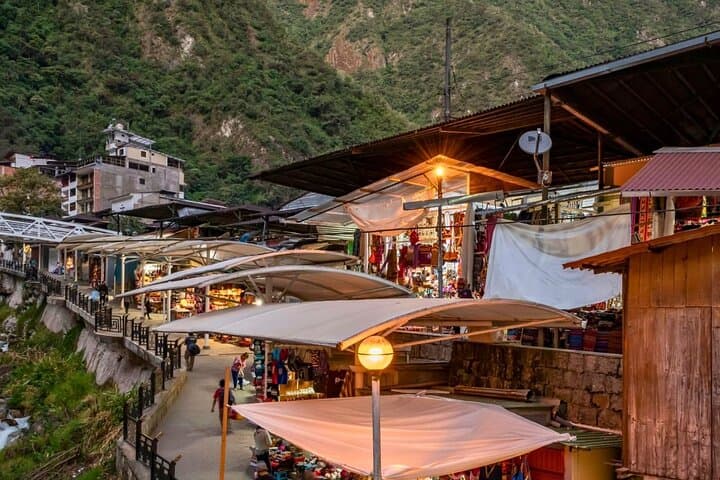
This route bypasses the busy rail corridor for a quieter, more gradual introduction to the Machu Picchu corridor. Geologically the area is a collision zone where uplifted granite and sedimentary layers give way to steep river-carved canyons and humid montane forest. Historically the Vilcanota (Urubamba) River was integral to Inca settlement patterns; many villages along the route preserve Quechua language and textile traditions still visible in Aguas Calientes’ market.
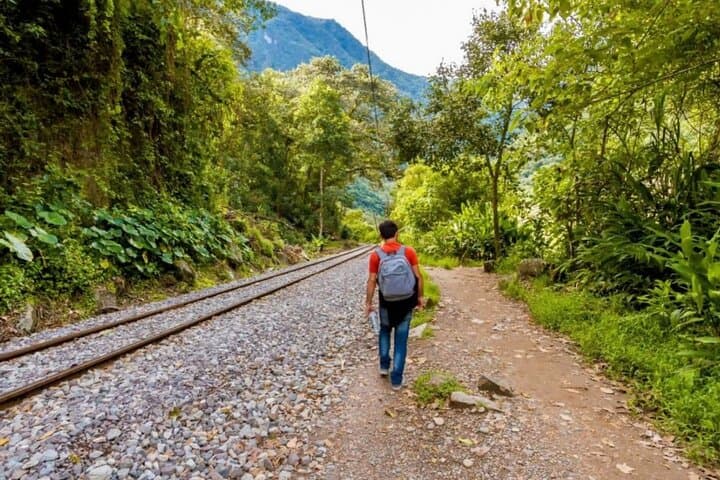
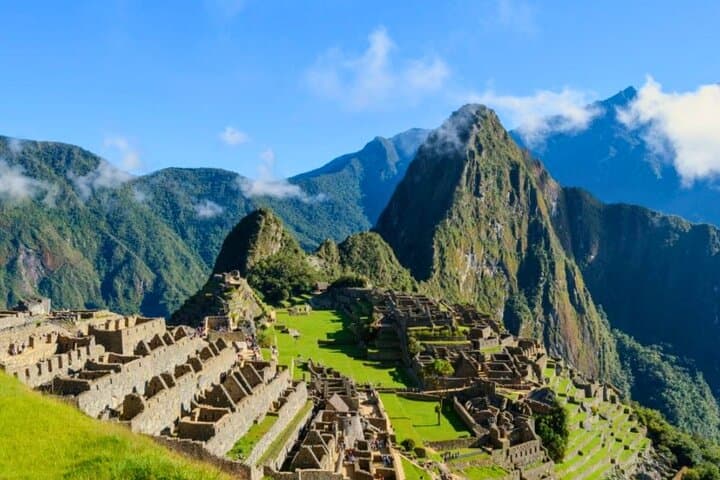
The experience balances time in a vehicle with a 10 km, mostly flat riverside hike along active tracks—2–3 hours of walking through humid cloud forest with abundant birdlife. Day two opens before sunrise at the citadel: a 2-hour guided tour of terraces, plazas, and temples followed by optional hikes to the Sun Gate or Huayna Picchu.
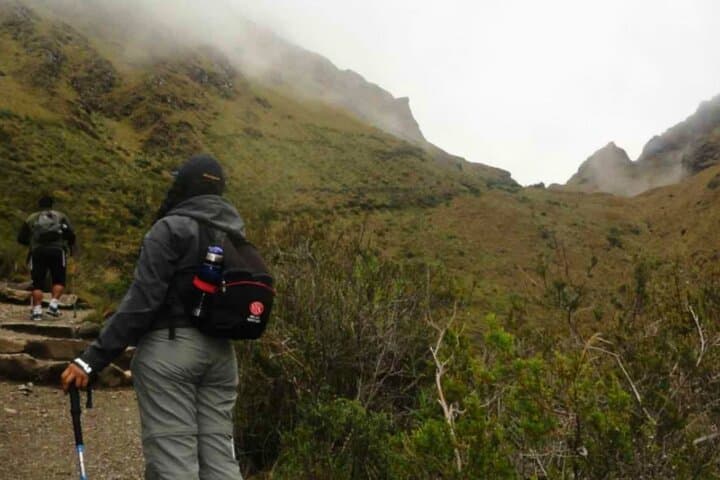
Practical notes: acclimatize in Cusco first, bring layered rain gear and sturdy trail shoes, and plan for basic comforts in Aguas Calientes (hot water, private rooms). Expect moderate fitness demands, muddy sections after rain, and limited mobile signal. Book official entrance and shuttle access in advance if you want specific time slots. This two-day route delivers cultural context, landscape transition, and the payoff of Machu Picchu without the train-route crowds.
moderate.
2 days (approx. 8–10 hours active time).
Good baseline fitness with comfort walking 10 km on uneven terrain and handling short steep sections at altitude
The path follows the railway and riverside; it’s mostly flat but can be slippery—stay alert around tracks and wear proper footwear.
Yes—official entrance tickets are included with many tours but confirm time slots; early morning entries are popular and limited.
Huayna Picchu requires a separate advance reservation and fee; ask your operator before travel to secure a slot.
Bring only a daypack for the hike; larger bags are typically transported by vehicle or left in Cusco or stored at Aguas Calientes hotels.
The Vilcanota valley was a transport and ritual corridor for the Inca; Machu Picchu itself dates to the 15th century and served religious and administrative functions.
Increased visitation pressures fragile cloud-forest; stick to trails, avoid single-use plastics, and respect regulated entry times to reduce impact.
Xplor Machu Picchu operates guided outdoor trips and adventures with an emphasis on safety, stewardship, and memorable experiences.
Dawn on the Andean road feels immediate—the engine hum, thin air, and a ribbon of asphalt that slides down from Cusco into cloud forest. Travelers begin high on the altiplano, then descend 1,300 meters through puna grasslands and terraces until the valley widens and the Vilcanota River asserts itself, pushing you toward Hidroeléctrica.
Dawn on the Andean road feels immediate—the engine hum, thin air, and a ribbon of asphalt that slides down from Cusco into cloud forest. Travelers begin high on the altiplano, then descend 1,300 meters through puna grasslands and terraces until the valley widens and the Vilcanota River asserts itself, pushing you toward Hidroeléctrica.
This route bypasses the busy rail corridor for a quieter, more gradual introduction to the Machu Picchu corridor. Geologically the area is a collision zone where uplifted granite and sedimentary layers give way to steep river-carved canyons and humid montane forest. Historically the Vilcanota (Urubamba) River was integral to Inca settlement patterns; many villages along the route preserve Quechua language and textile traditions still visible in Aguas Calientes’ market.
The experience balances time in a vehicle with a 10 km, mostly flat riverside hike along active tracks—2–3 hours of walking through humid cloud forest with abundant birdlife. Day two opens before sunrise at the citadel: a 2-hour guided tour of terraces, plazas, and temples followed by optional hikes to the Sun Gate or Huayna Picchu.
Practical notes: acclimatize in Cusco first, bring layered rain gear and sturdy trail shoes, and plan for basic comforts in Aguas Calientes (hot water, private rooms). Expect moderate fitness demands, muddy sections after rain, and limited mobile signal. Book official entrance and shuttle access in advance if you want specific time slots. This two-day route delivers cultural context, landscape transition, and the payoff of Machu Picchu without the train-route crowds.