THE ADVENTURE COLLECTIVE® · Independent discovery and booking for outdoor travel

Skip the Inca Trail and reach Machu Picchu by car and river-side hike: a 2-day trip over Abra Malaga, a riverside 11 km walk from the Hydroelectric station to Aguas Calientes, and an early-morning ascent to the citadel. Practical, scenic and doable for moderately fit travelers.
Skip the Inca Trail and reach Machu Picchu by car and river-side hike: a 2-day trip over Abra Malaga, a riverside 11 km walk from the Hydroelectric station to Aguas Calientes, and an early-morning ascent to the citadel. Practical, scenic and doable for moderately fit travelers.
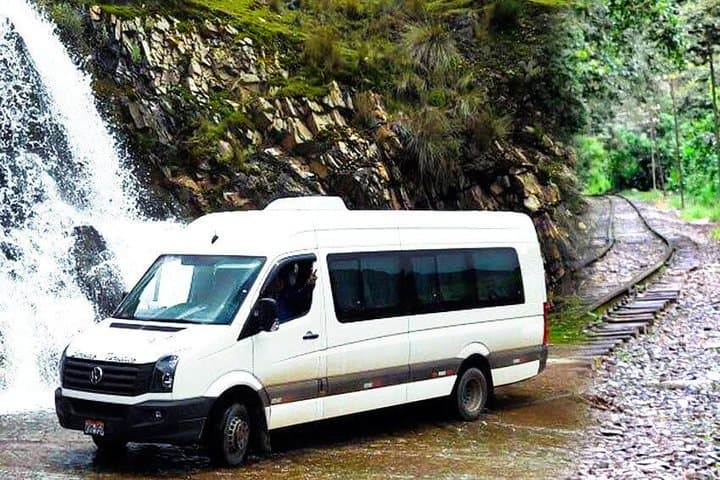
Dawn comes cold and close as the minivan winds up from the Sacred Valley, windows clearing onto serrated ridgelines and, if you’re lucky, a fringe of snow on distant peaks.
Verified experiences and guided adventures in the surrounding area.
Operated by Ukukus Travel*** · Aguas Calientes, Cusco Region
Dawn comes cold and close as the minivan winds up from the Sacred Valley, windows clearing onto serrated ridgelines and, if you’re lucky, a fringe of snow on distant peaks.
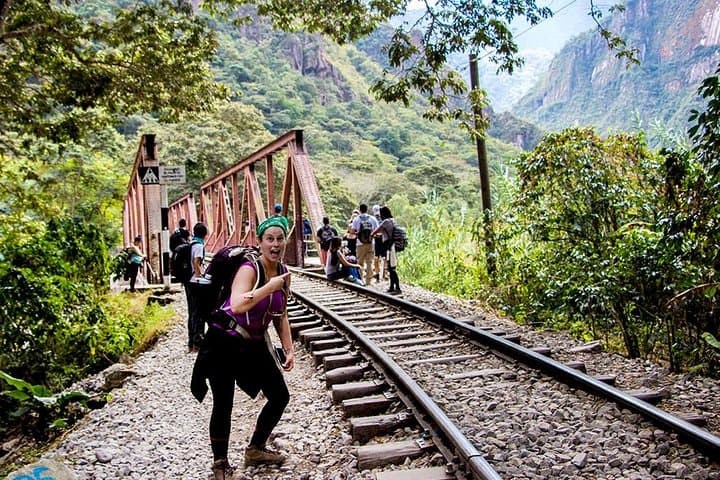
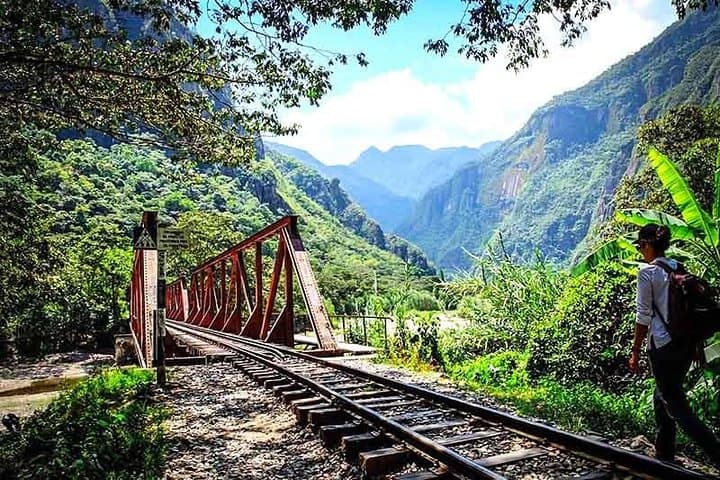
This two-day itinerary trades the Inca Trail for a road-and-rail approach: a long drive over Abra Malaga (4,320 m), a descent through highland communities to the Hydroelectric station, then an 11 km mostly-flat walk beside the Vilcanota River into Aguas Calientes. The town exists because of Machu Picchu; it’s a low-key hub of hostels, cafés and hot springs that prepare you for the next morning’s climb.
Geology here is dramatic—steep Andean schists cut into narrow canyons where subtropical humidity meets high-mountain chill. Culturally, the route threads Quechua villages, terraced fields and Inca road fragments; Hiram Bingham used similar tracks when he brought Machu Picchu to outside attention in 1911.
Plan practically: the hike from Hydroelectric takes about 2½–3 hours; the ascent from Aguas Calientes to Machu Picchu’s first checkpoint is roughly 1.5 hours and involves ~1,700 stone steps. Gates open early—groups often start pre-dawn to beat the buses and light. Optional add-ons inside the sanctuary include the Sun Gate, Inca Bridge, Huayna Picchu or Machu Picchu Mountain (special tickets required and sell out in high season).
Bring a waterproof layer, sturdy boots, water and ID for entry checks. Expect microclimate shifts—sweat on the river walk, a chill wind at the pass—and factor in time for train or bus options if you prefer less walking. With the right pacing, this route delivers both access and atmosphere to the citadel without the multi-day trek.
moderate.
2 days.
Moderate fitness required: able to walk 11 km on uneven trail and climb ~1,700 stairs; brief high-elevation exposure.
Yes—both require separate timed-entry permits in addition to general Machu Picchu admission; they often sell out weeks to months ahead in high season.
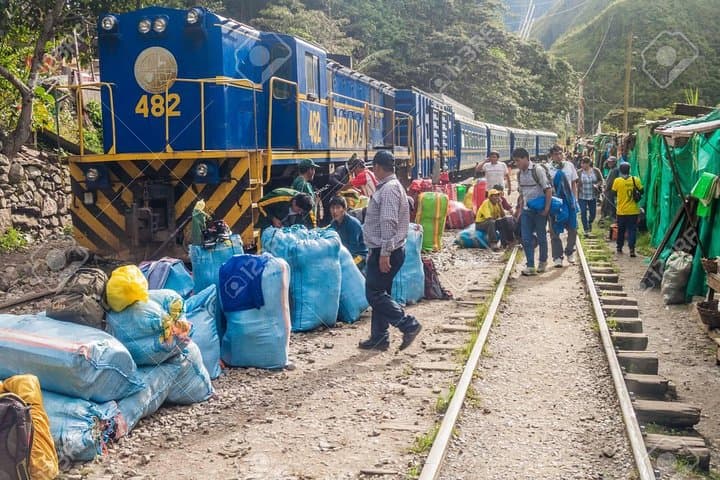
Yes, a private train from Hydroelectric to Aguas Calientes is available for an extra cost (around US$33 each way); most travelers hike the 11 km trail beside the tracks.
The itinerary is flexible, but the hike and stairs up to Machu Picchu are physically demanding; travelers with spinal, heart, or pregnancy concerns should avoid steep climbs and consult a doctor before booking.
The dry season (May–September) offers the clearest skies and best visibility, though April and October can also provide good weather with fewer crowds.
The route via Hydroelectric follows valleys used historically by local communities and mirrors paths early explorers used when Machu Picchu re-entered global awareness in the early 20th century.
Machupicchu Sanctuary limits visitor numbers and regulates trails—stick to designated paths, carry out trash and avoid single-use plastics to protect fragile cloudforest habitats.
Ukukus Travel*** operates guided outdoor trips and adventures with an emphasis on safety, stewardship, and memorable experiences.
Dawn comes cold and close as the minivan winds up from the Sacred Valley, windows clearing onto serrated ridgelines and, if you’re lucky, a fringe of snow on distant peaks.
Dawn comes cold and close as the minivan winds up from the Sacred Valley, windows clearing onto serrated ridgelines and, if you’re lucky, a fringe of snow on distant peaks.
This two-day itinerary trades the Inca Trail for a road-and-rail approach: a long drive over Abra Malaga (4,320 m), a descent through highland communities to the Hydroelectric station, then an 11 km mostly-flat walk beside the Vilcanota River into Aguas Calientes. The town exists because of Machu Picchu; it’s a low-key hub of hostels, cafés and hot springs that prepare you for the next morning’s climb.
Geology here is dramatic—steep Andean schists cut into narrow canyons where subtropical humidity meets high-mountain chill. Culturally, the route threads Quechua villages, terraced fields and Inca road fragments; Hiram Bingham used similar tracks when he brought Machu Picchu to outside attention in 1911.
Plan practically: the hike from Hydroelectric takes about 2½–3 hours; the ascent from Aguas Calientes to Machu Picchu’s first checkpoint is roughly 1.5 hours and involves ~1,700 stone steps. Gates open early—groups often start pre-dawn to beat the buses and light. Optional add-ons inside the sanctuary include the Sun Gate, Inca Bridge, Huayna Picchu or Machu Picchu Mountain (special tickets required and sell out in high season).
Bring a waterproof layer, sturdy boots, water and ID for entry checks. Expect microclimate shifts—sweat on the river walk, a chill wind at the pass—and factor in time for train or bus options if you prefer less walking. With the right pacing, this route delivers both access and atmosphere to the citadel without the multi-day trek.