THE ADVENTURE COLLECTIVE® · Independent discovery and booking for outdoor travel

A compact two-day journey from Cusco that pairs the Sacred Valley’s village markets and Inca outposts with a sunrise visit to Machu Picchu. Expect trains and buses, uneven stone paths, altitude considerations and a guided exploration of the citadel.
A compact two-day journey from Cusco that pairs the Sacred Valley’s village markets and Inca outposts with a sunrise visit to Machu Picchu. Expect trains and buses, uneven stone paths, altitude considerations and a guided exploration of the citadel.
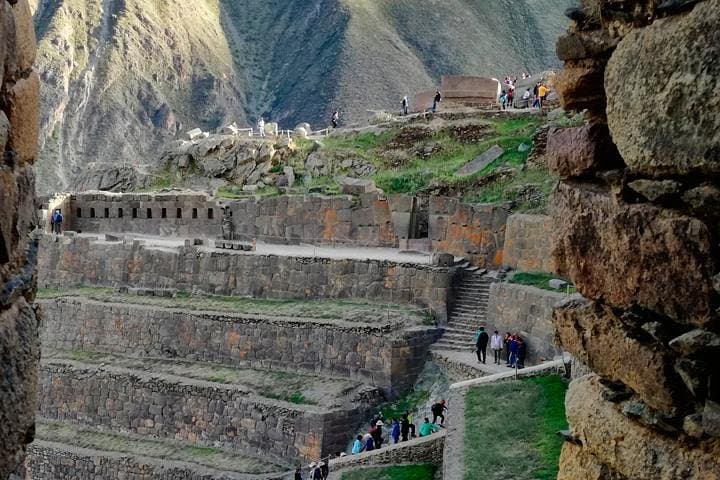
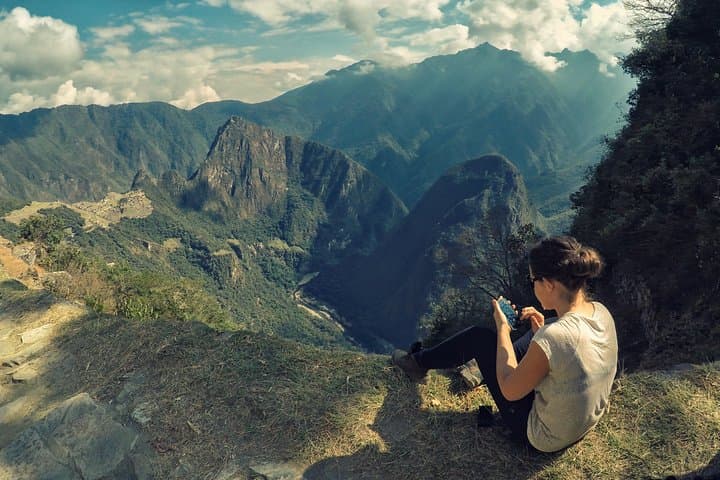
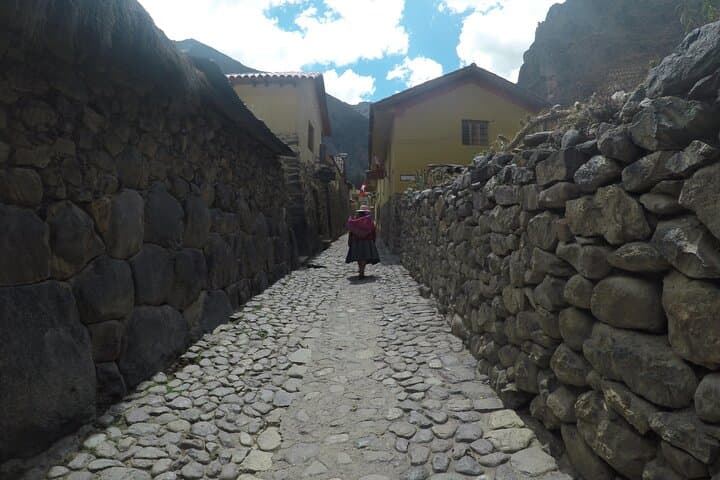
Morning mist lifts off the terraces as the train threads the Urubamba Valley and deposits travelers into towns that still move at Inca pace. On day one, the route winds through Urubamba, Pisac and Calca—market towns with sun-washed plazas and stone stairways—before an overnight in Aguas Calientes. The next day brings the dramatic arrival at Machu Picchu, where stepped agriculture meets ritual plazas on a narrow ridge above the Urubamba River.
Verified experiences and guided adventures in the surrounding area.
Operated by DASPE TRAVEL · Aguas Calientes, Cusco
Morning mist lifts off the terraces as the train threads the Urubamba Valley and deposits travelers into towns that still move at Inca pace. On day one, the route winds through Urubamba, Pisac and Calca—market towns with sun-washed plazas and stone stairways—before an overnight in Aguas Calientes. The next day brings the dramatic arrival at Machu Picchu, where stepped agriculture meets ritual plazas on a narrow ridge above the Urubamba River.
Geology here is visible: steep, glacially sculpted valleys and fractured Andean bedrock shaped the corridor the Incas transformed into productive farmland. Archaeological remains at Machu Picchu show precise ashlar masonry and a layout that separates ceremonial, urban and agricultural sectors. Local culture remains tactile: Pisac and Calca host textile and pottery markets under centennial trees, and small, often overlooked sites like the Palacio de Huayna Capac testify to regional history.
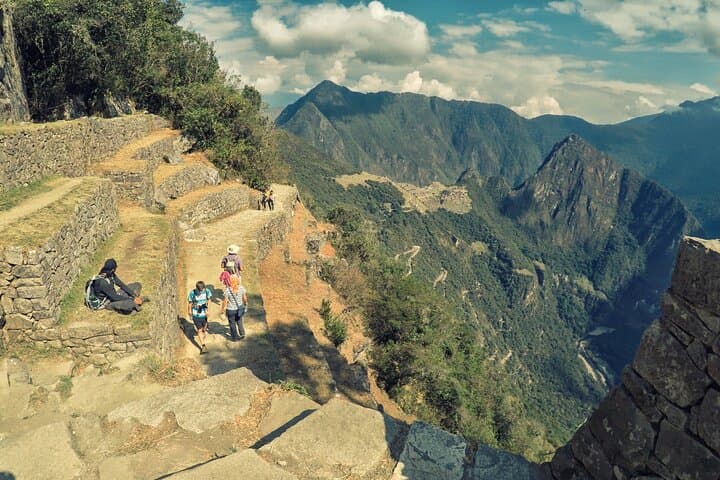
Practically, the two-day itinerary combines road, rail and bus transfers, a modest overnight in Aguas Calientes, and a guided visit of the citadel the following morning. Expect uneven stone paths, dozens of steep steps and altitude differences—Cusco sits around 3,400 m. Guided time at Machu Picchu typically runs a few hours, enough for key vantage points and context but not for long explorations.
Prepare with sturdy footwear, layered clothing for rapid temperature swings, waterproofs in the rainy season, and a measured pacing plan for altitude. Carry your passport for site entry, respect marked routes to protect fragile archaeology, and leave time to browse the regional markets if your schedule allows.
moderate.
2 days.
Moderate fitness: able to walk several hours on uneven terrain and manage stair climbs; prior short hikes helpful for acclimatization.
This tour includes Machu Picchu admission as part of the guided visit on day two; bring your passport for ticket verification.
Allow time to acclimatize in Cusco, stay hydrated, avoid heavy meals and alcohol before exertion, and consider consulting a physician about acetazolamide if prone to severe symptoms.
The itinerary combines road transfers in the Sacred Valley, a scenic train to Aguas Calientes and a short bus ride to Machu Picchu from the town.
Visit during shoulder months (March–May or September–November) and aim for the earliest Machu Picchu entry times to avoid peak crowds during dry-season mid-day.
The Sacred Valley was a strategic agricultural and ceremonial corridor for the Inca; Machu Picchu is often dated to the 15th century and illustrates Inca urban and agricultural planning.
Machu Picchu is a protected UNESCO site with visitor rules and time-limited entries; follow marked routes, pack out waste and support local guides to minimize impact.
DASPE TRAVEL operates guided outdoor trips and adventures with an emphasis on safety, stewardship, and memorable experiences.
Morning mist lifts off the terraces as the train threads the Urubamba Valley and deposits travelers into towns that still move at Inca pace. On day one, the route winds through Urubamba, Pisac and Calca—market towns with sun-washed plazas and stone stairways—before an overnight in Aguas Calientes. The next day brings the dramatic arrival at Machu Picchu, where stepped agriculture meets ritual plazas on a narrow ridge above the Urubamba River.
Morning mist lifts off the terraces as the train threads the Urubamba Valley and deposits travelers into towns that still move at Inca pace. On day one, the route winds through Urubamba, Pisac and Calca—market towns with sun-washed plazas and stone stairways—before an overnight in Aguas Calientes. The next day brings the dramatic arrival at Machu Picchu, where stepped agriculture meets ritual plazas on a narrow ridge above the Urubamba River.
Geology here is visible: steep, glacially sculpted valleys and fractured Andean bedrock shaped the corridor the Incas transformed into productive farmland. Archaeological remains at Machu Picchu show precise ashlar masonry and a layout that separates ceremonial, urban and agricultural sectors. Local culture remains tactile: Pisac and Calca host textile and pottery markets under centennial trees, and small, often overlooked sites like the Palacio de Huayna Capac testify to regional history.
Practically, the two-day itinerary combines road, rail and bus transfers, a modest overnight in Aguas Calientes, and a guided visit of the citadel the following morning. Expect uneven stone paths, dozens of steep steps and altitude differences—Cusco sits around 3,400 m. Guided time at Machu Picchu typically runs a few hours, enough for key vantage points and context but not for long explorations.
Prepare with sturdy footwear, layered clothing for rapid temperature swings, waterproofs in the rainy season, and a measured pacing plan for altitude. Carry your passport for site entry, respect marked routes to protect fragile archaeology, and leave time to browse the regional markets if your schedule allows.