THE ADVENTURE COLLECTIVE® · Independent discovery and booking for outdoor travel

A compact 2-day itinerary that pairs Sacred Valley highlights with a guided visit to Machu Picchu. Expect market towns, Inca terraces, a scenic train ride, and a focused tour of the ruins with time to explore on your own.
A compact 2-day itinerary that pairs Sacred Valley highlights with a guided visit to Machu Picchu. Expect market towns, Inca terraces, a scenic train ride, and a focused tour of the ruins with time to explore on your own.
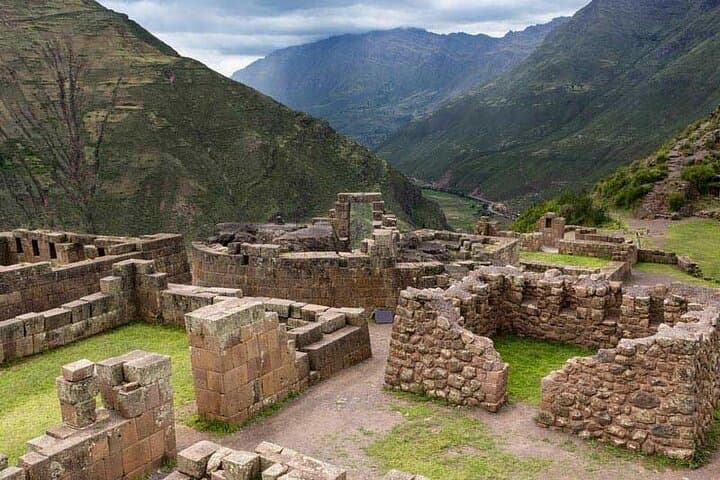
You step out before sunrise in Cusco; the city’s stone streets still cool underfoot as the minibus pulls away toward the high valley. The Vilcanota River threads the landscape below, daring you with shimmering turns as the Andes rise and the air becomes thinner and clearer. Day one unfolds through market towns and terraces: Pisac’s artisan stalls, the layered agricultural benches of the valley, and the living fortress of Ollantaytambo, where massive Inca stones catch the late light.
Verified experiences and guided adventures in the surrounding area.
Operated by Howlanders · Aguas Calientes, Cusco
You step out before sunrise in Cusco; the city’s stone streets still cool underfoot as the minibus pulls away toward the high valley. The Vilcanota River threads the landscape below, daring you with shimmering turns as the Andes rise and the air becomes thinner and clearer. Day one unfolds through market towns and terraces: Pisac’s artisan stalls, the layered agricultural benches of the valley, and the living fortress of Ollantaytambo, where massive Inca stones catch the late light.
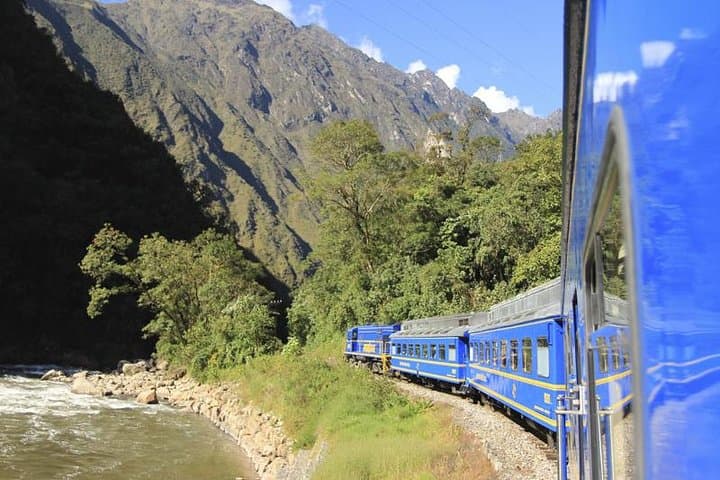
The route is a span of Inca history and Andean geology—folded volcanic slopes, glacial-polished peaks, and river-cut canyon that feeds the jungle below. You’ll feel the cultural pulse in village plazas and hear Quechua names spoken by guides who trace stories of agricultural rites, Spanish colonial influence, and strategic Inca engineering. The train to Aguas Calientes follows the river into a warmer, cloud-forested corridor; the landscape softens, humidity rises, and orchids hang like punctuation in the green.
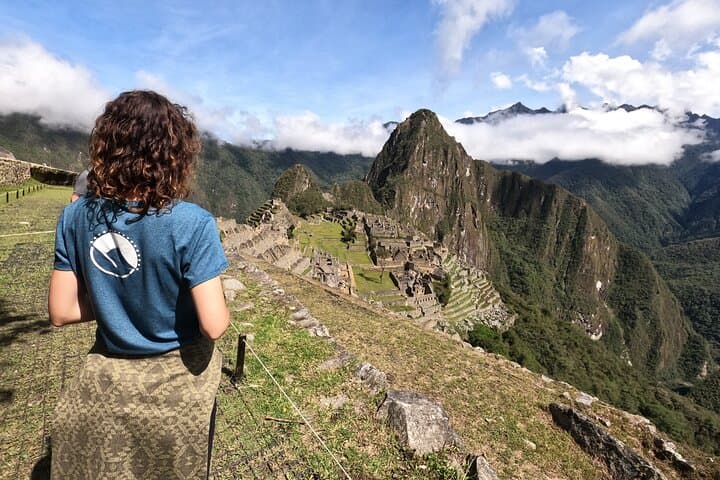
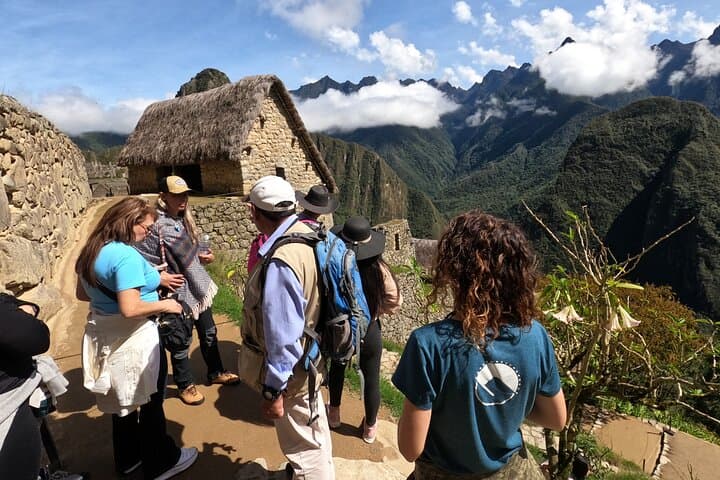
On day two, a focused guided circuit in Machu Picchu covers terraces, temples, and the Intihuatana viewpoints within the regulated visitor routes. Practical notes: altitude affects pace—walk deliberately on stairs and cobbled paths; bring a passport for entrance checks and keep a light waterproof layer for sudden showers. The itinerary balances guided interpretation with free time for photos or a short additional hike. This two-day program moves efficiently without rushing: you’ll trade one night in Aguas Calientes and a morning among the ruins for an experience that pairs archaeological insight with the raw, shifting moods of the Andes.
moderate.
2 days.
Basic to moderate fitness; able to walk up to 3 hours with stairs and uneven terrain while coping with moderate altitude.
Some booking options include the Machu Picchu ticket; confirm your selected option on your reservation and check your pre-tour briefing for ticket details.
Yes—Cusco sits around 3,400 m; plan 24–48 hours in the city and avoid heavy exertion beforehand to reduce altitude effects.
The guided portion covers up to two hours on established circuits with stairs and uneven surfaces; additional free time may include short explorations.
Families can join but should consider altitude, illness risk, and the physical demands of walking on steps and slopes; check age restrictions with the operator.
The Sacred Valley was a core agricultural and ceremonial region for the Inca, with engineered terraces and strategic fortresses like Ollantaytambo controlling river corridors.
Visitor movement is regulated in Machu Picchu to protect fragile archaeological features and native vegetation; follow marked routes and avoid single-use plastics where possible.
Howlanders operates guided outdoor trips and adventures with an emphasis on safety, stewardship, and memorable experiences.
You step out before sunrise in Cusco; the city’s stone streets still cool underfoot as the minibus pulls away toward the high valley. The Vilcanota River threads the landscape below, daring you with shimmering turns as the Andes rise and the air becomes thinner and clearer. Day one unfolds through market towns and terraces: Pisac’s artisan stalls, the layered agricultural benches of the valley, and the living fortress of Ollantaytambo, where massive Inca stones catch the late light.
You step out before sunrise in Cusco; the city’s stone streets still cool underfoot as the minibus pulls away toward the high valley. The Vilcanota River threads the landscape below, daring you with shimmering turns as the Andes rise and the air becomes thinner and clearer. Day one unfolds through market towns and terraces: Pisac’s artisan stalls, the layered agricultural benches of the valley, and the living fortress of Ollantaytambo, where massive Inca stones catch the late light.
The route is a span of Inca history and Andean geology—folded volcanic slopes, glacial-polished peaks, and river-cut canyon that feeds the jungle below. You’ll feel the cultural pulse in village plazas and hear Quechua names spoken by guides who trace stories of agricultural rites, Spanish colonial influence, and strategic Inca engineering. The train to Aguas Calientes follows the river into a warmer, cloud-forested corridor; the landscape softens, humidity rises, and orchids hang like punctuation in the green.
On day two, a focused guided circuit in Machu Picchu covers terraces, temples, and the Intihuatana viewpoints within the regulated visitor routes. Practical notes: altitude affects pace—walk deliberately on stairs and cobbled paths; bring a passport for entrance checks and keep a light waterproof layer for sudden showers. The itinerary balances guided interpretation with free time for photos or a short additional hike. This two-day program moves efficiently without rushing: you’ll trade one night in Aguas Calientes and a morning among the ruins for an experience that pairs archaeological insight with the raw, shifting moods of the Andes.