THE ADVENTURE COLLECTIVE® · Independent discovery and booking for outdoor travel

This five-day journey from Cusco links the Sacred Valley, Vinicunca’s high ridges and a guided visit to Machu Picchu. Expect high-altitude walks, Inca archaeology, dynamic weather and practical logistics like trains and bus climbs.
This five-day journey from Cusco links the Sacred Valley, Vinicunca’s high ridges and a guided visit to Machu Picchu. Expect high-altitude walks, Inca archaeology, dynamic weather and practical logistics like trains and bus climbs.
You step off the bus into thin, cool air and the stonework seems to watch you back—this is the Cusco region where two worlds meet: living Andean towns and the high, carved remnants of an empire.
Verified experiences and guided adventures in the surrounding area.
Operated by Danzak Peru Travel · Cusco, Cusco
You step off the bus into thin, cool air and the stonework seems to watch you back—this is the Cusco region where two worlds meet: living Andean towns and the high, carved remnants of an empire.
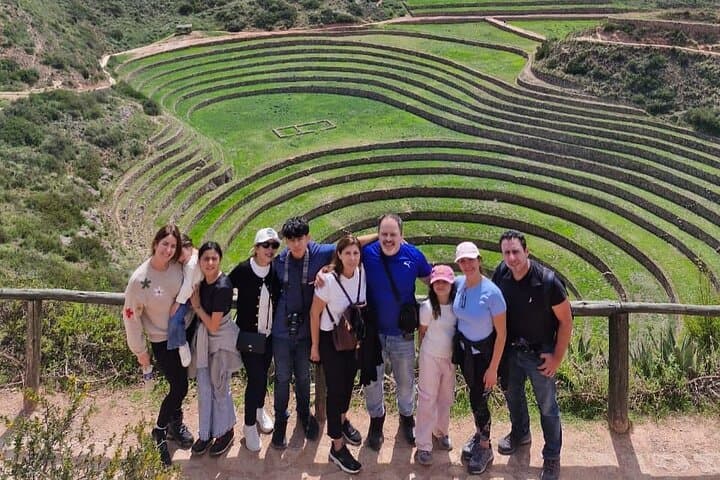
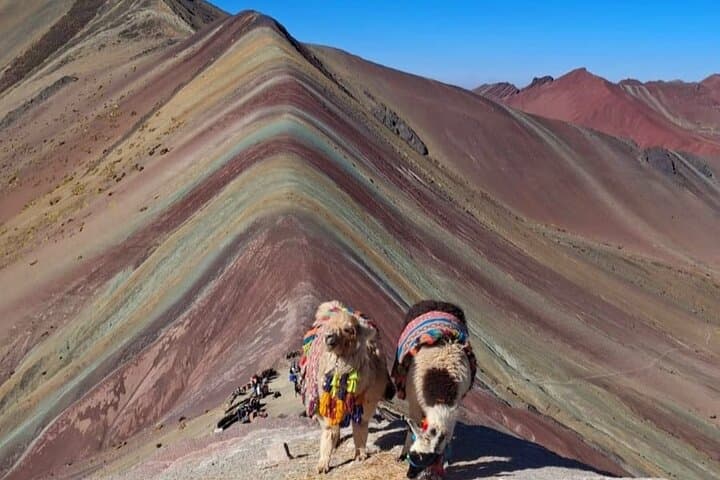
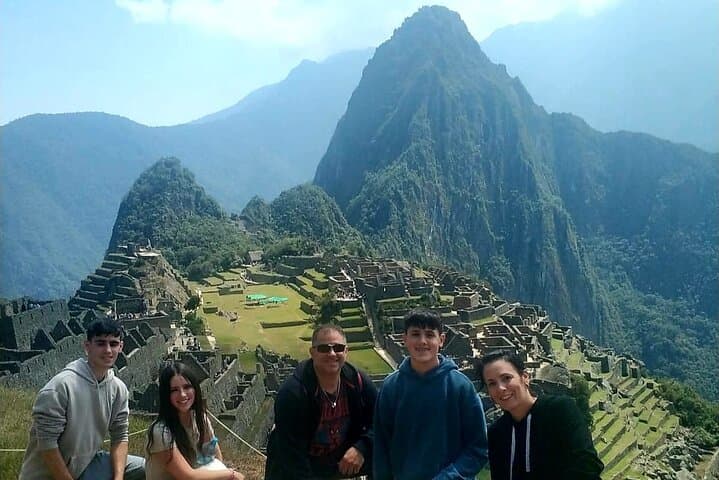
Over five days the itinerary threads through the Sacred Valley’s sun-bleached terraces at Pisac and the living fortress of Ollantaytambo, climbs past the concentric agricultural experiments at Moray and the salt pans at Maras, then tests your lungs at Vinicunca’s rainbow slopes (≈5,200 m). The finale is Machu Picchu itself—at about 2,430 m the citadel rewards the climb with sweeping ridgelines and precisely cut stone that reveal Inca engineering and cosmology.
Geology here is dramatic: young, steep Andes folded by tectonic forces, with weathered granites and volcanic sediments shaping narrow valleys and fast rivers that seem to dare you to follow them. Cultural threads are as visible as terraces—local weaving in Chinchero, market artisans in Pisac, and centuries-old Quechua traditions that still guide planting and ceremony.
Practical guidance: plan for altitude—allow at least a day in Cusco to acclimatize and carry water and electrolytes. Train travel from Ollantaytambo to Aguas Calientes is the usual rail link (about 1.5–2 hours); from there a short bus delivers you to Machu Picchu’s entry. Expect uneven stone steps and steep sections: sturdy boots, layered clothing, and a rain shell are essential year-round. Be ready for early starts, bright midday sun, and sudden showers—packing for variability keeps the focus on the view, not the weather.
moderate.
5 days.
Moderate fitness; able to walk several hours a day with elevation gain and manage stair-steep ruins.
The packaged itinerary runs five days (4 nights), combining the Sacred Valley, Vinicunca and a full-day visit to Machu Picchu.
A moderate level of fitness is required—expect several hours of walking on uneven, steep stone surfaces and a high-altitude day to 5,200 m at Vinicunca.
Yes: the standard route uses the Ollantaytambo-to-Aguas Calientes train, followed by a short bus to the Machu Picchu entrance.
A valid passport is required for entry and ticket collection; provide passport data at booking as requested by the operator.
The route follows Inca economic and ceremonial centers; terraces, storehouses and stonework reflect agricultural and astronomical planning from pre-Columbian times.
High foot traffic and weather stress threaten fragile archaeology and alpine grasses—stick to marked paths, avoid single-use plastics and follow guide instructions to minimize impact.
Danzak Peru Travel operates guided outdoor trips and adventures with an emphasis on safety, stewardship, and memorable experiences.
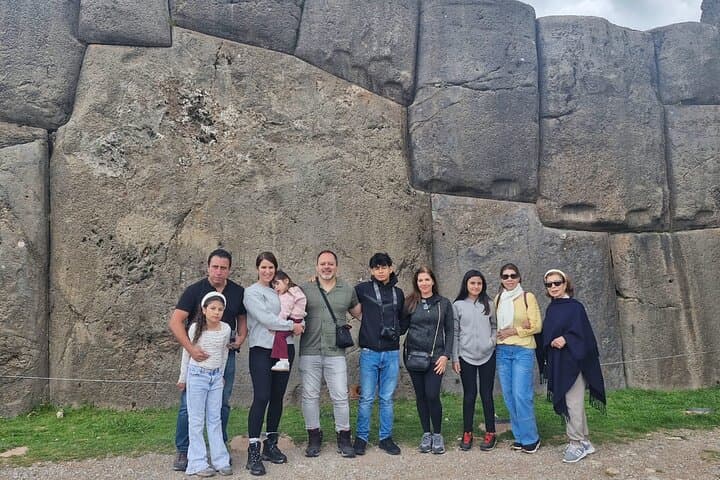
You step off the bus into thin, cool air and the stonework seems to watch you back—this is the Cusco region where two worlds meet: living Andean towns and the high, carved remnants of an empire.
You step off the bus into thin, cool air and the stonework seems to watch you back—this is the Cusco region where two worlds meet: living Andean towns and the high, carved remnants of an empire.
Over five days the itinerary threads through the Sacred Valley’s sun-bleached terraces at Pisac and the living fortress of Ollantaytambo, climbs past the concentric agricultural experiments at Moray and the salt pans at Maras, then tests your lungs at Vinicunca’s rainbow slopes (≈5,200 m). The finale is Machu Picchu itself—at about 2,430 m the citadel rewards the climb with sweeping ridgelines and precisely cut stone that reveal Inca engineering and cosmology.
Geology here is dramatic: young, steep Andes folded by tectonic forces, with weathered granites and volcanic sediments shaping narrow valleys and fast rivers that seem to dare you to follow them. Cultural threads are as visible as terraces—local weaving in Chinchero, market artisans in Pisac, and centuries-old Quechua traditions that still guide planting and ceremony.
Practical guidance: plan for altitude—allow at least a day in Cusco to acclimatize and carry water and electrolytes. Train travel from Ollantaytambo to Aguas Calientes is the usual rail link (about 1.5–2 hours); from there a short bus delivers you to Machu Picchu’s entry. Expect uneven stone steps and steep sections: sturdy boots, layered clothing, and a rain shell are essential year-round. Be ready for early starts, bright midday sun, and sudden showers—packing for variability keeps the focus on the view, not the weather.