THE ADVENTURE COLLECTIVE® · Independent discovery and booking for outdoor travel

Hike the classic 4-day Inca Trail to Machu Picchu and arrive at the Sun Gate at sunrise. This fully supported trek covers ancient stone paths, cloud forest, and a high mountain pass—permit-limited and best with pre-acclimatization.
Hike the classic 4-day Inca Trail to Machu Picchu and arrive at the Sun Gate at sunrise. This fully supported trek covers ancient stone paths, cloud forest, and a high mountain pass—permit-limited and best with pre-acclimatization.
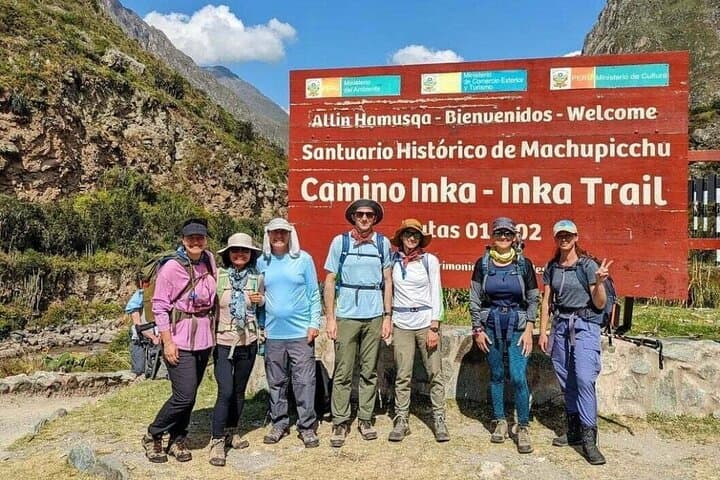
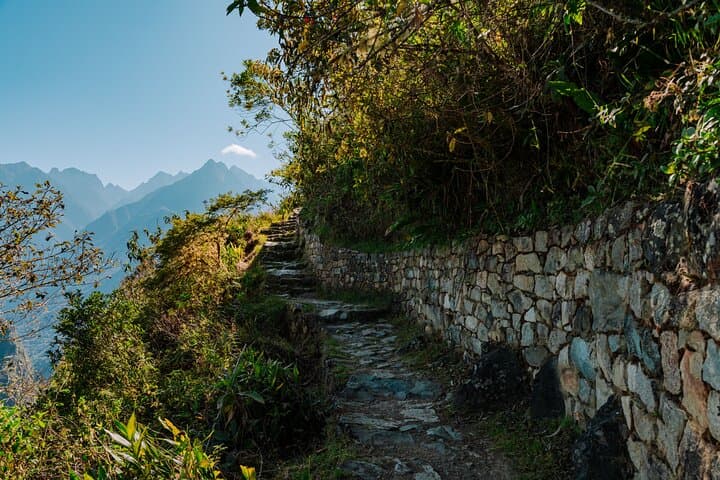
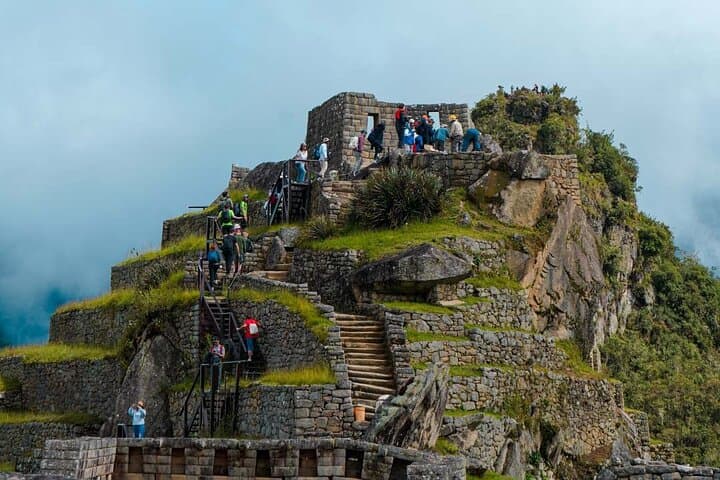
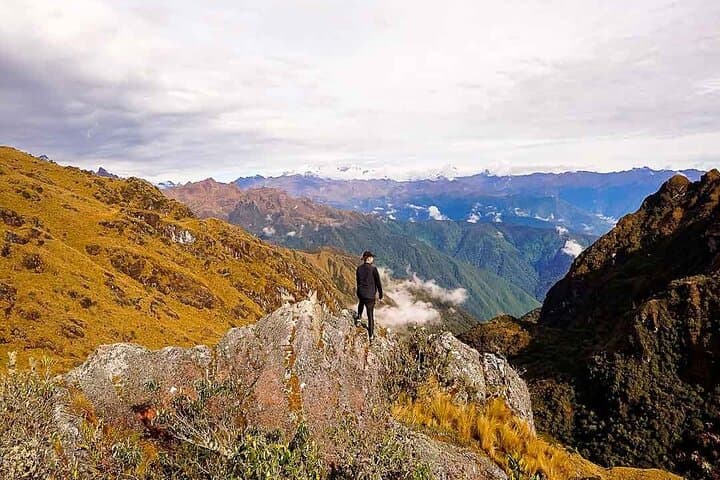
Dawn compresses the Andes into a ribbon of cool light as trekkers shoulder packs at Km 82 and step onto the original Inca stoneway. The trail climbs through cloud forest, opens onto high puna with wind that seems to push you forward, and narrows into staircases hewn by hand centuries ago. On the final morning the Sun Gate frames Machu Picchu—rows of terraces and houses layered beneath a rising mist—rewarding four days of steady gain and quiet concentration.
Verified experiences and guided adventures in the surrounding area.
Operated by Peru Trekkers · Aguas Calientes, Cusco Region
Dawn compresses the Andes into a ribbon of cool light as trekkers shoulder packs at Km 82 and step onto the original Inca stoneway. The trail climbs through cloud forest, opens onto high puna with wind that seems to push you forward, and narrows into staircases hewn by hand centuries ago. On the final morning the Sun Gate frames Machu Picchu—rows of terraces and houses layered beneath a rising mist—rewarding four days of steady gain and quiet concentration.
This route follows the engineered spine of the Inca Empire: cut stone stairways, agricultural terraces, and shrines placed for sightlines and water management. Geology shifts from volcanic Andean peaks to softer sedimentary slopes that support the cloud forest’s biodiversity; culturally, the trail threads past sites like Llactapata and Wiñay Wayna where guides interpret Inca engineering and ritual landscapes.
Practically, expect about 42 km of hiking over four days with a maximum pass at ~4,216 m (13,828 ft). Trails alternate packed dirt, original stonework, and steep stone steps—good footwear and trekking poles matter. Guided groups use campsites each night; porters carry heavy gear while you pack a 7 kg personal bag. Acclimatize in Cusco for 48–72 hours beforehand, hydrate diligently, and plan for sun and cold in the same day. The final approach at sunrise is best timed early—arrive at the Sun Gate before the crowds to see Machu Picchu open beneath you. Respect permit limits: the Inca Trail is regulated to protect fragile archaeology and ecosystem health.
challenging.
4 days (approx. 42 km of trekking).
Good aerobic fitness with prior multi-day hiking experience recommended; able to handle sustained uphill days at altitude.
Yes—permits are limited and tied to guided groups. Book months in advance; entry is only allowed with licensed operators.
Day two reaches ~4,216 m and is the toughest: expect 5–7 hours of steep climbing; pace yourself and hydrate frequently.
Campsites have basic toilet facilities (often pit latrines); showers are not available on trail—hot showers usually await in Aguas Calientes or at your post-trek hotel.
No—the route and altitude make it unsuitable for pregnant travelers and those with significant cardiovascular conditions.
The Inca Trail was part of a vast road system connecting Cusco to sacred sites; many stone segments date to the 15th century and show advanced drainage and masonry.
Trail access is strictly limited to protect archaeological sites and cloud-forest; follow leave-no-trace rules, use designated camps, and avoid feeding wildlife.
Peru Trekkers operates guided outdoor trips and adventures with an emphasis on safety, stewardship, and memorable experiences.
Dawn compresses the Andes into a ribbon of cool light as trekkers shoulder packs at Km 82 and step onto the original Inca stoneway. The trail climbs through cloud forest, opens onto high puna with wind that seems to push you forward, and narrows into staircases hewn by hand centuries ago. On the final morning the Sun Gate frames Machu Picchu—rows of terraces and houses layered beneath a rising mist—rewarding four days of steady gain and quiet concentration.
Dawn compresses the Andes into a ribbon of cool light as trekkers shoulder packs at Km 82 and step onto the original Inca stoneway. The trail climbs through cloud forest, opens onto high puna with wind that seems to push you forward, and narrows into staircases hewn by hand centuries ago. On the final morning the Sun Gate frames Machu Picchu—rows of terraces and houses layered beneath a rising mist—rewarding four days of steady gain and quiet concentration.
This route follows the engineered spine of the Inca Empire: cut stone stairways, agricultural terraces, and shrines placed for sightlines and water management. Geology shifts from volcanic Andean peaks to softer sedimentary slopes that support the cloud forest’s biodiversity; culturally, the trail threads past sites like Llactapata and Wiñay Wayna where guides interpret Inca engineering and ritual landscapes.
Practically, expect about 42 km of hiking over four days with a maximum pass at ~4,216 m (13,828 ft). Trails alternate packed dirt, original stonework, and steep stone steps—good footwear and trekking poles matter. Guided groups use campsites each night; porters carry heavy gear while you pack a 7 kg personal bag. Acclimatize in Cusco for 48–72 hours beforehand, hydrate diligently, and plan for sun and cold in the same day. The final approach at sunrise is best timed early—arrive at the Sun Gate before the crowds to see Machu Picchu open beneath you. Respect permit limits: the Inca Trail is regulated to protect fragile archaeology and ecosystem health.