THE ADVENTURE COLLECTIVE® · Independent discovery and booking for outdoor travel

Take the economical bus-and-walk route from Cusco through Hidroeléctrica to Aguas Calientes, overnighting near the sanctuary before an early climb to Machu Picchu. This two-day plan balances economy with on-foot access, offering close-up cloud-forest approaches and a guided exploration of the citadel.
Take the economical bus-and-walk route from Cusco through Hidroeléctrica to Aguas Calientes, overnighting near the sanctuary before an early climb to Machu Picchu. This two-day plan balances economy with on-foot access, offering close-up cloud-forest approaches and a guided exploration of the citadel.
Before dawn, the bus eases out of Cusco and the Andes fold around you like hands steering you toward the Urubamba Valley. The road to Hidroeléctrica runs alongside a river that seems to push you forward, and the walk along the rail line toward Aguas Calientes gives you the first raw view of cloud forest pressing against steep, green walls.
Verified experiences and guided adventures in the surrounding area.
Operated by IZI PERU · Aguas Calientes, Cusco
Before dawn, the bus eases out of Cusco and the Andes fold around you like hands steering you toward the Urubamba Valley. The road to Hidroeléctrica runs alongside a river that seems to push you forward, and the walk along the rail line toward Aguas Calientes gives you the first raw view of cloud forest pressing against steep, green walls.
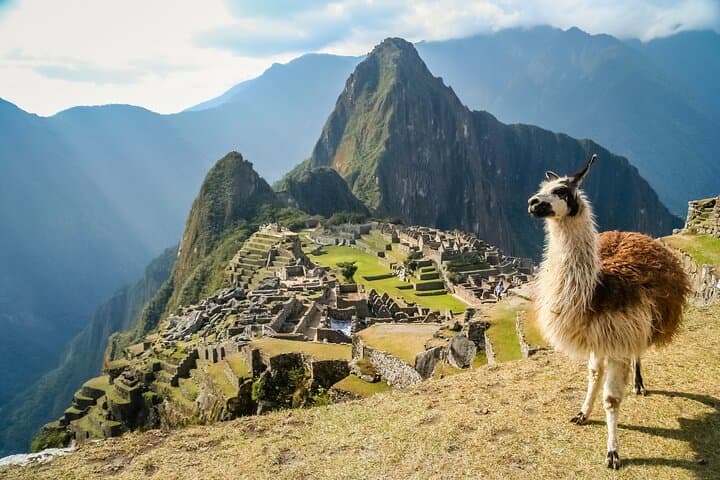
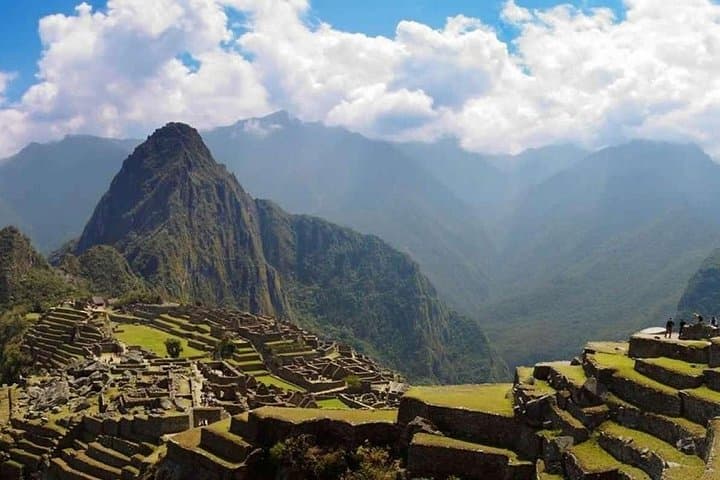
Machu Picchu sits on granite ridges carved by tectonic uplift and river incision; the Inca chose this bench above the Urubamba for defensive sightlines and agricultural terraces that masterfully moderate microclimates. Aguas Calientes (Machu Picchu Pueblo) grew to service visitors; its hot springs and market signal a modern, service-oriented counterpoint to the centric, sacred citadel.
Your second morning starts early — either lining for the bus or walking the steep path into the sanctuary — and the guide-led circuit explains masonry, water channels, and the citadel’s division between ritual and residential areas. Geology is visible in the weathered granite; culture is present in the stonework’s precision and in local Quechua traditions still carried in the valley.
Practical guidance: book entrance tickets in advance; circuits and guides are limited. Acclimatize in Cusco for at least 24–48 hours to reduce altitude effects. Expect steep sections and many stone steps; good hiking shoes and layered rain protection matter more than luxury. If you choose the Hidroeléctrica walk, plan for 2–3 hours along mostly flat rail track with occasional wet sections. Trains and buses are available but can fill; factor extra time for queues and ticket lines.
challenging.
2 days (approx. 48 hours).
Good cardiovascular fitness and stair-climbing ability; ability to hike 2–3 hours at altitude with a daypack.
Entrance to Machu Picchu Citadel is included; bus tickets to/from the citadel are not included—purchase bus tickets in Aguas Calientes the night before or walk the 1–1.5 hour path.
The mostly flat rail-side walk is approximately 2–3 hours from Hidroeléctrica to Aguas Calientes, depending on pace and stops.
A guide is included for Circuit #2 when available; if that circuit isn’t available you can hire a local guide on-site—guided tours improve historical context and route efficiency.
If online tickets are unavailable you must try to buy them at the Aguas Calientes ticket office the day before; limited availability can require an extra night or an alternative return by train.
Machu Picchu was built in the 15th century under the Inca and later abandoned during the Spanish conquest era; rediscovered by Hiram Bingham in 1911, it remains a key archaeological site of Inca engineering and agriculture.
Visitor numbers are controlled through timed tickets and circuits to reduce erosion and crowding; follow marked paths and avoid feeding wildlife to limit impact.
IZI PERU operates guided outdoor trips and adventures with an emphasis on safety, stewardship, and memorable experiences.
Before dawn, the bus eases out of Cusco and the Andes fold around you like hands steering you toward the Urubamba Valley. The road to Hidroeléctrica runs alongside a river that seems to push you forward, and the walk along the rail line toward Aguas Calientes gives you the first raw view of cloud forest pressing against steep, green walls.
Before dawn, the bus eases out of Cusco and the Andes fold around you like hands steering you toward the Urubamba Valley. The road to Hidroeléctrica runs alongside a river that seems to push you forward, and the walk along the rail line toward Aguas Calientes gives you the first raw view of cloud forest pressing against steep, green walls.
Machu Picchu sits on granite ridges carved by tectonic uplift and river incision; the Inca chose this bench above the Urubamba for defensive sightlines and agricultural terraces that masterfully moderate microclimates. Aguas Calientes (Machu Picchu Pueblo) grew to service visitors; its hot springs and market signal a modern, service-oriented counterpoint to the centric, sacred citadel.
Your second morning starts early — either lining for the bus or walking the steep path into the sanctuary — and the guide-led circuit explains masonry, water channels, and the citadel’s division between ritual and residential areas. Geology is visible in the weathered granite; culture is present in the stonework’s precision and in local Quechua traditions still carried in the valley.
Practical guidance: book entrance tickets in advance; circuits and guides are limited. Acclimatize in Cusco for at least 24–48 hours to reduce altitude effects. Expect steep sections and many stone steps; good hiking shoes and layered rain protection matter more than luxury. If you choose the Hidroeléctrica walk, plan for 2–3 hours along mostly flat rail track with occasional wet sections. Trains and buses are available but can fill; factor extra time for queues and ticket lines.