THE ADVENTURE COLLECTIVE® · Independent discovery and booking for outdoor travel

A 7-day, non-technical ascent that trades steep single-day gains for better acclimatization and higher success rates. This guide breaks down what to expect—terrain, itinerary, and the practical gear and pacing tips that make the Machame Route achievable.
A 7-day, non-technical ascent that trades steep single-day gains for better acclimatization and higher success rates. This guide breaks down what to expect—terrain, itinerary, and the practical gear and pacing tips that make the Machame Route achievable.
The trail opens in rainforest—wet leaves and sunlight fighting through moss-heavy trees—before climbing into a world that seems to change altitude faster than your lungs. On the Machame Route you spend six days moving upslope through distinct bands of vegetation: dense montane forest, heather and moorland, the stony alpine desert, and finally the knife-edge cold of the summit zone. When you stand at Uhuru Peak, the air is thin enough to feel like someone has turned down the volume on the planet.
Verified experiences and guided adventures in the surrounding area.
Operated by Migration Venture Africa Ltd · Moshi, Kilimanjaro Region
The trail opens in rainforest—wet leaves and sunlight fighting through moss-heavy trees—before climbing into a world that seems to change altitude faster than your lungs. On the Machame Route you spend six days moving upslope through distinct bands of vegetation: dense montane forest, heather and moorland, the stony alpine desert, and finally the knife-edge cold of the summit zone. When you stand at Uhuru Peak, the air is thin enough to feel like someone has turned down the volume on the planet.
Machame has eclipsed Marangu in popularity because it balances challenge and acclimatization; it is longer, steeper in sections, and considered more scenic. Geologically, Kilimanjaro is a dormant stratovolcano made of three volcanic cones—Kibo, Mawenzi and Shira—with the island-like Shira Plateau encountered on day two. The western breach and the Arrow Glacier are reminders of the massif’s glacial history; though the ice is disappearing, the jagged moraine and glacial valleys remain. Culturally, the climb crosses lands historically used by the Chagga people, whose agricultural terraces surround Moshi and whose stories about the mountain are woven into local guiding traditions.
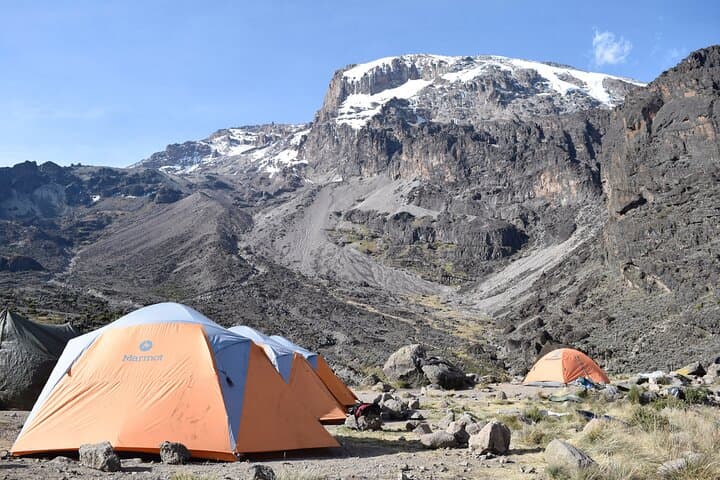
The itinerary is straightforward and focused on acclimatization: Day 1 Machame Gate to Machame Camp (11 km, 5–7 hrs, 1,650 m → 2,865 m). Day 2 to Shira Camp (5 km, 4–6 hrs, up to 3,810 m). Day 3 via Lava Tower to Barranco Camp (10 km, 6–8 hrs, 3,810 m → 3,962 m). Day 4 Baranco to Karanga Camp (3 miles, 4–5 hrs). Day 5 Karanga to Barafu Camp (2.5 miles, 4–5 hrs, to ~4,665 m). Day 6 summit push (usually 00:00–07:00) to 5,895 m and then descent to Mweka Camp (12–15 hrs for summit day). Day 7 descent to Mweka Gate (3–4 hrs).
Practical edge: pace matters more than speed. Hydration, steady calorie intake, and sleep are the simplest forms of altitude insurance. Expect mixed terrain—muddy rainforest trails, rocky scree, exposed ridge walking—and temperatures that swing from warm at Machame Camp to well below freezing on summit night. Guides recommend trekking poles, a fitted down jacket for summit night, and a 4-season sleeping bag rated to at least -10°C.
Logistics are straightforward: most climbs start and end near Moshi; transport and campsite meals are usually included. Medical evacuation is possible but limited—carry a basic altitude plan and consider travel insurance that covers helicopter rescue.
The Machame Route rewards patience: the slower you go, the more the mountain reveals—rifle-green moss giving way to wind-scoured lunar desert and then a sky so vast the summit feels like the only destination left. If you come prepared—both physically and practically—the climb is a hard, honest journey to the roof of Africa.
difficult.
6–7 days.
Good aerobic endurance and experience with multi-day hikes at altitude; able to carry a daypack and walk 6–8 hours on steep terrain.
It is non-technical—no ropes or crampons required for the standard Machame/Barafu route—but it is strenuous and involves high-altitude trekking.
The main dry windows are late June–October and late December–February; avoid the long rains (March–May) for fewer trail closures and more stable conditions.
Yes—guides and porters are required by park regulations and are essential for safety, logistics, and faster summit chances.
Acute mountain sickness can occur above 2,500 m; follow acclimatization protocols, monitor symptoms, and descend if severe signs appear.
You should have good cardiovascular fitness and experience with day hikes; regular stair or hill training helps prepare for sustained climbs.
Cell service is intermittent—available around lower camps near Moshi but unreliable above tree line; don’t rely on it for navigation or emergency communication.
Kilimanjaro’s slopes are tied to the Chagga people, who farm the lower slopes and historically guided early explorers; European ascent history dates to the late 19th century.
The mountain is a protected national park; stick to paths, carry out all waste, and support local guides and porters—responsible tourism funds vital conservation and community programs.
Migration Venture Africa Ltd operates guided outdoor trips and adventures with an emphasis on safety, stewardship, and memorable experiences.
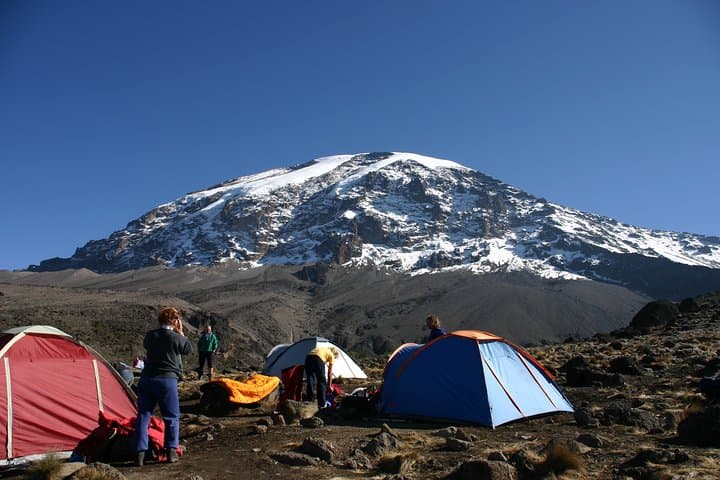
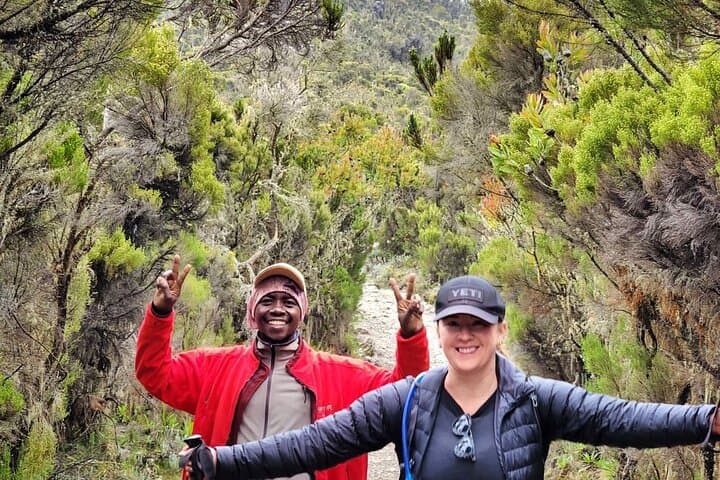
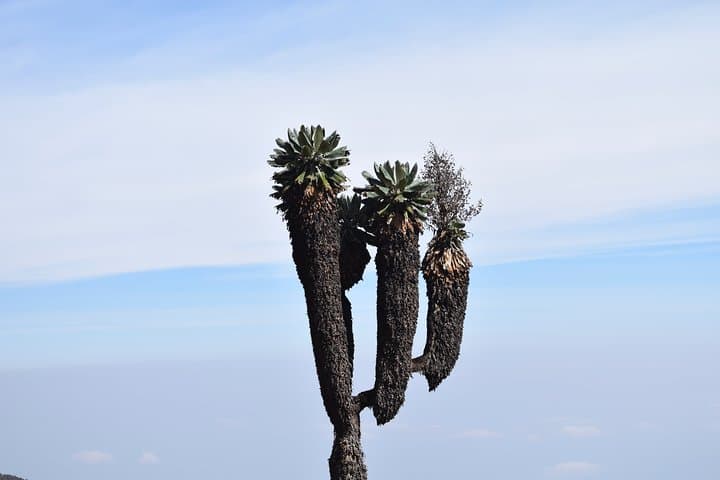
The trail opens in rainforest—wet leaves and sunlight fighting through moss-heavy trees—before climbing into a world that seems to change altitude faster than your lungs. On the Machame Route you spend six days moving upslope through distinct bands of vegetation: dense montane forest, heather and moorland, the stony alpine desert, and finally the knife-edge cold of the summit zone. When you stand at Uhuru Peak, the air is thin enough to feel like someone has turned down the volume on the planet.
The trail opens in rainforest—wet leaves and sunlight fighting through moss-heavy trees—before climbing into a world that seems to change altitude faster than your lungs. On the Machame Route you spend six days moving upslope through distinct bands of vegetation: dense montane forest, heather and moorland, the stony alpine desert, and finally the knife-edge cold of the summit zone. When you stand at Uhuru Peak, the air is thin enough to feel like someone has turned down the volume on the planet.
Machame has eclipsed Marangu in popularity because it balances challenge and acclimatization; it is longer, steeper in sections, and considered more scenic. Geologically, Kilimanjaro is a dormant stratovolcano made of three volcanic cones—Kibo, Mawenzi and Shira—with the island-like Shira Plateau encountered on day two. The western breach and the Arrow Glacier are reminders of the massif’s glacial history; though the ice is disappearing, the jagged moraine and glacial valleys remain. Culturally, the climb crosses lands historically used by the Chagga people, whose agricultural terraces surround Moshi and whose stories about the mountain are woven into local guiding traditions.
The itinerary is straightforward and focused on acclimatization: Day 1 Machame Gate to Machame Camp (11 km, 5–7 hrs, 1,650 m → 2,865 m). Day 2 to Shira Camp (5 km, 4–6 hrs, up to 3,810 m). Day 3 via Lava Tower to Barranco Camp (10 km, 6–8 hrs, 3,810 m → 3,962 m). Day 4 Baranco to Karanga Camp (3 miles, 4–5 hrs). Day 5 Karanga to Barafu Camp (2.5 miles, 4–5 hrs, to ~4,665 m). Day 6 summit push (usually 00:00–07:00) to 5,895 m and then descent to Mweka Camp (12–15 hrs for summit day). Day 7 descent to Mweka Gate (3–4 hrs).
Practical edge: pace matters more than speed. Hydration, steady calorie intake, and sleep are the simplest forms of altitude insurance. Expect mixed terrain—muddy rainforest trails, rocky scree, exposed ridge walking—and temperatures that swing from warm at Machame Camp to well below freezing on summit night. Guides recommend trekking poles, a fitted down jacket for summit night, and a 4-season sleeping bag rated to at least -10°C.
Logistics are straightforward: most climbs start and end near Moshi; transport and campsite meals are usually included. Medical evacuation is possible but limited—carry a basic altitude plan and consider travel insurance that covers helicopter rescue.
The Machame Route rewards patience: the slower you go, the more the mountain reveals—rifle-green moss giving way to wind-scoured lunar desert and then a sky so vast the summit feels like the only destination left. If you come prepared—both physically and practically—the climb is a hard, honest journey to the roof of Africa.