THE ADVENTURE COLLECTIVE® · Independent discovery and booking for outdoor travel

Head into the Sierra mountains south of Puerto Vallarta to observe wild guacamayas (macaws) on a guided conservation tour. This half-day trip blends field talks, forest walks and panoramic viewpoints with opportunities to see these endangered birds flying free.
Head into the Sierra mountains south of Puerto Vallarta to observe wild guacamayas (macaws) on a guided conservation tour. This half-day trip blends field talks, forest walks and panoramic viewpoints with opportunities to see these endangered birds flying free.
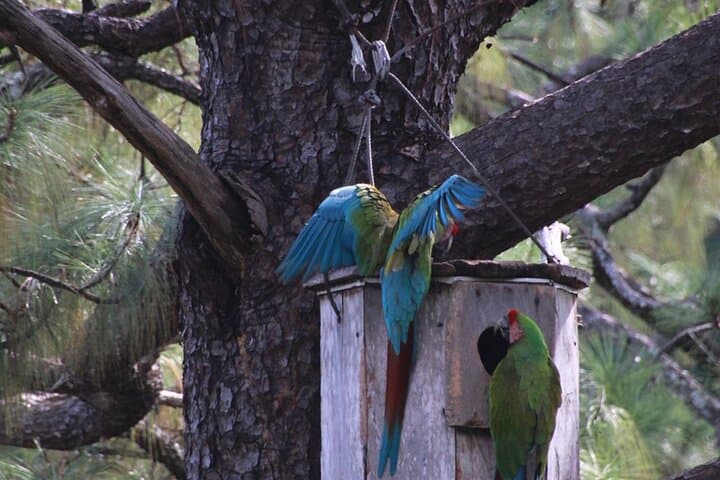
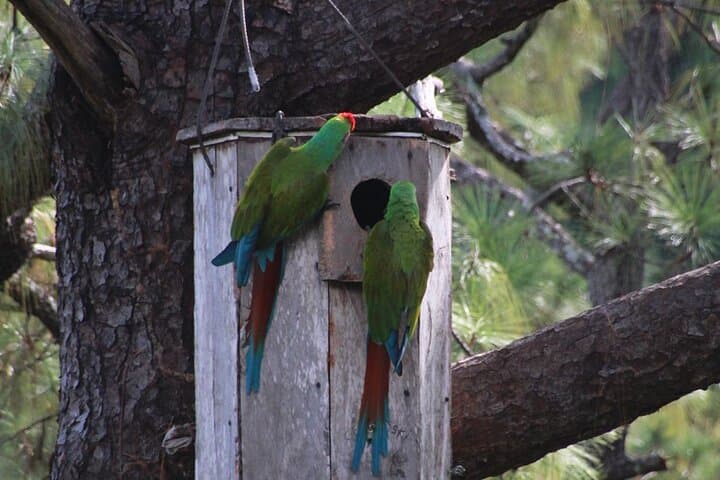
You step off the shuttle into cool mountain air and the forest answers with a chorus: wingbeats, distant calls and the sharp, bright laugh of macaws. The trail slopes gently into a canopy of oaks and tropical dry forest; sunlight threads through leaves and the birds move like streaks of flame between branches.
Verified experiences and guided adventures in the surrounding area.
Operated by Vallarta Bionature tours · Puerto Vallarta, Jalisco
You step off the shuttle into cool mountain air and the forest answers with a chorus: wingbeats, distant calls and the sharp, bright laugh of macaws. The trail slopes gently into a canopy of oaks and tropical dry forest; sunlight threads through leaves and the birds move like streaks of flame between branches.
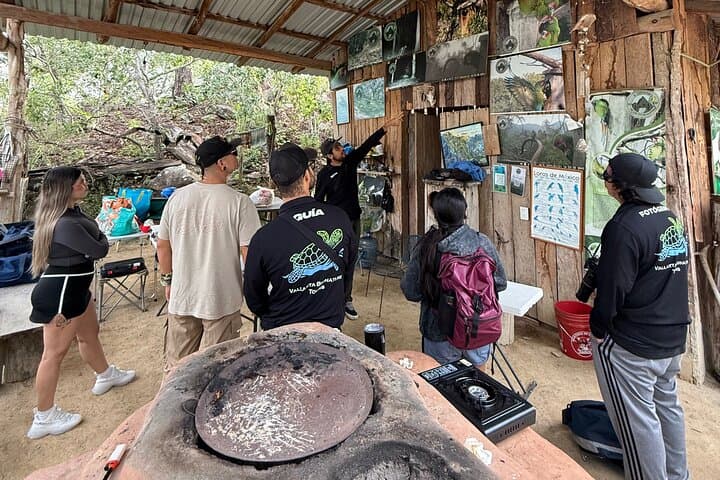
The area sits on the western edge of the Sierra Madre Occidental where volcanic soils and folded ridges create steep valleys and mixed forest habitats that macaws favor for roosting. Local conservationists have worked here for years to rehabilitate and protect endangered guacamaya populations through breeding, habitat restoration and community education. The tour combines a plain-language briefing on those efforts with guided forest walks and a viewpoint that offers sweeping mountain panoramas.
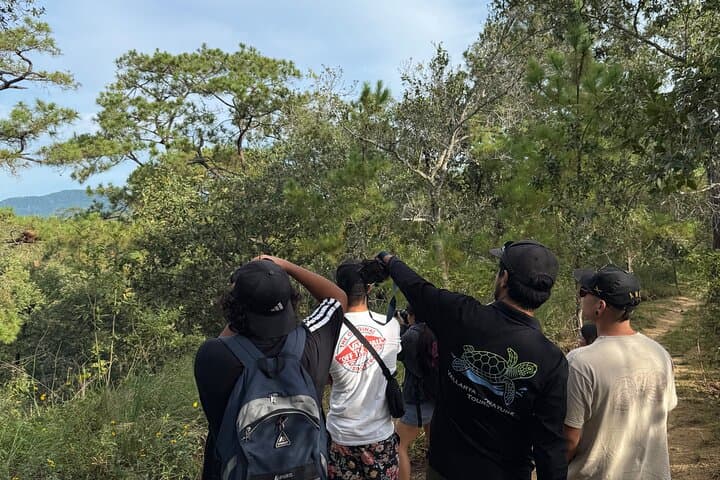
Expect 45 minutes of road travel from Puerto Vallarta, a 1.5–2 hour guided walk at the sanctuary to watch birds in free flight, and plenty of stops for photo and interpretation. Terrain is dirt trails with some roots and uneven rock—moderate footing required. Guides position groups quietly to maximize sightings while minimizing disturbance; binoculars are provided but bringing your own improves close-up views.
Practical tips: start early to catch peak bird activity, wear sturdy shoes and sun protection, and carry at least 1–2 liters of water. Respect distance rules around nesting areas and follow guide instructions to keep sightings sustainable. This trip is part wildlife viewing, part field-education—ideal for travelers who want direct encounters with conservation work and wild macaws in a mountain forest setting.
moderate.
4–5 hours.
Moderate fitness; able to walk 1–3 miles on uneven terrain and tolerate short elevation changes
The guide will drive approximately 45 minutes south into the mountains to reach the sanctuary area, depending on traffic and weather.
Guides aim for sightings and the sanctuary hosts wild macaws, but wildlife is never guaranteed; timing (early morning) improves chances.
The walk is family-friendly but requires moderate mobility; people with serious back, heart, or pregnancy-related concerns should avoid it per provider guidance.
Bring personal binoculars if you have them, water, sun protection, and a camera; lockers and shared binoculars are available.
The area is part of a regional effort combining local communities and NGOs to recover macaw numbers after decades of habitat loss and illegal capture.
Tours support conservation fees and outreach programs; visitors should stay on trails and maintain distance to reduce stress on birds.
Vallarta Bionature tours operates guided outdoor trips and adventures with an emphasis on safety, stewardship, and memorable experiences.
You step off the shuttle into cool mountain air and the forest answers with a chorus: wingbeats, distant calls and the sharp, bright laugh of macaws. The trail slopes gently into a canopy of oaks and tropical dry forest; sunlight threads through leaves and the birds move like streaks of flame between branches.
You step off the shuttle into cool mountain air and the forest answers with a chorus: wingbeats, distant calls and the sharp, bright laugh of macaws. The trail slopes gently into a canopy of oaks and tropical dry forest; sunlight threads through leaves and the birds move like streaks of flame between branches.
The area sits on the western edge of the Sierra Madre Occidental where volcanic soils and folded ridges create steep valleys and mixed forest habitats that macaws favor for roosting. Local conservationists have worked here for years to rehabilitate and protect endangered guacamaya populations through breeding, habitat restoration and community education. The tour combines a plain-language briefing on those efforts with guided forest walks and a viewpoint that offers sweeping mountain panoramas.
Expect 45 minutes of road travel from Puerto Vallarta, a 1.5–2 hour guided walk at the sanctuary to watch birds in free flight, and plenty of stops for photo and interpretation. Terrain is dirt trails with some roots and uneven rock—moderate footing required. Guides position groups quietly to maximize sightings while minimizing disturbance; binoculars are provided but bringing your own improves close-up views.
Practical tips: start early to catch peak bird activity, wear sturdy shoes and sun protection, and carry at least 1–2 liters of water. Respect distance rules around nesting areas and follow guide instructions to keep sightings sustainable. This trip is part wildlife viewing, part field-education—ideal for travelers who want direct encounters with conservation work and wild macaws in a mountain forest setting.