THE ADVENTURE COLLECTIVE® · Independent discovery and booking for outdoor travel

Chase blue marlin and giant bluefin tuna off Lanzarote and La Gomera aboard an experienced charter. Learn seasonal targets, tackle choices and what to pack for full-day deep-sea fishing in the Canary Islands.
Chase blue marlin and giant bluefin tuna off Lanzarote and La Gomera aboard an experienced charter. Learn seasonal targets, tackle choices and what to pack for full-day deep-sea fishing in the Canary Islands.
The boat slips off the quay and the Atlantic opens like a challenge — cold, clear water broken by the wake and the distant silhouette of volcanic coast. At dawn the sea near Lanzarote and neighboring La Gomera tightens with life: tunas sweep the thermoclines and marlin patrol the blue deep, turning long casts into sudden, explosive runs.
Verified experiences and guided adventures in the surrounding area.
Operated by Iberopesca · Arrecife, Las Palmas
The boat slips off the quay and the Atlantic opens like a challenge — cold, clear water broken by the wake and the distant silhouette of volcanic coast. At dawn the sea near Lanzarote and neighboring La Gomera tightens with life: tunas sweep the thermoclines and marlin patrol the blue deep, turning long casts into sudden, explosive runs.
These islands sit on the eastern edge of Macaronesia, where upwelling and the Canary Current concentrate baitfish and create seasonal corridors for migratory gamefish. Fishing here follows patterns as old as the archipelago's volcanic formation: deep canyons and offshore banks carve routes for marlin and bluefin, while sheltered slopes and reefs hold snapper, grouper and serviola in winter.
There is also a working maritime culture — small harbors, longline and artisanal traditions — and skippers who read birds and sonar alike. Expect an informative crew brief, bait-and-switch tactics for giants and light tackle for faster white marlin; seasons matter: bluefin peak in spring, marlin through summer and mixed bottom species in winter.
Practical guidance: trips are full-day (about 8 hours) so bring sea-sickness remedies, layered clothing, sunscreen and your passport for island hops. Heavy tackle and strong reels are provided for big tuna, but anglers should be ready for physical fights and long drags. Hydrate, pace your hands and feet for sun exposure and listen to the crew — they’ll guide hook choice, fighting techniques and responsible release when needed. This is big-ocean fishing: dramatic pulls, long runs and the steady work of staying present with the sea.
challenging.
6–8 hours.
Moderate to strong upper-body fitness recommended; good balance and tolerance for boat motion help during long fights.
Spring is prime for bluefin tuna and some yellowfin; late spring to summer brings blue marlin around La Gomera; summer through early autumn targets white and blue marlin off Lanzarote; winter focuses on bottom species like grouper and snappers.
Beginner anglers are welcome but at least one experienced person aboard is beneficial; the crew provides guidance, though handling giant tuna requires physical effort and teamwork.
Yes; the charter supplies state-of-the-art heavy and light tackle, bait and safety equipment — confirm specifics with the operator before boarding for any personal preferences.
Passport (for island hops), sun protection, non-slip shoes, motion-sickness remedies, personal medications, and a small waterproof bag for essentials.
The Canaries have long been maritime crossroads; local fishing evolved from artisanal coastal methods to mixed recreational and commercial targeting of migratory pelagics driven by Atlantic currents.
Respect seasonal closures and size limits; many operators practice selective catch-and-release for billfish and follow local regulations to reduce bycatch and protect spawning stocks.
Iberopesca operates guided outdoor trips and adventures with an emphasis on safety, stewardship, and memorable experiences.
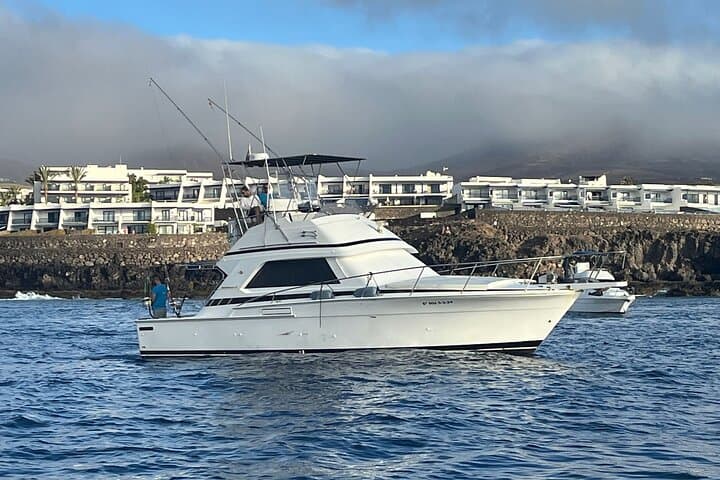
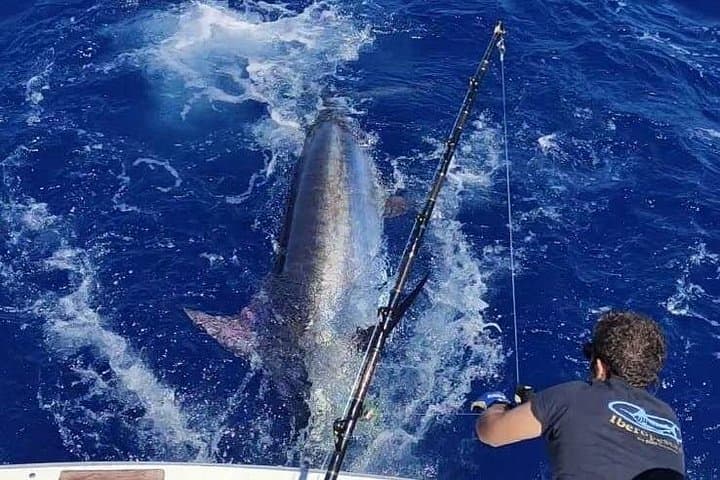
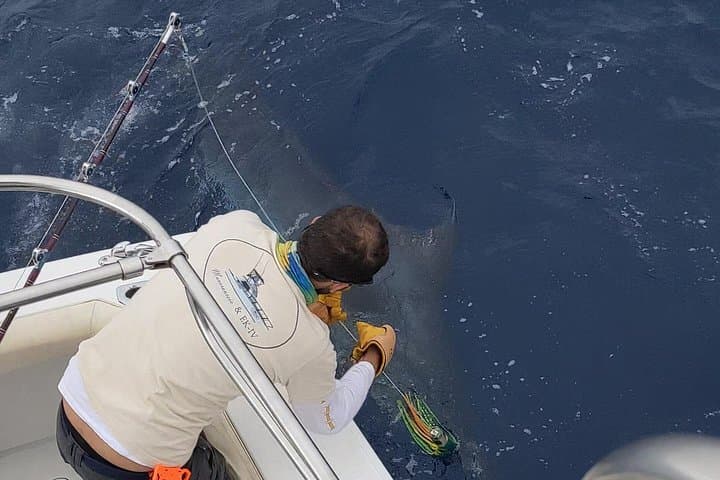
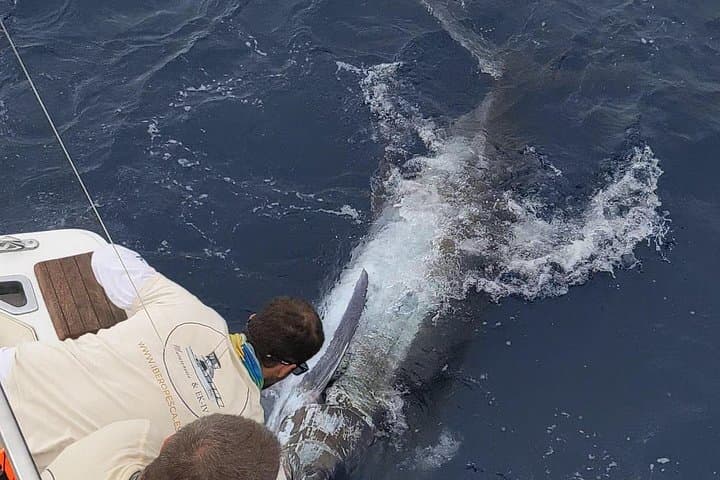
The boat slips off the quay and the Atlantic opens like a challenge — cold, clear water broken by the wake and the distant silhouette of volcanic coast. At dawn the sea near Lanzarote and neighboring La Gomera tightens with life: tunas sweep the thermoclines and marlin patrol the blue deep, turning long casts into sudden, explosive runs.
The boat slips off the quay and the Atlantic opens like a challenge — cold, clear water broken by the wake and the distant silhouette of volcanic coast. At dawn the sea near Lanzarote and neighboring La Gomera tightens with life: tunas sweep the thermoclines and marlin patrol the blue deep, turning long casts into sudden, explosive runs.
These islands sit on the eastern edge of Macaronesia, where upwelling and the Canary Current concentrate baitfish and create seasonal corridors for migratory gamefish. Fishing here follows patterns as old as the archipelago's volcanic formation: deep canyons and offshore banks carve routes for marlin and bluefin, while sheltered slopes and reefs hold snapper, grouper and serviola in winter.
There is also a working maritime culture — small harbors, longline and artisanal traditions — and skippers who read birds and sonar alike. Expect an informative crew brief, bait-and-switch tactics for giants and light tackle for faster white marlin; seasons matter: bluefin peak in spring, marlin through summer and mixed bottom species in winter.
Practical guidance: trips are full-day (about 8 hours) so bring sea-sickness remedies, layered clothing, sunscreen and your passport for island hops. Heavy tackle and strong reels are provided for big tuna, but anglers should be ready for physical fights and long drags. Hydrate, pace your hands and feet for sun exposure and listen to the crew — they’ll guide hook choice, fighting techniques and responsible release when needed. This is big-ocean fishing: dramatic pulls, long runs and the steady work of staying present with the sea.