THE ADVENTURE COLLECTIVE® · Independent discovery and booking for outdoor travel

Hands-on, technique-focused macaron instruction in a small Carmel cottage. Learn macaronage, piping, curing and filling in a 90-minute session led by a chef featured on the Cooking Channel.
Hands-on, technique-focused macaron instruction in a small Carmel cottage. Learn macaronage, piping, curing and filling in a 90-minute session led by a chef featured on the Cooking Channel.
Light filters through the kitchen windows of a Carmel cottage as the instructor lays out almond flour, egg whites and sugar—each ingredient precise, each movement deliberate. The ocean is audible a few blocks away; the sea air seems to edge the class toward steadier hands and patient timing.
Verified experiences and guided adventures in the surrounding area.
Operated by BELLE KITCHEN · Carmel-by-the-Sea, CA
Light filters through the kitchen windows of a Carmel cottage as the instructor lays out almond flour, egg whites and sugar—each ingredient precise, each movement deliberate. The ocean is audible a few blocks away; the sea air seems to edge the class toward steadier hands and patient timing.
Carmel-by-the-Sea grew as an artists’ and culinary enclave in the early 20th century, and its small-scale, craft-focused food scene makes a hands-on macaron workshop a natural fit. The town’s sandy soils and coastal microclimate don’t affect the pastry, but the cultural emphasis on craft and presentation does: these classes emphasize technique as much as taste.
The class runs about 90 minutes of concentrated instruction. Students learn the three core ingredients and the temperamental macaronage stage—how batter moves, how to tell when it’s ready to pipe—and practice piping, curing and filling. Expect a compact, skill-focused session in a home kitchen setting; classes are kept deliberately small so each baker receives direct guidance. A macaron kit (mat, tips, bags) is available for purchase.
Practical note: participants should be prepared to stand and work for up to two hours and to follow step-by-step demonstrations. The instructor covers troubleshooting common problems—flat shells, hollow centers—and suggests flavor variations for ganache and buttercream fillings. For planning, arrive a few minutes early to settle in, communicate allergies ahead of time, and bring a small cooler if you want to carry fragile pastries home. This is a tidy, technique-first class that equips home bakers with reproducible skills rather than a casual tasting.
easy.
1.5 hours.
Light physical demand; able to stand and use fine motor skills for up to two hours.
The session is approximately 90 minutes of hands-on instruction focused on technique and troubleshooting.
Children over age 7 are welcome but must be accompanied by an enrolled adult; the class involves hot surfaces and precise techniques.
Yes—ingredients and bottled water are provided; notify the host in advance about allergies or dietary needs.
A macaron kit (mat, piping tips and bags) is often available for purchase—message the host after booking to reserve one.
Carmel-by-the-Sea developed as an artists’ colony and boutique coastal town in the early 1900s, shaping a local culture that values handcrafted food and design.
Local businesses emphasize low-impact practices and coastal habitat protection; minimizing single-use plastics and respecting beach access rules helps preserve the shoreline.
BELLE KITCHEN operates guided outdoor trips and adventures with an emphasis on safety, stewardship, and memorable experiences.
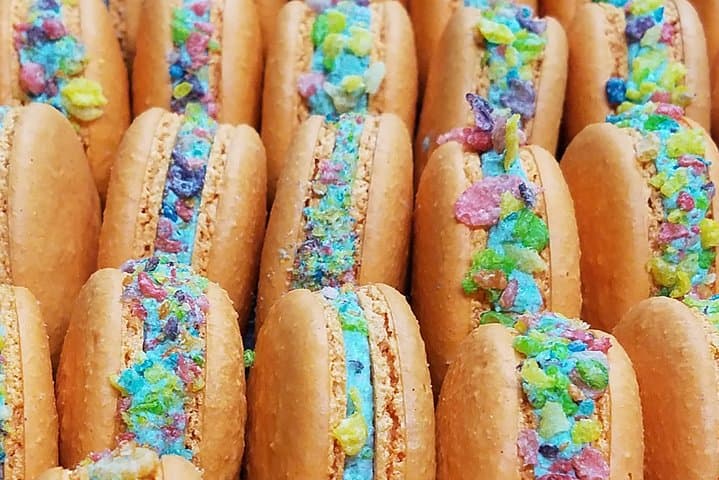
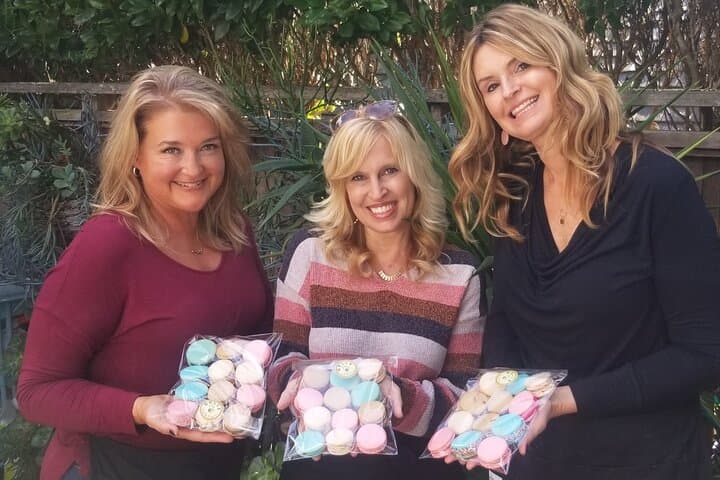
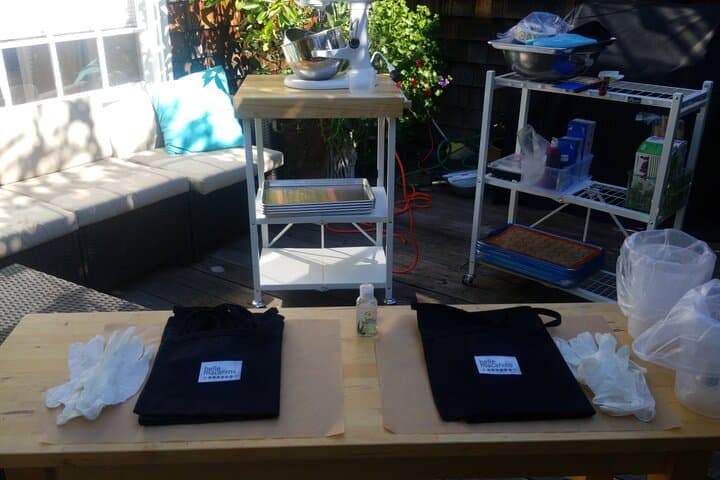
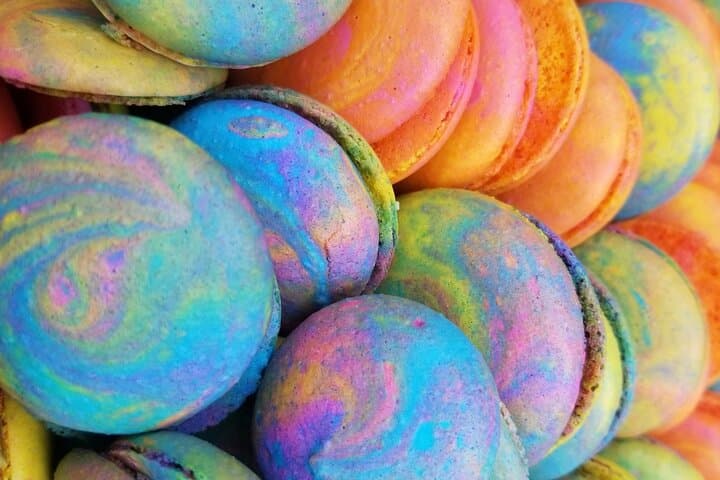
Light filters through the kitchen windows of a Carmel cottage as the instructor lays out almond flour, egg whites and sugar—each ingredient precise, each movement deliberate. The ocean is audible a few blocks away; the sea air seems to edge the class toward steadier hands and patient timing.
Light filters through the kitchen windows of a Carmel cottage as the instructor lays out almond flour, egg whites and sugar—each ingredient precise, each movement deliberate. The ocean is audible a few blocks away; the sea air seems to edge the class toward steadier hands and patient timing.
Carmel-by-the-Sea grew as an artists’ and culinary enclave in the early 20th century, and its small-scale, craft-focused food scene makes a hands-on macaron workshop a natural fit. The town’s sandy soils and coastal microclimate don’t affect the pastry, but the cultural emphasis on craft and presentation does: these classes emphasize technique as much as taste.
The class runs about 90 minutes of concentrated instruction. Students learn the three core ingredients and the temperamental macaronage stage—how batter moves, how to tell when it’s ready to pipe—and practice piping, curing and filling. Expect a compact, skill-focused session in a home kitchen setting; classes are kept deliberately small so each baker receives direct guidance. A macaron kit (mat, tips, bags) is available for purchase.
Practical note: participants should be prepared to stand and work for up to two hours and to follow step-by-step demonstrations. The instructor covers troubleshooting common problems—flat shells, hollow centers—and suggests flavor variations for ganache and buttercream fillings. For planning, arrive a few minutes early to settle in, communicate allergies ahead of time, and bring a small cooler if you want to carry fragile pastries home. This is a tidy, technique-first class that equips home bakers with reproducible skills rather than a casual tasting.