THE ADVENTURE COLLECTIVE® · Independent discovery and booking for outdoor travel

Hop a buggy from a working ranch to the surf at Macao Beach—mud tracks, freshwater cenotes and a local house visit make this 4–5 hour Punta Cana safari a compact, hands-on way to see rural coastal life.
Hop a buggy from a working ranch to the surf at Macao Beach—mud tracks, freshwater cenotes and a local house visit make this 4–5 hour Punta Cana safari a compact, hands-on way to see rural coastal life.
Dust and salt smell sharp in the air as a line of open-top buggies rumbles away from the ranch, engines nudging you forward through a patchwork of sugarcane fields. The trail breaks into a rough, muddy corridor where tires dig in and guides grin—this is the part that wakes you up—before the track opens onto a small clearing with a traditional Dominican house and, a short way beyond, crystalline cenotes that cut cool shadows into the day.
Verified experiences and guided adventures in the surrounding area.
Operated by Place to place transfers & tour · Punta Cana, La Altagracia
Dust and salt smell sharp in the air as a line of open-top buggies rumbles away from the ranch, engines nudging you forward through a patchwork of sugarcane fields. The trail breaks into a rough, muddy corridor where tires dig in and guides grin—this is the part that wakes you up—before the track opens onto a small clearing with a traditional Dominican house and, a short way beyond, crystalline cenotes that cut cool shadows into the day.
This route follows land shaped by ancient coral reefs and river deposits; the flat, low-lying coastal plain turns sandy and porous, allowing freshwater pockets to form where locals have long bathed and fished. Macao Beach itself is wide and open to the Atlantic swells, a favored spot for local surfers and a change of scene after the scrubby off-road sections. Guides often point out community-run ranches and explain the mix of Taíno, Spanish, and African influences that form regional food, music, and rural crafts.
Practically, expect 4–5 hours of mixed driving and short walks, with wet swims in cool cenotes and a beach stop to stretch legs. Helmets are provided; wear closed-toe shoes you don't mind muddying. Bring sunscreen, a refillable water bottle, and a waterproof pouch for your phone—photographers ride along to capture candid moments. Tours move at a social pace but include brief, firm safety briefings; if you plan to drive, be ready to handle basic off-road steering. Timing morning or late afternoon avoids the hottest midday sun and gives the beach a softer light for photos.
moderate.
4–5 hours.
Moderate fitness: able to climb in/out of buggies, walk short uneven trails, and enter shallow cenotes.
Most tours let participants drive after a short safety briefing; guides are available to drive if you prefer to be a passenger.
Yes—there is typically time to swim in cool, clear cenotes; bring a towel and expect shallow entry points.
Operators often set age limits and require child seats; check the booking questions for age bands and pickup requirements before reserving.
Quick-dry clothing, closed-toe shoes, and a light layer for windy beach stretches; avoid delicate fabrics that can be stained by mud.
The coastal plain around Punta Cana was historically used for small-scale agriculture and fishing; many ranches retain traditional construction methods reflecting Spanish colonial and Taíno influences.
Respect local water sources—cenotes are sensitive aquifers; avoid soaps or lotions when swimming and follow guide instructions to minimize erosion on off-road tracks.
Place to place transfers & tour operates guided outdoor trips and adventures with an emphasis on safety, stewardship, and memorable experiences.
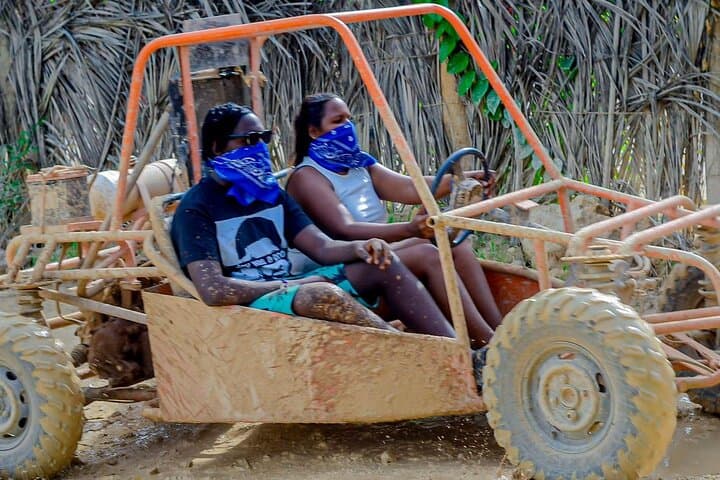


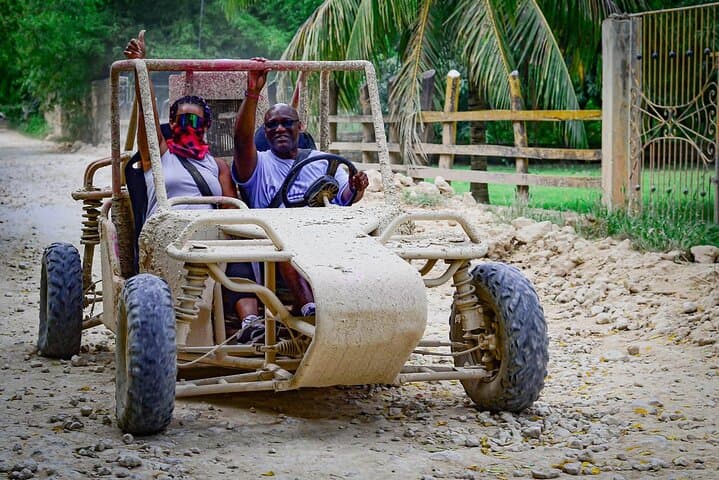
Dust and salt smell sharp in the air as a line of open-top buggies rumbles away from the ranch, engines nudging you forward through a patchwork of sugarcane fields. The trail breaks into a rough, muddy corridor where tires dig in and guides grin—this is the part that wakes you up—before the track opens onto a small clearing with a traditional Dominican house and, a short way beyond, crystalline cenotes that cut cool shadows into the day.
Dust and salt smell sharp in the air as a line of open-top buggies rumbles away from the ranch, engines nudging you forward through a patchwork of sugarcane fields. The trail breaks into a rough, muddy corridor where tires dig in and guides grin—this is the part that wakes you up—before the track opens onto a small clearing with a traditional Dominican house and, a short way beyond, crystalline cenotes that cut cool shadows into the day.
This route follows land shaped by ancient coral reefs and river deposits; the flat, low-lying coastal plain turns sandy and porous, allowing freshwater pockets to form where locals have long bathed and fished. Macao Beach itself is wide and open to the Atlantic swells, a favored spot for local surfers and a change of scene after the scrubby off-road sections. Guides often point out community-run ranches and explain the mix of Taíno, Spanish, and African influences that form regional food, music, and rural crafts.
Practically, expect 4–5 hours of mixed driving and short walks, with wet swims in cool cenotes and a beach stop to stretch legs. Helmets are provided; wear closed-toe shoes you don't mind muddying. Bring sunscreen, a refillable water bottle, and a waterproof pouch for your phone—photographers ride along to capture candid moments. Tours move at a social pace but include brief, firm safety briefings; if you plan to drive, be ready to handle basic off-road steering. Timing morning or late afternoon avoids the hottest midday sun and gives the beach a softer light for photos.