THE ADVENTURE COLLECTIVE® · Independent discovery and booking for outdoor travel

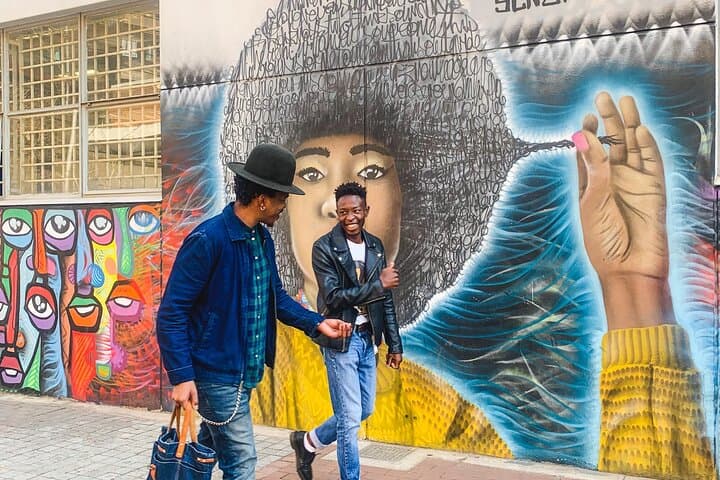
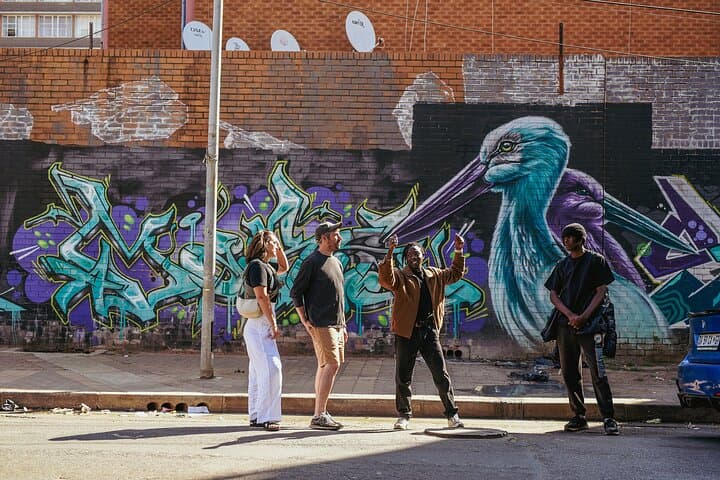
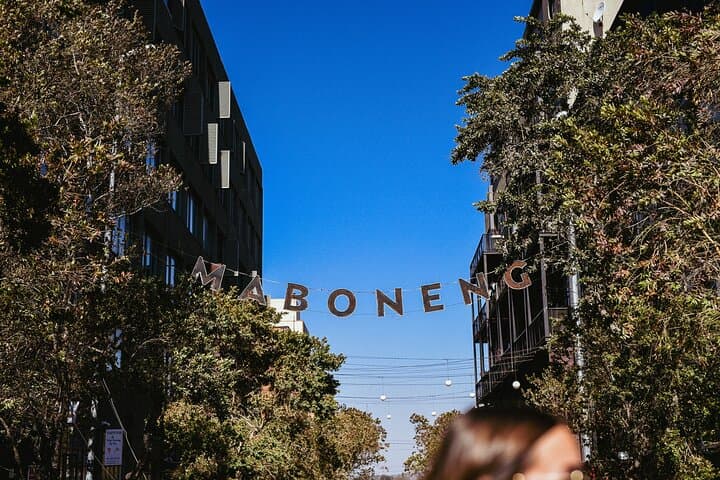
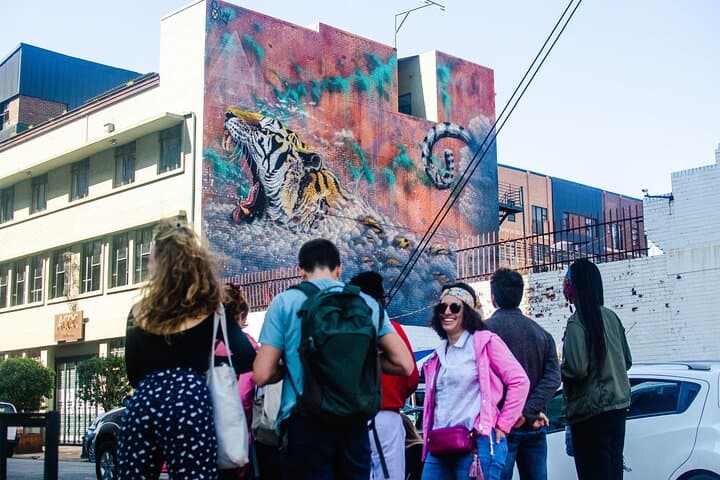
Walk through the Maboneng Precinct to see Johannesburg's most dynamic street art, meet working artists, and learn how a former industrial district reinvented itself as a creative center. This two-hour guided tour pairs neighborhood history with close-up looks at murals and techniques.
Walk through the Maboneng Precinct to see Johannesburg's most dynamic street art, meet working artists, and learn how a former industrial district reinvented itself as a creative center. This two-hour guided tour pairs neighborhood history with close-up looks at murals and techniques.
You begin under the bridge at the corner coffee shop — Home of the Bean — where the steam from cups mingles with paint fumes and a block of concrete seems to breathe color. From that corner the precinct stretches east: warehouses turned studios, alleys where murals lean into each other, and façades that keep the city's recent stories readable to anyone willing to stop and look.
Verified experiences and guided adventures in the surrounding area.
Operated by One Day Africa · Johannesburg, Gauteng
You begin under the bridge at the corner coffee shop — Home of the Bean — where the steam from cups mingles with paint fumes and a block of concrete seems to breathe color. From that corner the precinct stretches east: warehouses turned studios, alleys where murals lean into each other, and façades that keep the city's recent stories readable to anyone willing to stop and look.
Maboneng sits on the old mining rim of the Witwatersrand, an area shaped by 19th-century gold rush geology and 20th-century industrial growth. Post-apartheid renewal repurposed these brick shells into galleries, apartments and cultural venues; the street art you see is part of that civic rewriting. Guides point out techniques — stenciling, wheat-pasting, large-scale muralism — and the social threads behind them: identity, memory, and economic change.
Expect a two-hour walk at an easy pace through paved streets and occasional uneven sidewalks. The experience is as much about people as pigments: you may meet artists, learn the backstory of a piece, and hear how commissions and community projects alter perceptions here.
Practical notes: meet inside the café if early and check WhatsApp messages from the operator for last-minute updates. The route is stroller-accessible in parts but includes curbs; wear supportive shoes and carry water. Photography is welcomed, but ask artists before shooting close portraits or private studios. This guided tour is best in clear weather; afternoon light sharpens the murals and the city keeps talking through its walls.
easy.
2 hours.
Suitable for most fitness levels; participants should be comfortable walking on city streets for two hours.
Meet inside Home of the Bean coffee shop at the corner of Fox and Berea Streets; the operator may message you via WhatsApp about any last-minute changes.
Yes—parts of the route are stroller-accessible and the tour is rated physically easy, but expect some curbs and uneven sections.
Photography of murals is fine; always ask artists before photographing them or entering private studios for portraits or interior shots.
Full refunds are available if you cancel at least 24 hours before the tour start time; check your booking confirmation for specifics.
Maboneng evolved from early-20th-century mining and industrial warehouses on the Witwatersrand; in the 2000s developers and artists transformed those shells into a creative precinct that highlights post-apartheid urban renewal.
Many murals are commissioned through community programs; respect artworks and private property, and support local galleries and cafés that help fund public art maintenance.
One Day Africa operates guided outdoor trips and adventures with an emphasis on safety, stewardship, and memorable experiences.
You begin under the bridge at the corner coffee shop — Home of the Bean — where the steam from cups mingles with paint fumes and a block of concrete seems to breathe color. From that corner the precinct stretches east: warehouses turned studios, alleys where murals lean into each other, and façades that keep the city's recent stories readable to anyone willing to stop and look.
You begin under the bridge at the corner coffee shop — Home of the Bean — where the steam from cups mingles with paint fumes and a block of concrete seems to breathe color. From that corner the precinct stretches east: warehouses turned studios, alleys where murals lean into each other, and façades that keep the city's recent stories readable to anyone willing to stop and look.
Maboneng sits on the old mining rim of the Witwatersrand, an area shaped by 19th-century gold rush geology and 20th-century industrial growth. Post-apartheid renewal repurposed these brick shells into galleries, apartments and cultural venues; the street art you see is part of that civic rewriting. Guides point out techniques — stenciling, wheat-pasting, large-scale muralism — and the social threads behind them: identity, memory, and economic change.
Expect a two-hour walk at an easy pace through paved streets and occasional uneven sidewalks. The experience is as much about people as pigments: you may meet artists, learn the backstory of a piece, and hear how commissions and community projects alter perceptions here.
Practical notes: meet inside the café if early and check WhatsApp messages from the operator for last-minute updates. The route is stroller-accessible in parts but includes curbs; wear supportive shoes and carry water. Photography is welcomed, but ask artists before shooting close portraits or private studios. This guided tour is best in clear weather; afternoon light sharpens the murals and the city keeps talking through its walls.