THE ADVENTURE COLLECTIVE® · Independent discovery and booking for outdoor travel

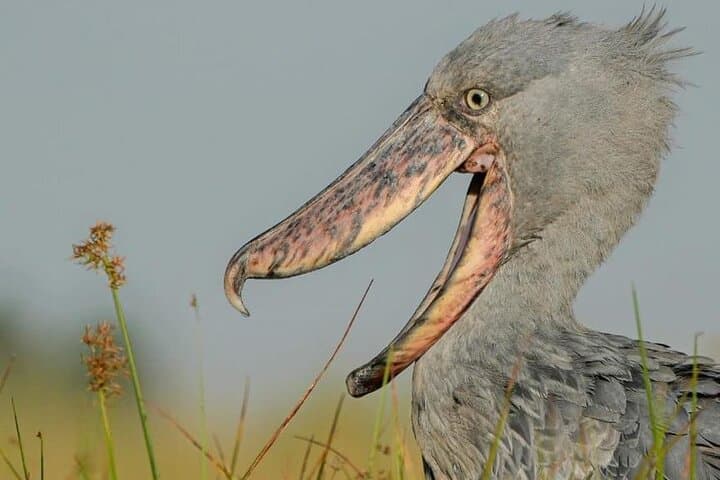
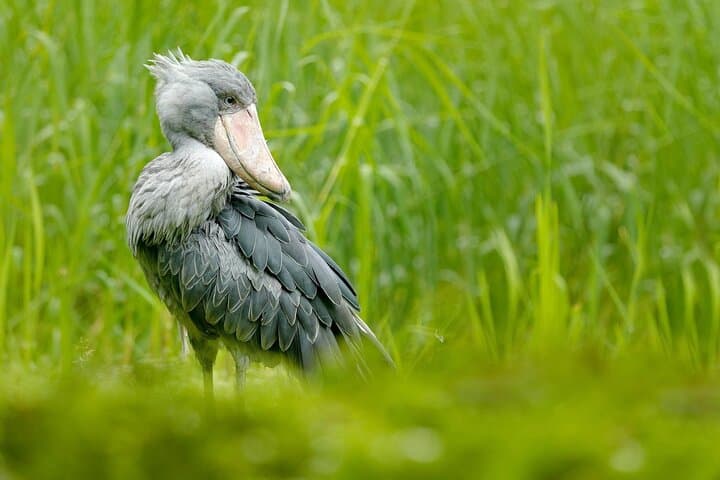
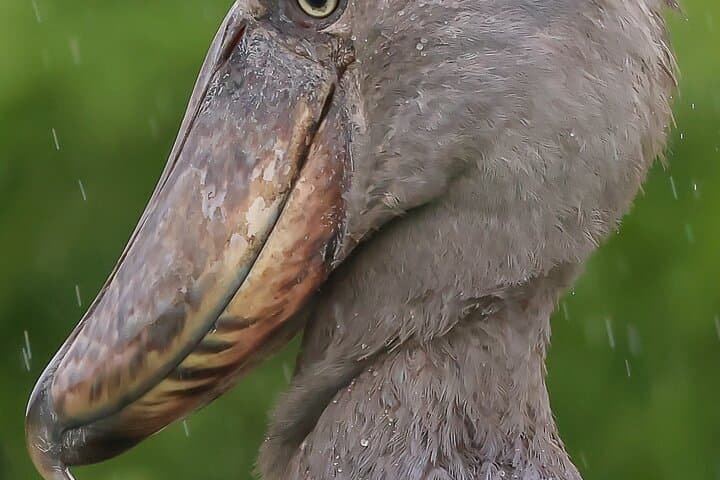
Glide through papyrus channels an hour from Entebbe to seek the shoebill—Uganda’s famed wetland specialist. This one-day tour combines a lake crossing, a traditional canoe glide, and close-up birding in a compact morning or afternoon outing.
Glide through papyrus channels an hour from Entebbe to seek the shoebill—Uganda’s famed wetland specialist. This one-day tour combines a lake crossing, a traditional canoe glide, and close-up birding in a compact morning or afternoon outing.
A low-slung boat slips away from Lake Victoria’s shore and the papyrus reeds rise like a green wall—this is Mabamba Swamp an hour from Entebbe where the landscape narrows to channels and hush. Early light skims cinnamon-coloured water while a local canoe guide reads the reeds; the shoebill’s slow, prehistoric silhouette can appear as suddenly as a story told in whispers.
Verified experiences and guided adventures in the surrounding area.
Operated by Unveil Uganda safaris · Entebbe, Wakiso District
A low-slung boat slips away from Lake Victoria’s shore and the papyrus reeds rise like a green wall—this is Mabamba Swamp an hour from Entebbe where the landscape narrows to channels and hush. Early light skims cinnamon-coloured water while a local canoe guide reads the reeds; the shoebill’s slow, prehistoric silhouette can appear as suddenly as a story told in whispers.
The swamp sits on the western arm of Lake Victoria at roughly 1,130 m elevation and formed where riverine flows meet the lake, creating dense papyrus beds that have supported fisher and reed-harvesting communities for generations. The shoebill (Balaeniceps rex), Uganda’s iconic wetland specialist, concentrates here because of the shallow, fish-rich shallows the swamp makes possible.
Culturally the area is tied to lakeshore livelihoods: small-scale fishing, papyrus cutting for mats and thatch, and local guides who know every channel. Geologically it’s recent—sediment from upstream rivers feeding the lake built papyrus-dominated wetlands over centuries.
Practical guide: tours typically start with a pickup in Entebbe and include a 30–45 minute motorboat crossing then a quiet glide in a traditional canoe through papyrus channels. Expect about four hours total on a standard day tour. Bring binoculars, waterproof shoes, insect repellent and a small dry bag for electronics. Morning trips give the best light and bird activity; travel slowly and keep voices low to improve your chances of seeing the shoebill.
Respect local rules—stay seated in the canoe, follow your guide’s directions, and carry small bills for entrance fees and tips. With a little patience, Mabamba delivers a rare wetland encounter that feels both fragile and intensely alive.
easy.
4 hours.
Light physical fitness; mostly sitting in boats with short, easy walks at the landing
Early morning trips during the drier months (roughly June–August and December–February) tend to concentrate birds in shallower channels and increase sighting chances.
Plan on a 30–45 minute motorboat crossing from the landing plus a 20–40 minute canoe glide through papyrus channels; the full tour runs about four hours door-to-door.
Yes—physical demands are low, but you should be able to get in and out of small boats; infants and those with severe mobility issues may need assistance.
Cameras are welcome; tripods are impractical in narrow canoes—use monopods or image stabilization and keep movement minimal to avoid disturbing birds.
Mabamba’s reedbeds have long supported lakeshore communities who harvest papyrus and fish; conservation attention grew as the shoebill’s rarity drew international interest.
The swamp is sensitive—stay in designated channels, avoid litter, and support local guides whose livelihoods depend on healthy wetland ecosystems.
Unveil Uganda safaris operates guided outdoor trips and adventures with an emphasis on safety, stewardship, and memorable experiences.
A low-slung boat slips away from Lake Victoria’s shore and the papyrus reeds rise like a green wall—this is Mabamba Swamp an hour from Entebbe where the landscape narrows to channels and hush. Early light skims cinnamon-coloured water while a local canoe guide reads the reeds; the shoebill’s slow, prehistoric silhouette can appear as suddenly as a story told in whispers.
A low-slung boat slips away from Lake Victoria’s shore and the papyrus reeds rise like a green wall—this is Mabamba Swamp an hour from Entebbe where the landscape narrows to channels and hush. Early light skims cinnamon-coloured water while a local canoe guide reads the reeds; the shoebill’s slow, prehistoric silhouette can appear as suddenly as a story told in whispers.
The swamp sits on the western arm of Lake Victoria at roughly 1,130 m elevation and formed where riverine flows meet the lake, creating dense papyrus beds that have supported fisher and reed-harvesting communities for generations. The shoebill (Balaeniceps rex), Uganda’s iconic wetland specialist, concentrates here because of the shallow, fish-rich shallows the swamp makes possible.
Culturally the area is tied to lakeshore livelihoods: small-scale fishing, papyrus cutting for mats and thatch, and local guides who know every channel. Geologically it’s recent—sediment from upstream rivers feeding the lake built papyrus-dominated wetlands over centuries.
Practical guide: tours typically start with a pickup in Entebbe and include a 30–45 minute motorboat crossing then a quiet glide in a traditional canoe through papyrus channels. Expect about four hours total on a standard day tour. Bring binoculars, waterproof shoes, insect repellent and a small dry bag for electronics. Morning trips give the best light and bird activity; travel slowly and keep voices low to improve your chances of seeing the shoebill.
Respect local rules—stay seated in the canoe, follow your guide’s directions, and carry small bills for entrance fees and tips. With a little patience, Mabamba delivers a rare wetland encounter that feels both fragile and intensely alive.