THE ADVENTURE COLLECTIVE® · Independent discovery and booking for outdoor travel

A morning canoe through papyrus channels brings you face-to-bill with the elusive shoebill at Mabamba Swamp, a top birding stop near Entebbe. This one-day tour combines close wildlife encounters with local-guided canoeing and easy access from Kampala.
A morning canoe through papyrus channels brings you face-to-bill with the elusive shoebill at Mabamba Swamp, a top birding stop near Entebbe. This one-day tour combines close wildlife encounters with local-guided canoeing and easy access from Kampala.
Dawn arrives over a maze of papyrus channels and the canoe slips forward, blades whispering against brown water. The shoebill waits like a fossilized watchman—stock-still, enormous bill angled against a soft, gray sky—then turns and preens with slow, deliberate movements that make you forget the city an hour away.
Verified experiences and guided adventures in the surrounding area.
Operated by Gorilla safari uganda · Entebbe, Wakiso District
Dawn arrives over a maze of papyrus channels and the canoe slips forward, blades whispering against brown water. The shoebill waits like a fossilized watchman—stock-still, enormous bill angled against a soft, gray sky—then turns and preens with slow, deliberate movements that make you forget the city an hour away.
Mabamba Swamp sits on the northern shore of Lake Victoria, a broad wetland formed where shallow bays and seasonal floods collect among papyrus and sedge. The area has fed fishing communities for generations and supports a unique suite of waterbirds; colonial-era naturalists first drew ornithological attention here, and local guides now protect access to prime channels.
Expect most birding from narrow dugout canoes paddled by local site guides; the shoebill prefers shallow channels where lunging fish force it to stand like a statue. Other highlights include papyrus-specialists such as the Papyrus Gonolek, African purple swamp-hen, and Goliath heron. The swamp’s reeds breathe and shift, pushing you into quieter, slower observation.
Practical notes: tours typically run 8–10 hours from Entebbe or Kampala (about 15 km west of Entebbe), with early starts to match bird activity. Wear muted colors, bring a 300mm+ lens or 10x+ binoculars, insect repellent, sun protection, and small cash for community fees or tips. Move slowly and follow your guide’s quiet-boat etiquette—sudden noise spooks prey birds and chances alike. Weather changes fast on the lake margin; pack a light waterproof layer. For photographers and birders alike, Mabamba delivers one concentrated, unforgettable day of wetland wildlife and close encounters with one of Africa’s most bizarre birds.
easy.
8–10 hours.
Suitable for most fitness levels; requires getting in/out of low dugout canoes and short, flat walks
Guides aim for shoebill sightings and success is high, especially in dry months when birds concentrate in narrower channels, but sightings cannot be guaranteed—wildlife is unpredictable.
Dugout canoe trips are generally calm and guides provide life jackets when needed; non-swimmers should still tell the operator and wear a life jacket.
Most operators offer pickup from Entebbe and Kampala—confirm pickup location and any extra transfer costs when booking.
A telephoto lens, extra batteries, a waterproof camera bag, and neutral-colored clothing help you shoot without disturbing birds.
Mabamba has long been a subsistence landscape for lakeshore communities and gained ornithological prominence in the 20th century as researchers noted its concentration of papyrus-dependent species.
The swamp is ecologically important but threatened by reclamation and pollution; community-led conservation and responsible tourism help fund patrols and sustainable livelihoods.
Gorilla safari uganda operates guided outdoor trips and adventures with an emphasis on safety, stewardship, and memorable experiences.
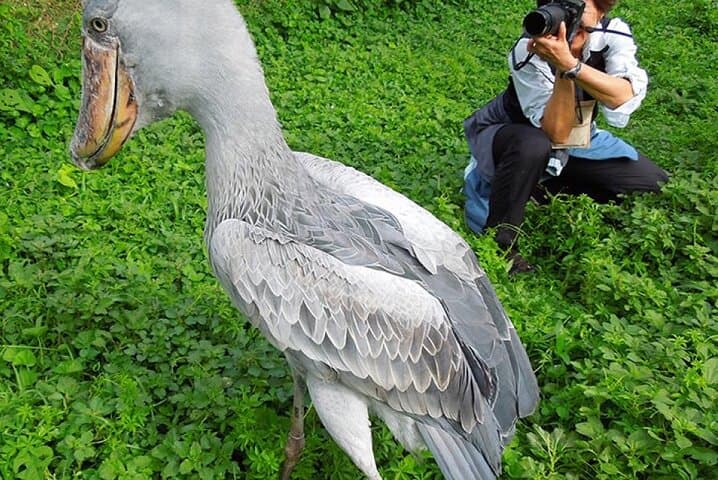
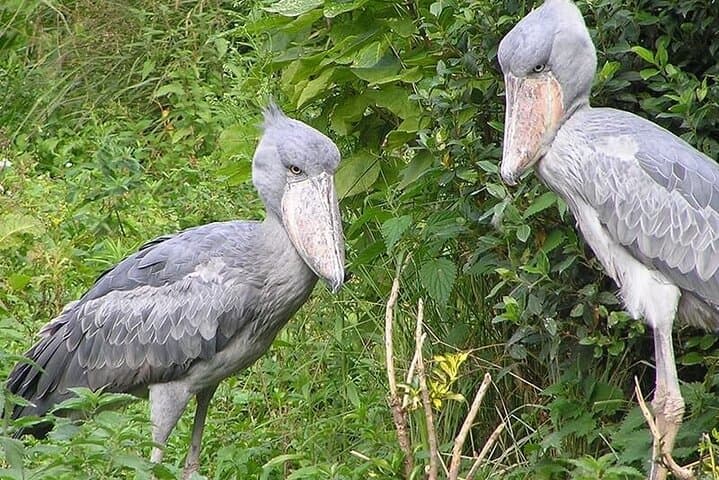
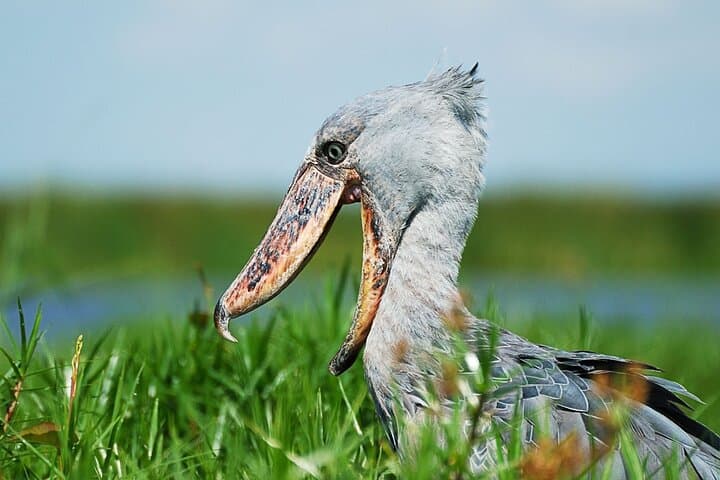
Dawn arrives over a maze of papyrus channels and the canoe slips forward, blades whispering against brown water. The shoebill waits like a fossilized watchman—stock-still, enormous bill angled against a soft, gray sky—then turns and preens with slow, deliberate movements that make you forget the city an hour away.
Dawn arrives over a maze of papyrus channels and the canoe slips forward, blades whispering against brown water. The shoebill waits like a fossilized watchman—stock-still, enormous bill angled against a soft, gray sky—then turns and preens with slow, deliberate movements that make you forget the city an hour away.
Mabamba Swamp sits on the northern shore of Lake Victoria, a broad wetland formed where shallow bays and seasonal floods collect among papyrus and sedge. The area has fed fishing communities for generations and supports a unique suite of waterbirds; colonial-era naturalists first drew ornithological attention here, and local guides now protect access to prime channels.
Expect most birding from narrow dugout canoes paddled by local site guides; the shoebill prefers shallow channels where lunging fish force it to stand like a statue. Other highlights include papyrus-specialists such as the Papyrus Gonolek, African purple swamp-hen, and Goliath heron. The swamp’s reeds breathe and shift, pushing you into quieter, slower observation.
Practical notes: tours typically run 8–10 hours from Entebbe or Kampala (about 15 km west of Entebbe), with early starts to match bird activity. Wear muted colors, bring a 300mm+ lens or 10x+ binoculars, insect repellent, sun protection, and small cash for community fees or tips. Move slowly and follow your guide’s quiet-boat etiquette—sudden noise spooks prey birds and chances alike. Weather changes fast on the lake margin; pack a light waterproof layer. For photographers and birders alike, Mabamba delivers one concentrated, unforgettable day of wetland wildlife and close encounters with one of Africa’s most bizarre birds.