THE ADVENTURE COLLECTIVE® · Independent discovery and booking for outdoor travel

A brisk 90-minute, 6 km running tour that threads Maastricht’s Roman streets, city walls and market squares. Expect cobbles, riverside stretches, historical stops and local tips from experienced guides.
A brisk 90-minute, 6 km running tour that threads Maastricht’s Roman streets, city walls and market squares. Expect cobbles, riverside stretches, historical stops and local tips from experienced guides.
Morning light slides over cobblestones as runners thread past the Jeker, the river daring you to keep pace. In 90 minutes the Highlight Running Tour covers roughly 6 km of Maastricht’s oldest lanes: cobbled alleys, fragments of city wall, and the sweep of Vrijthof where the basilica and St. Jan keep quiet watch.
Verified experiences and guided adventures in the surrounding area.
Operated by Maastricht Running Tours · Maastricht, Limburg
Morning light slides over cobblestones as runners thread past the Jeker, the river daring you to keep pace. In 90 minutes the Highlight Running Tour covers roughly 6 km of Maastricht’s oldest lanes: cobbled alleys, fragments of city wall, and the sweep of Vrijthof where the basilica and St. Jan keep quiet watch.
This city wears history plainly. Roman-era foundations underlie the Stokstraat quarter, the Sint Servaasbrug is the Netherlands’ oldest bridge, and the surrounding limestone — the Maastrichtian chalk — has fossilized the region’s deep past. The former ceramic works in Wyck has been reborn as a cultural quarter, and market squares still echo with trade and invention (look for the Minckeleers statue, the man linked to early gaslight).
Culturally the route passes neighborhoods that trade aristocratic façades for intimate cafés; guides punctuate the run with anecdotes and local tips so you know where to return on foot after the workout.
Practically, expect 6 km on mostly flat urban terrain with short stretches of cobbles and park paths. Moderate fitness is required; the group size stays small and public transport makes access straightforward. Wear road-running shoes with good grip, carry a small bottle, and layer against wind off the Meuse. Guides provide photos and local orientation; service animals are permitted but the tour is not suitable for travelers with serious spinal or cardiac conditions.
Run with curiosity: the city’s stones tell stories, and a steady rhythm reveals details that a bus ride doesn’t — history, geology, and everyday Maastricht compacted into a brisk, informative loop.
moderate.
1.5 hours (approx.).
Suitable for runners with a moderate fitness base who can sustain steady pace over 6 km.
The tour lasts about 90 minutes and covers approximately 6 km through central Maastricht.
It’s best for runners with moderate fitness; beginners who jog-walk can join but should disclose pace expectations when booking.
The start is in the converted ceramic-works area in Wyck; it’s within walking distance of Maastricht train station and served by local buses.
Service animals are allowed; however the route has cobbles and some stairs, so it’s not recommended for those with serious spinal or cardiovascular conditions.
Maastricht dates to Roman times; the Sint Servaasbrug and surviving segments of city walls reflect a layered history stretching from Roman settlement through medieval trade.
The city encourages low-impact sightseeing—stick to paths, avoid trampling green areas and support local cafes to keep visitor impact positive.
Maastricht Running Tours operates guided outdoor trips and adventures with an emphasis on safety, stewardship, and memorable experiences.
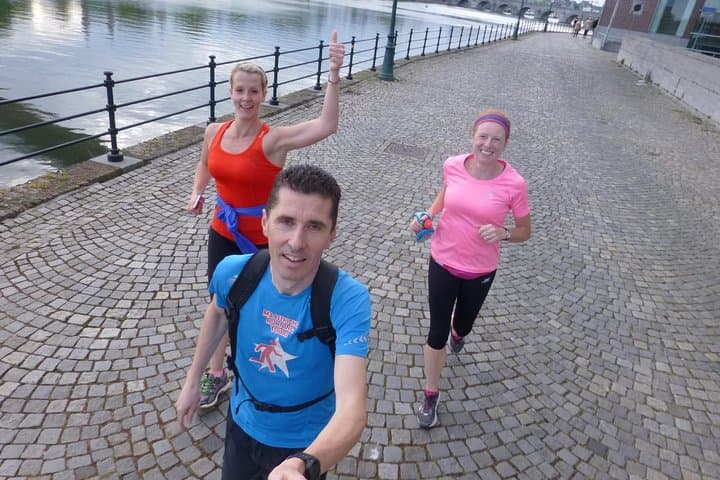
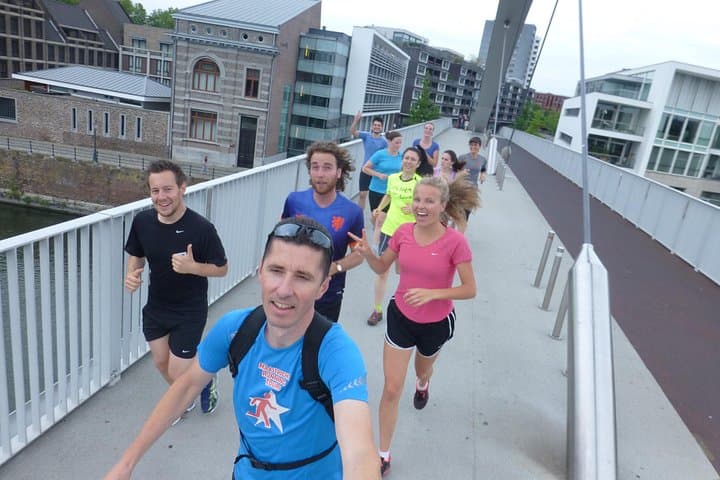
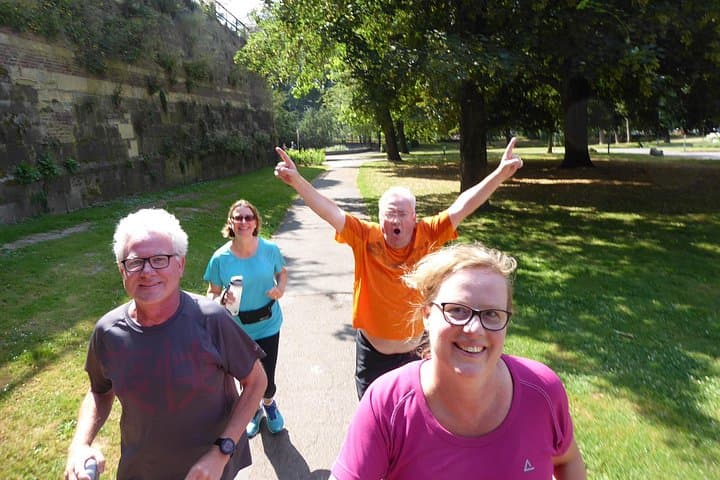
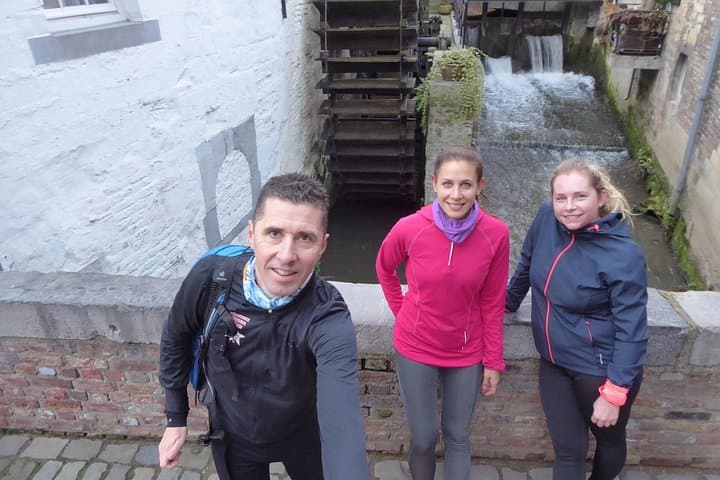
Morning light slides over cobblestones as runners thread past the Jeker, the river daring you to keep pace. In 90 minutes the Highlight Running Tour covers roughly 6 km of Maastricht’s oldest lanes: cobbled alleys, fragments of city wall, and the sweep of Vrijthof where the basilica and St. Jan keep quiet watch.
Morning light slides over cobblestones as runners thread past the Jeker, the river daring you to keep pace. In 90 minutes the Highlight Running Tour covers roughly 6 km of Maastricht’s oldest lanes: cobbled alleys, fragments of city wall, and the sweep of Vrijthof where the basilica and St. Jan keep quiet watch.
This city wears history plainly. Roman-era foundations underlie the Stokstraat quarter, the Sint Servaasbrug is the Netherlands’ oldest bridge, and the surrounding limestone — the Maastrichtian chalk — has fossilized the region’s deep past. The former ceramic works in Wyck has been reborn as a cultural quarter, and market squares still echo with trade and invention (look for the Minckeleers statue, the man linked to early gaslight).
Culturally the route passes neighborhoods that trade aristocratic façades for intimate cafés; guides punctuate the run with anecdotes and local tips so you know where to return on foot after the workout.
Practically, expect 6 km on mostly flat urban terrain with short stretches of cobbles and park paths. Moderate fitness is required; the group size stays small and public transport makes access straightforward. Wear road-running shoes with good grip, carry a small bottle, and layer against wind off the Meuse. Guides provide photos and local orientation; service animals are permitted but the tour is not suitable for travelers with serious spinal or cardiac conditions.
Run with curiosity: the city’s stones tell stories, and a steady rhythm reveals details that a bus ride doesn’t — history, geology, and everyday Maastricht compacted into a brisk, informative loop.