THE ADVENTURE COLLECTIVE® · Independent discovery and booking for outdoor travel

Spend two hours with a local guide exploring Maastricht’s medieval gates, the Vrijthof, and the Dominicanenkerk-turned-bookshop. This compact, tip-based walking tour blends history, geology, and local food tips across 4–5 km of mostly flat cobbles.
Spend two hours with a local guide exploring Maastricht’s medieval gates, the Vrijthof, and the Dominicanenkerk-turned-bookshop. This compact, tip-based walking tour blends history, geology, and local food tips across 4–5 km of mostly flat cobbles.
Stepping onto the Vrijthof at midday, the square opens like a public room—stone façades watching over café terraces and church bells marking time. A local guide leads the small group through narrow lanes where cobbles have been smoothed by centuries of footsteps; the Meuse river murmurs nearby, sometimes daring you to follow its bend toward the Belgian border.
Verified experiences and guided adventures in the surrounding area.
Operated by Guided Tour Holland · Maastricht, Limburg
Stepping onto the Vrijthof at midday, the square opens like a public room—stone façades watching over café terraces and church bells marking time. A local guide leads the small group through narrow lanes where cobbles have been smoothed by centuries of footsteps; the Meuse river murmurs nearby, sometimes daring you to follow its bend toward the Belgian border.
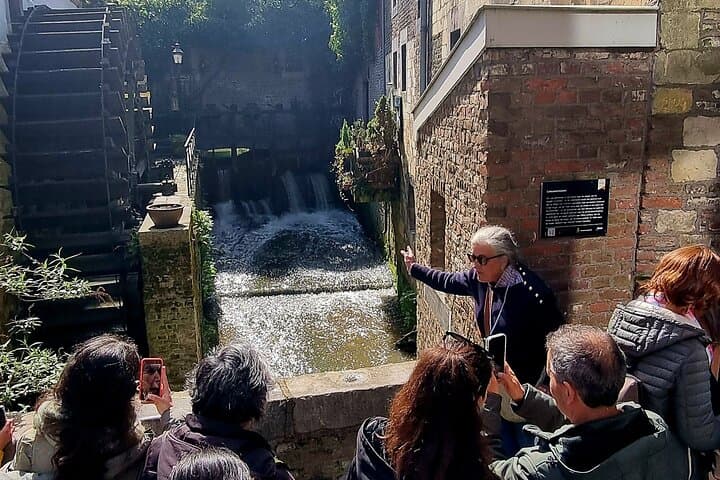
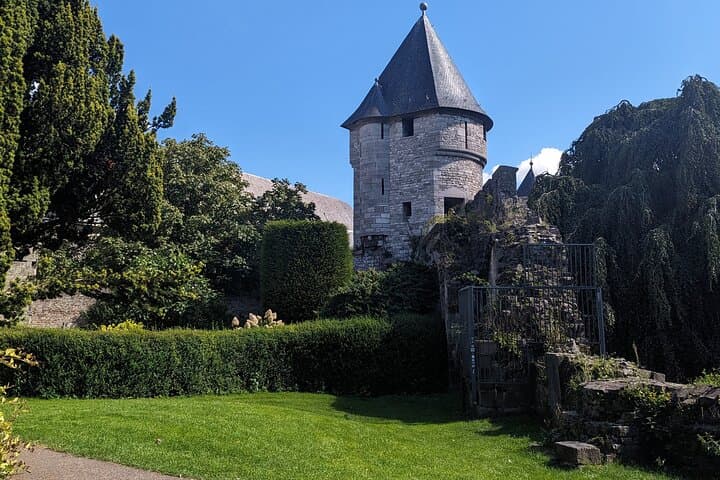
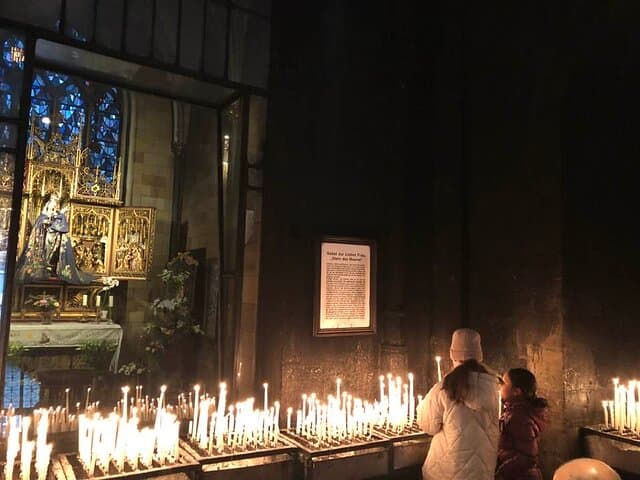
Maastricht’s story is visible in its walls and streets: Roman foundations beneath medieval gates, the Helpoort—one of Europe’s oldest city gates—and the Gothic sweep of the Dominicanenkerk, now a bookshop. Geologically the region gives up its secrets too: the term “Maastrichtian” in geology is named for the local Cretaceous limestone and marl that form St. Pietersberg and the quarried caves below the city. Culturally, Maastricht feels slightly apart from the rest of the Netherlands—Limburgish dialects and a cross-border cuisine reflect centuries of trade with Belgium and Germany.
Practicalities are straightforward. The tour covers about 4–5 km (2–3 miles) over mostly flat but cobbled ground, with plenty of stops for stories and local recommendations for food and drink. It runs in English, is tip-based, and is suitable for families and visitors of varied fitness; it’s also wheelchair accessible on main routes. Bring comfortable shoes, a small rain layer (weather changes quickly), and a charged phone for photos and maps. Arrive 10 minutes early at Vrijthof to meet the guide and get settled—then let the city’s layered history walk toward you.
easy.
2 hours.
Suitable for most fitness levels; involves walking 4–5 km on paved and cobbled streets.
Yes—routes are stroller- and wheelchair-accessible on the main streets; guides note any short steps or narrow passages in advance.
Expect roughly 4–5 km (2–3 miles) over two hours with frequent stops for storytelling and photos.
This tour is conducted in English; check availability for other languages when booking.
Yes, the experience is tip-based; most guides accept cash and many accept card or app payments—ask before the tour ends.
Maastricht’s layers reflect Roman settlement, medieval fortifications like the Helpoort, and centuries of borderland commerce; the local Cretaceous limestone even gave its name to the Maastrichtian geological age.
St. Pietersberg caves and surrounding habitats are protected—stay on marked paths, avoid graffiti, and support local businesses to keep tourism sustainable.
Guided Tour Holland operates guided outdoor trips and adventures with an emphasis on safety, stewardship, and memorable experiences.
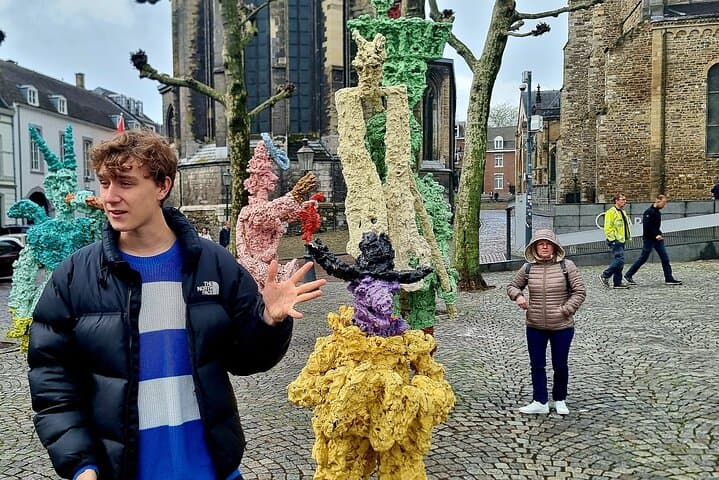
Stepping onto the Vrijthof at midday, the square opens like a public room—stone façades watching over café terraces and church bells marking time. A local guide leads the small group through narrow lanes where cobbles have been smoothed by centuries of footsteps; the Meuse river murmurs nearby, sometimes daring you to follow its bend toward the Belgian border.
Stepping onto the Vrijthof at midday, the square opens like a public room—stone façades watching over café terraces and church bells marking time. A local guide leads the small group through narrow lanes where cobbles have been smoothed by centuries of footsteps; the Meuse river murmurs nearby, sometimes daring you to follow its bend toward the Belgian border.
Maastricht’s story is visible in its walls and streets: Roman foundations beneath medieval gates, the Helpoort—one of Europe’s oldest city gates—and the Gothic sweep of the Dominicanenkerk, now a bookshop. Geologically the region gives up its secrets too: the term “Maastrichtian” in geology is named for the local Cretaceous limestone and marl that form St. Pietersberg and the quarried caves below the city. Culturally, Maastricht feels slightly apart from the rest of the Netherlands—Limburgish dialects and a cross-border cuisine reflect centuries of trade with Belgium and Germany.
Practicalities are straightforward. The tour covers about 4–5 km (2–3 miles) over mostly flat but cobbled ground, with plenty of stops for stories and local recommendations for food and drink. It runs in English, is tip-based, and is suitable for families and visitors of varied fitness; it’s also wheelchair accessible on main routes. Bring comfortable shoes, a small rain layer (weather changes quickly), and a charged phone for photos and maps. Arrive 10 minutes early at Vrijthof to meet the guide and get settled—then let the city’s layered history walk toward you.