THE ADVENTURE COLLECTIVE® · Independent discovery and booking for outdoor travel

Experience Maasai song, dance, and craft on Zanzibar with a private two-hour village visit that blends hands-on activities, cultural explanation, and a short archery session. Ideal for curious travelers seeking a concise, respectful introduction to Maasai life.
Experience Maasai song, dance, and craft on Zanzibar with a private two-hour village visit that blends hands-on activities, cultural explanation, and a short archery session. Ideal for curious travelers seeking a concise, respectful introduction to Maasai life.
You step off the minibus and the village greets you with a steady rhythm—voices, drums, and the faint scrape of sandals on packed sand. The Indian Ocean tugs at the nearby shore as if inviting you to stay longer, while the compound’s open huts form a ring that frames the performance area. Within two hours you’ll meet the people, learn a few steps, try a bow-and-arrow, and leave with a clearer sense of Maasai daily life as presented in Zanzibar.
Verified experiences and guided adventures in the surrounding area.
Operated by Maasai World · Stone Town, Zanzibar
You step off the minibus and the village greets you with a steady rhythm—voices, drums, and the faint scrape of sandals on packed sand. The Indian Ocean tugs at the nearby shore as if inviting you to stay longer, while the compound’s open huts form a ring that frames the performance area. Within two hours you’ll meet the people, learn a few steps, try a bow-and-arrow, and leave with a clearer sense of Maasai daily life as presented in Zanzibar.
The Maasai are a Nilotic people whose pastoralist culture originates in northern Tanzania and southern Kenya; here on Zanzibar their traditions are shared through storytelling, song, cloth, and craft. Geologically, Zanzibar is coral limestone—its soils and waters shape different livelihoods than the mainland savanna where the Maasai historically grazed cattle. That contrast is part of the visit: culture transported to an island context and presented for exchange.
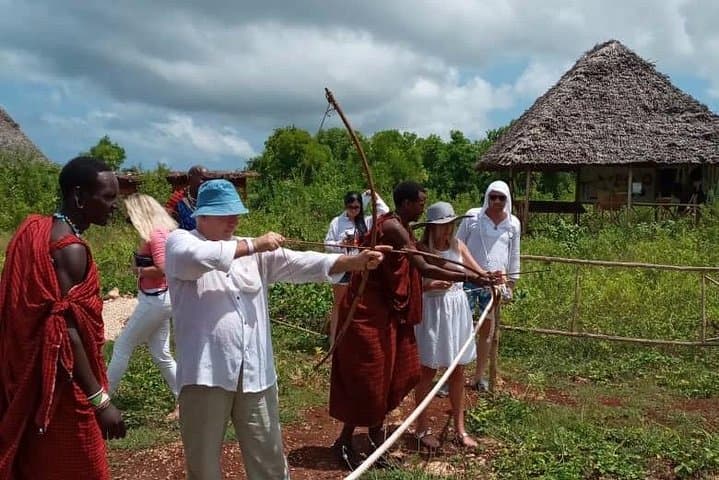
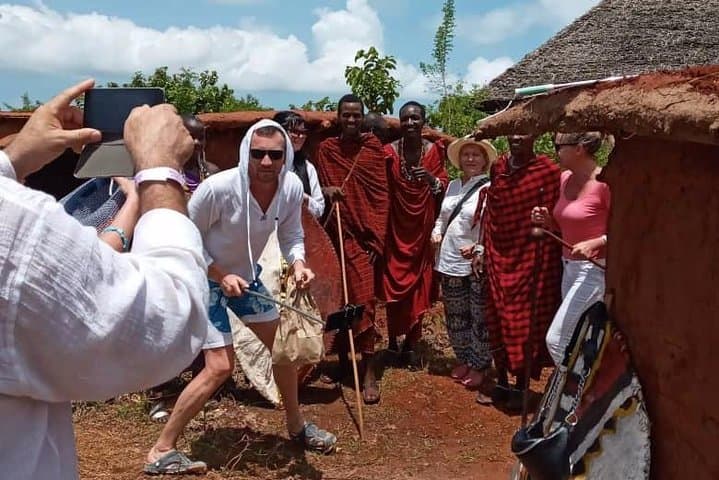
Expect hands-on demonstrations of beadwork, traditional dress, and a short archery activity. Performances are energetic and direct; musicians and dancers guide visitors through call-and-response songs. Local insights include a look at everyday tools and a chance to ask about naming, rites, and craft techniques.
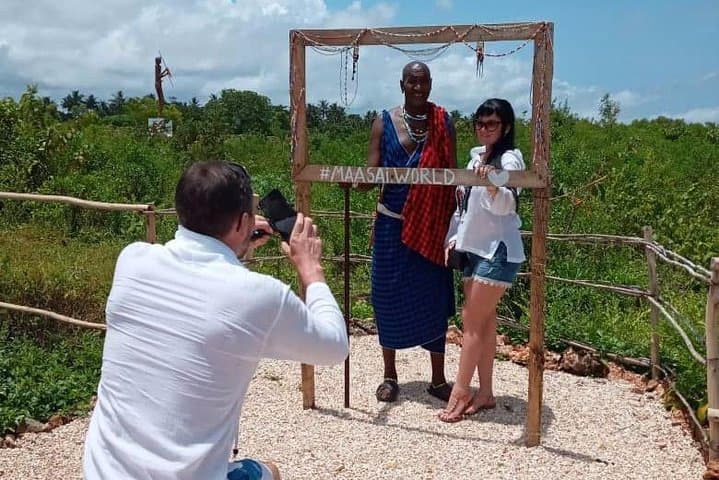
Practical guidance: the tour is family-friendly and physically easy—flat walking on sand and compact paths. Wear sun protection, bring local cash for small purchases, and plan travel time from Stone Town (about 30–60 minutes depending on traffic). Respect requests around photos, follow hosts’ lead in activities, and arrive 10 minutes early to organize transport and seating.
easy.
2 hours.
Minimal fitness required; flat terrain and low exertion activities.
The activity runs about two hours and is designed as a concise cultural visit with demonstrations and hands-on activities.
Yes—hosts welcome families; terrain is easy and there are kid-friendly activities like dancing and simple archery.
Yes, beadwork and textiles are commonly offered for sale; bring small cash and check prices before purchasing.
Most operators include pickup or can advise local transport; plan for 30–60 minutes travel time depending on your accommodation location.
The Maasai originate from northern Tanzania and southern Kenya; on Zanzibar, Maasai cultural presentations are adapted for island audiences while preserving core elements like beadwork, song, and pastoral stories.
Choose operators that support locally run programs and fair pay; avoid interactions that use or exploit animals and favor experiences that reinvest in the community.
Maasai World operates guided outdoor trips and adventures with an emphasis on safety, stewardship, and memorable experiences.
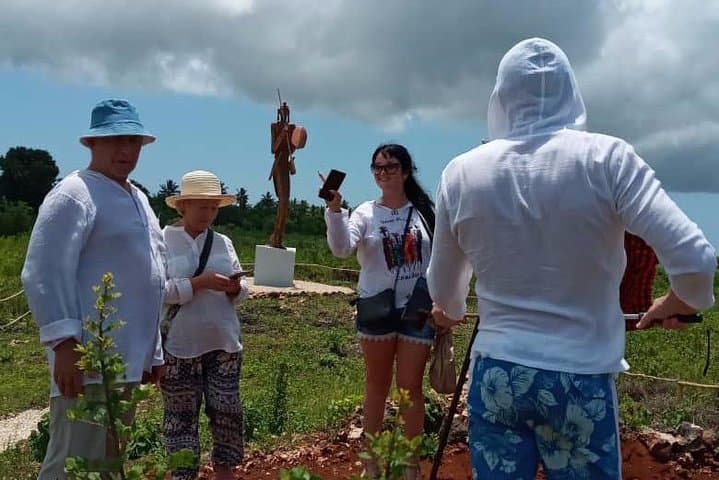
You step off the minibus and the village greets you with a steady rhythm—voices, drums, and the faint scrape of sandals on packed sand. The Indian Ocean tugs at the nearby shore as if inviting you to stay longer, while the compound’s open huts form a ring that frames the performance area. Within two hours you’ll meet the people, learn a few steps, try a bow-and-arrow, and leave with a clearer sense of Maasai daily life as presented in Zanzibar.
You step off the minibus and the village greets you with a steady rhythm—voices, drums, and the faint scrape of sandals on packed sand. The Indian Ocean tugs at the nearby shore as if inviting you to stay longer, while the compound’s open huts form a ring that frames the performance area. Within two hours you’ll meet the people, learn a few steps, try a bow-and-arrow, and leave with a clearer sense of Maasai daily life as presented in Zanzibar.
The Maasai are a Nilotic people whose pastoralist culture originates in northern Tanzania and southern Kenya; here on Zanzibar their traditions are shared through storytelling, song, cloth, and craft. Geologically, Zanzibar is coral limestone—its soils and waters shape different livelihoods than the mainland savanna where the Maasai historically grazed cattle. That contrast is part of the visit: culture transported to an island context and presented for exchange.
Expect hands-on demonstrations of beadwork, traditional dress, and a short archery activity. Performances are energetic and direct; musicians and dancers guide visitors through call-and-response songs. Local insights include a look at everyday tools and a chance to ask about naming, rites, and craft techniques.
Practical guidance: the tour is family-friendly and physically easy—flat walking on sand and compact paths. Wear sun protection, bring local cash for small purchases, and plan travel time from Stone Town (about 30–60 minutes depending on traffic). Respect requests around photos, follow hosts’ lead in activities, and arrive 10 minutes early to organize transport and seating.