THE ADVENTURE COLLECTIVE® · Independent discovery and booking for outdoor travel

Step out of Nairobi and into a living Maasai community: watch beadwork, hear traditional songs, and learn about pastoral life on the red plains. This seven-hour tour blends cultural insight with practical guidance for respectful visiting.
Step out of Nairobi and into a living Maasai community: watch beadwork, hear traditional songs, and learn about pastoral life on the red plains. This seven-hour tour blends cultural insight with practical guidance for respectful visiting.
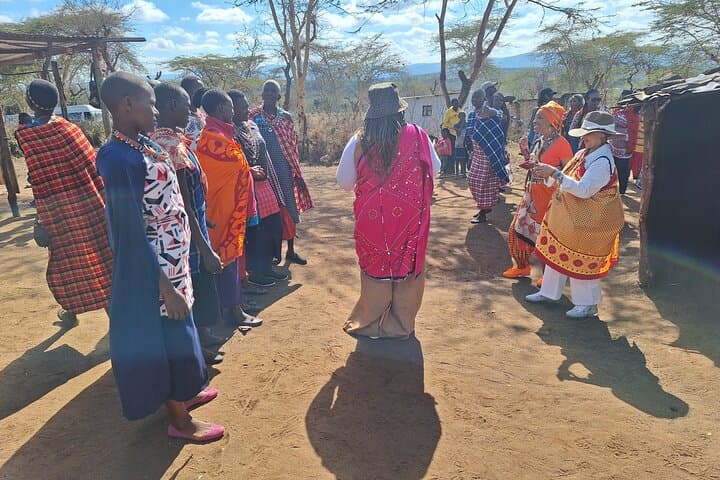
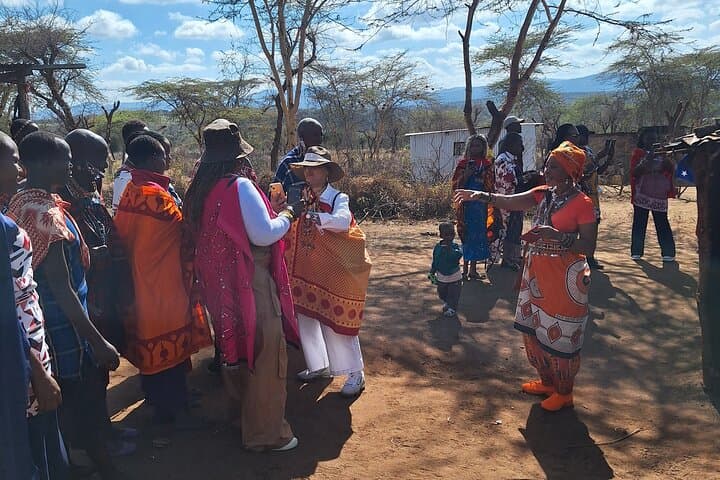
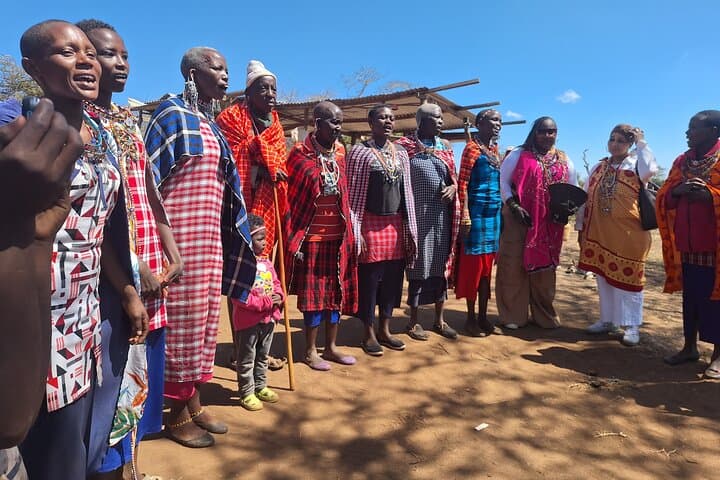
You arrive from Nairobi across a ribbon of red-earth plains, acacia silhouettes punctuating the horizon. The village opens like a living classroom: low, circular mud-and-stick homes, children darting between goat pens, and elders seated under a sunbaked thorn tree. Songs begin — call-and-response chants that measure time by rhythm rather than clock.
Verified experiences and guided adventures in the surrounding area.
Operated by Bionic safaris · Kajiado, Kajiado County
You arrive from Nairobi across a ribbon of red-earth plains, acacia silhouettes punctuating the horizon. The village opens like a living classroom: low, circular mud-and-stick homes, children darting between goat pens, and elders seated under a sunbaked thorn tree. Songs begin — call-and-response chants that measure time by rhythm rather than clock.
The Maasai are semi-nomadic pastoralists whose presence in southern Kenya and northern Tanzania stretches back centuries. Their culture centers on cattle, age-set traditions, and distinctive beadwork that records status, story, and skill. Geology frames the visit: lateritic soils and open savanna grasses shaped by seasonal rains, with the Rift Valley’s silhouette visible on clearer days.
In the village you’ll watch beadwork being made, learn basic greetings, and see traditional dances where high jumps and percussive chants punctuate the air. Guides (often community members) explain rites of passage, housing construction, and livestock management with straightforward detail.
Practicalities: tours from Nairobi normally include private transport and bottled water and run about seven hours round-trip, allowing for driving, village time, and stops. Wear sturdy closed-toe shoes for uneven ground, sun protection, and carry small Kenyan shillings for crafts—haggling is part of the exchange but remain respectful. Photography is usually welcomed but always ask before shooting people; many families will pose for a small fee.
Expect an active, low-impact cultural visit: it’s sensory and conversational rather than physically demanding, offering a clear window into a living tradition while supporting local guides and craft economies.
easy.
7 hours.
Suitable for most fitness levels; minimal walking over uneven ground and short climbs into kraals (livestock enclosures).
Most Maasai village tours run about 1–2 hours each way depending on traffic and the village location; total tour time is typically around seven hours.
Tours vary, but reputable operators partner with real communities where daily life and cultural demonstrations are combined—ask whether proceeds support local projects before booking.
Yes—beadwork and small crafts are commonly sold by village artisans; carry small denominations of Kenyan shillings and be prepared to negotiate respectfully.
Some providers and village areas offer wheelchair-accessible options, but accessibility can vary—confirm with the operator before booking and note uneven surfaces in communal areas.
The Maasai are Cushitic-speaking pastoralists whose social systems and cattle-centered economy have shaped the high plains of southern Kenya and northern Tanzania for generations.
Many village tours contribute directly to community income, but visitors should avoid single-use plastics, support ethical craft purchases, and follow guidance to minimize disturbance to livestock and wildlife.
Bionic safaris operates guided outdoor trips and adventures with an emphasis on safety, stewardship, and memorable experiences.

You arrive from Nairobi across a ribbon of red-earth plains, acacia silhouettes punctuating the horizon. The village opens like a living classroom: low, circular mud-and-stick homes, children darting between goat pens, and elders seated under a sunbaked thorn tree. Songs begin — call-and-response chants that measure time by rhythm rather than clock.
You arrive from Nairobi across a ribbon of red-earth plains, acacia silhouettes punctuating the horizon. The village opens like a living classroom: low, circular mud-and-stick homes, children darting between goat pens, and elders seated under a sunbaked thorn tree. Songs begin — call-and-response chants that measure time by rhythm rather than clock.
The Maasai are semi-nomadic pastoralists whose presence in southern Kenya and northern Tanzania stretches back centuries. Their culture centers on cattle, age-set traditions, and distinctive beadwork that records status, story, and skill. Geology frames the visit: lateritic soils and open savanna grasses shaped by seasonal rains, with the Rift Valley’s silhouette visible on clearer days.
In the village you’ll watch beadwork being made, learn basic greetings, and see traditional dances where high jumps and percussive chants punctuate the air. Guides (often community members) explain rites of passage, housing construction, and livestock management with straightforward detail.
Practicalities: tours from Nairobi normally include private transport and bottled water and run about seven hours round-trip, allowing for driving, village time, and stops. Wear sturdy closed-toe shoes for uneven ground, sun protection, and carry small Kenyan shillings for crafts—haggling is part of the exchange but remain respectful. Photography is usually welcomed but always ask before shooting people; many families will pose for a small fee.
Expect an active, low-impact cultural visit: it’s sensory and conversational rather than physically demanding, offering a clear window into a living tradition while supporting local guides and craft economies.