THE ADVENTURE COLLECTIVE® · Independent discovery and booking for outdoor travel

Head into the Maasai Mara for a three-day private safari that combines classic game drives, river crossings and cultural visits with comfortable camp options. Expect long days of wildlife viewing, early starts and landscape-shaped light ideal for photography.
Head into the Maasai Mara for a three-day private safari that combines classic game drives, river crossings and cultural visits with comfortable camp options. Expect long days of wildlife viewing, early starts and landscape-shaped light ideal for photography.
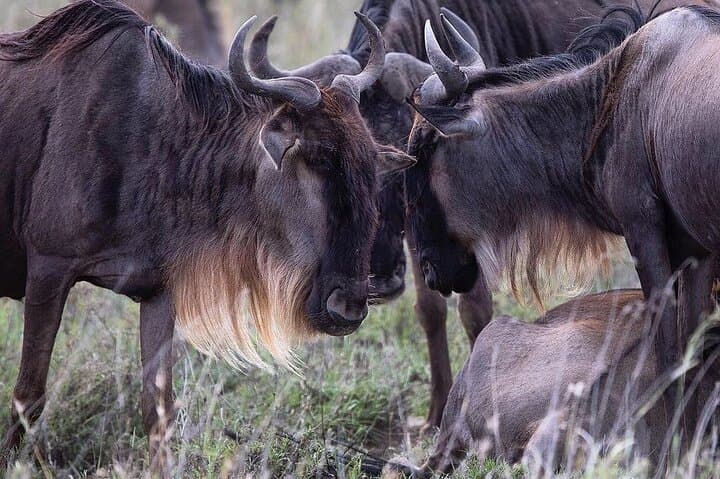
The Land Rover bumps onto red-dust track as dawn pulls a cool edge across an endless grassland. Acacia crowns silhouette against a pale sky; a distant thunder of hooves signals wildebeest on the move. This is the Mara—open, raw and alive—where game drives turn observation into a practiced art.
Verified experiences and guided adventures in the surrounding area.
Operated by SB Safaris Kenya · Masai Mara, Narok County
The Land Rover bumps onto red-dust track as dawn pulls a cool edge across an endless grassland. Acacia crowns silhouette against a pale sky; a distant thunder of hooves signals wildebeest on the move. This is the Mara—open, raw and alive—where game drives turn observation into a practiced art.
The reserve sits on the floor of an East African rift, its plains formed by ancient volcanic ash and riverine sediments that feed the Mara River. The name comes from the Maasai people, whose pastoral culture and conservancy partnerships shape land use and wildlife protection across Narok County.
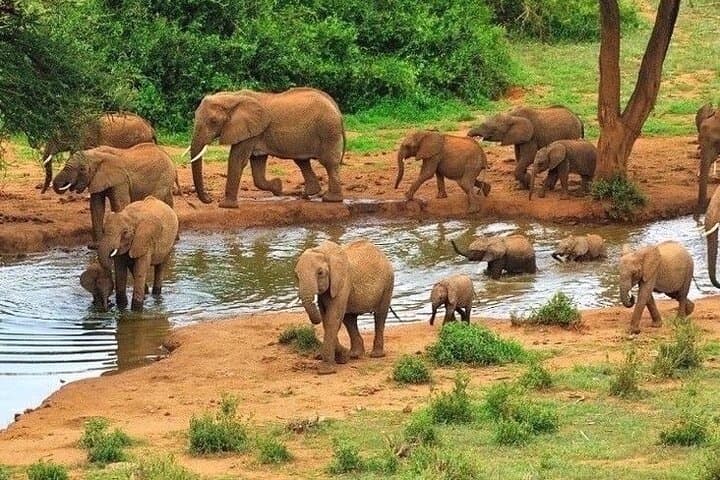
Expect rolling savanna, riverine corridors and the steep Oloololo Escarpment that frames vast views. Wildlife viewing is the main draw: stalking lions, crossing wildebeest, and hippos clustered in shaded pools. Cultural visits to Maasai villages offer context—learn about beadwork, cattle traditions and contemporary conservation efforts.
Practically, this expedition is often run as a private three-day outing from Nairobi with early starts and long drives into prime habitat. Game drives are conducted in modified 4x4 vehicles; mornings and late afternoons are most active for wildlife. Bring layered clothing for chilly mornings, sun protection for noon, and a good pair of binoculars. Hydrate and pace photography to avoid glare and engine noise that spooks animals.
Logistics: transfers from Nairobi typically take 4–6 hours depending on route, so plan buffer days. Respect park rules: no off-road driving, keep safe distance from wildlife, and follow ranger instructions. With responsible planning, a Mara safari is an efficient, high-reward immersion into one of Africa’s richest wildlife landscapes.
moderate.
3 days.
Light-to-moderate fitness for multiple hours in vehicle and short walks; no sustained trekking required
Many departures begin in Nairobi with an early morning transfer; some operators arrange pick-ups from hotels or Wilson Airport for small charter flights.
Yes—private tours often welcome children, but infants may be required to sit on laps and operators may have age or safety restrictions for certain activities.
Check with a travel clinic—yellow fever requirements depend on origin country; malaria prophylaxis is commonly recommended for the Mara region.
Tipping is customary and appreciated; follow local guidance or your operator’s recommendation—typically per-day amounts for guides and communal tips for camp staff.
The Maasai communities have grazed this ecosystem for generations; the reserve’s name reflects the Maasai people and the patterned appearance of the landscape.
Community conservancies and tourism fees fund anti-poaching and land stewardship; visitors can support local guides and enterprises that reinvest in conservation.
SB Safaris Kenya operates guided outdoor trips and adventures with an emphasis on safety, stewardship, and memorable experiences.
The Land Rover bumps onto red-dust track as dawn pulls a cool edge across an endless grassland. Acacia crowns silhouette against a pale sky; a distant thunder of hooves signals wildebeest on the move. This is the Mara—open, raw and alive—where game drives turn observation into a practiced art.
The Land Rover bumps onto red-dust track as dawn pulls a cool edge across an endless grassland. Acacia crowns silhouette against a pale sky; a distant thunder of hooves signals wildebeest on the move. This is the Mara—open, raw and alive—where game drives turn observation into a practiced art.
The reserve sits on the floor of an East African rift, its plains formed by ancient volcanic ash and riverine sediments that feed the Mara River. The name comes from the Maasai people, whose pastoral culture and conservancy partnerships shape land use and wildlife protection across Narok County.
Expect rolling savanna, riverine corridors and the steep Oloololo Escarpment that frames vast views. Wildlife viewing is the main draw: stalking lions, crossing wildebeest, and hippos clustered in shaded pools. Cultural visits to Maasai villages offer context—learn about beadwork, cattle traditions and contemporary conservation efforts.
Practically, this expedition is often run as a private three-day outing from Nairobi with early starts and long drives into prime habitat. Game drives are conducted in modified 4x4 vehicles; mornings and late afternoons are most active for wildlife. Bring layered clothing for chilly mornings, sun protection for noon, and a good pair of binoculars. Hydrate and pace photography to avoid glare and engine noise that spooks animals.
Logistics: transfers from Nairobi typically take 4–6 hours depending on route, so plan buffer days. Respect park rules: no off-road driving, keep safe distance from wildlife, and follow ranger instructions. With responsible planning, a Mara safari is an efficient, high-reward immersion into one of Africa’s richest wildlife landscapes.