THE ADVENTURE COLLECTIVE® · Independent discovery and booking for outdoor travel

A six-day safari from Nairobi into the Maasai Mara delivers close wildlife encounters, Maasai cultural insights and long, light-filled days on the savanna. Read on for what to expect, seasonal advice and practical packing tips.
A six-day safari from Nairobi into the Maasai Mara delivers close wildlife encounters, Maasai cultural insights and long, light-filled days on the savanna. Read on for what to expect, seasonal advice and practical packing tips.
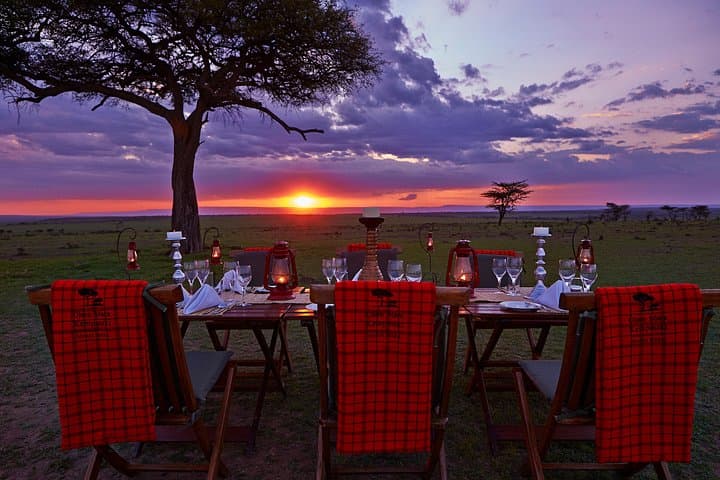
You step out of Nairobi’s dust into a wide, breathing grassland where the horizon is a living line of animals and acacia silhouettes. Early mornings bring low light and the smell of wet earth after sporadic rains; afternoons stretch hot and slow while drivers thread narrow tracks through tens of thousands of grazers.
Verified experiences and guided adventures in the surrounding area.
Operated by Africa220 Destination Specialist East Africa · Maasai Mara, Narok County
You step out of Nairobi’s dust into a wide, breathing grassland where the horizon is a living line of animals and acacia silhouettes. Early mornings bring low light and the smell of wet earth after sporadic rains; afternoons stretch hot and slow while drivers thread narrow tracks through tens of thousands of grazers.
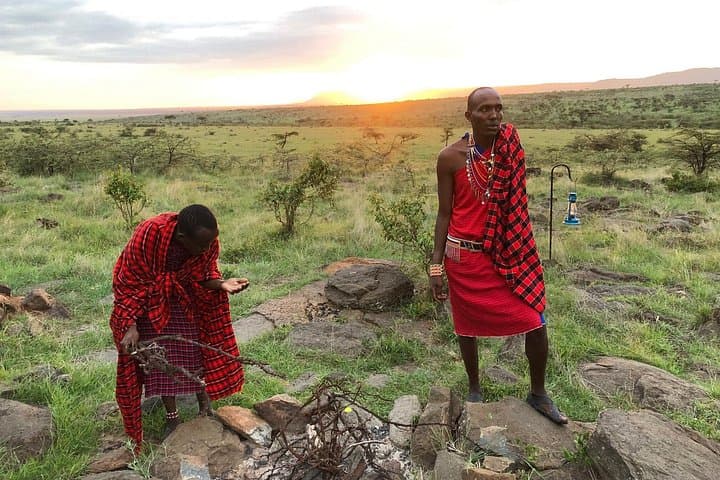
This six-day loop from Nairobi to the Maasai Mara traces a landscape shaped by the East African Rift: sweeping savanna, riverine woodlands and escarpments that funnel wildlife. The Mara’s name comes from the Maasai people who have grazed cattle here for generations; visits often include cultural exchanges with local communities alongside game drives that search for lions, elephants, cheetahs and the seasonal movements of wildebeest.
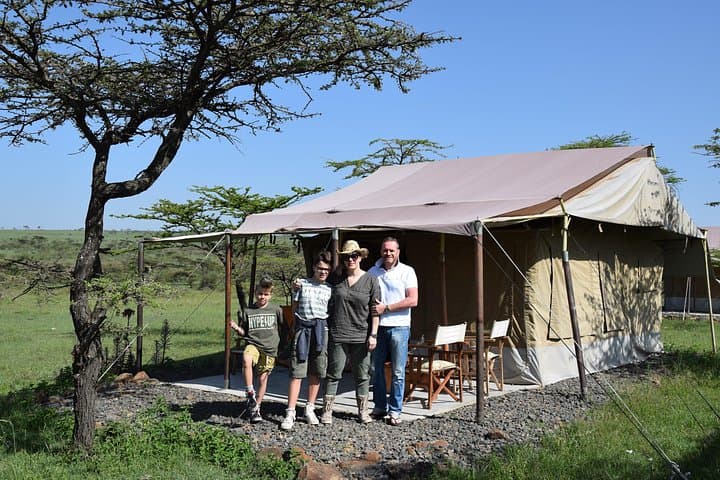
Geology and ecology combine to create one of Africa’s most productive wildlife arenas — grassy plains over volcanic soils, rivers like the Mara daring animals to cross under crocodile-strewn banks. Lodges and mobile camps sit lightly on the land, offering close-up viewing with minimal footprint.
Practical guidance: pack binoculars, neutral clothing and sun protection; expect long game-drive days and early starts (pre-dawn departures maximize sightings). Meals and basic water are included, and small-group limits keep encounters personal; evacuation insurance is provided. Weather dictates what you’ll see and how dusty roads will be, so time your trip for the dry season if crossings and high visibility matter. Bring local currency for tips and market purchases, and be prepared for slow internet and stellar night skies — the Mara rewards patience and quiet observation more than speed.
easy.
6 days.
Low-impact: suitable for travelers in generally good health who can tolerate several hours in a vehicle and short walks
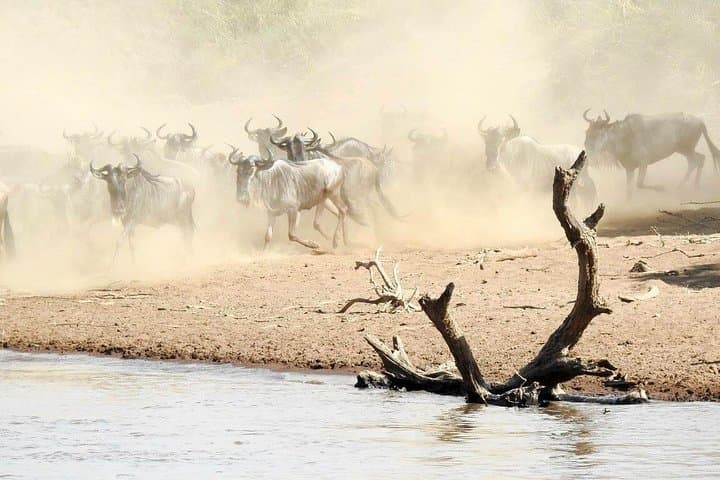
Peak migration movement through the Maasai Mara is often between July and October, though exact timing varies by year and rains—check recent reports before booking.
Routine vaccinations are recommended; yellow fever may be required for some visitors and anti-malarial prophylaxis is advised—consult a travel clinic for personalized advice.
Many operators allow children but recommend supervised behavior and restraint use in vehicles; check age restrictions and safety policies with the provider.
Tipping guides and camp staff is customary; budgets commonly recommend $10–$20 per person per day for guides and smaller amounts for lodge staff, adjusted for service quality.
The Maasai Mara is named after the Maasai people and is part of a larger ecosystem contiguous with Tanzania’s Serengeti, historically shaped by pastoralism and seasonal migrations.
Conservation efforts focus on community-led tourism, anti-poaching patrols and land-use agreements that keep migration corridors open while supporting local livelihoods.
Africa220 Destination Specialist East Africa operates guided outdoor trips and adventures with an emphasis on safety, stewardship, and memorable experiences.
You step out of Nairobi’s dust into a wide, breathing grassland where the horizon is a living line of animals and acacia silhouettes. Early mornings bring low light and the smell of wet earth after sporadic rains; afternoons stretch hot and slow while drivers thread narrow tracks through tens of thousands of grazers.
You step out of Nairobi’s dust into a wide, breathing grassland where the horizon is a living line of animals and acacia silhouettes. Early mornings bring low light and the smell of wet earth after sporadic rains; afternoons stretch hot and slow while drivers thread narrow tracks through tens of thousands of grazers.
This six-day loop from Nairobi to the Maasai Mara traces a landscape shaped by the East African Rift: sweeping savanna, riverine woodlands and escarpments that funnel wildlife. The Mara’s name comes from the Maasai people who have grazed cattle here for generations; visits often include cultural exchanges with local communities alongside game drives that search for lions, elephants, cheetahs and the seasonal movements of wildebeest.
Geology and ecology combine to create one of Africa’s most productive wildlife arenas — grassy plains over volcanic soils, rivers like the Mara daring animals to cross under crocodile-strewn banks. Lodges and mobile camps sit lightly on the land, offering close-up viewing with minimal footprint.
Practical guidance: pack binoculars, neutral clothing and sun protection; expect long game-drive days and early starts (pre-dawn departures maximize sightings). Meals and basic water are included, and small-group limits keep encounters personal; evacuation insurance is provided. Weather dictates what you’ll see and how dusty roads will be, so time your trip for the dry season if crossings and high visibility matter. Bring local currency for tips and market purchases, and be prepared for slow internet and stellar night skies — the Mara rewards patience and quiet observation more than speed.