THE ADVENTURE COLLECTIVE® · Independent discovery and booking for outdoor travel

Leave Nakuru at dawn and cross Rift Valley plains toward the Maasai Mara for two days of tented-camp game drives, a Maasai village visit, and return to Nakuru or drop at Narok. This accessible 3-day safari pairs wildlife viewing with cultural encounters.
Leave Nakuru at dawn and cross Rift Valley plains toward the Maasai Mara for two days of tented-camp game drives, a Maasai village visit, and return to Nakuru or drop at Narok. This accessible 3-day safari pairs wildlife viewing with cultural encounters.
Dust lifts from the gravel road as the safari vehicle breaks away from Nakuru at dawn; acacia silhouettes slide past the windows and the Mara’s broad horizon pulls you forward. On arrival, the camp sits low and simple—canvas flaps, a cooking fire, and the grasses that roll away like a living plain. The first afternoon unspools with a visit to a Maasai village where song and handcrafted beadwork ground the trip in living culture.
Verified experiences and guided adventures in the surrounding area.
Operated by Homebase gardens safaris · Narok, Narok County
Dust lifts from the gravel road as the safari vehicle breaks away from Nakuru at dawn; acacia silhouettes slide past the windows and the Mara’s broad horizon pulls you forward. On arrival, the camp sits low and simple—canvas flaps, a cooking fire, and the grasses that roll away like a living plain. The first afternoon unspools with a visit to a Maasai village where song and handcrafted beadwork ground the trip in living culture.
Geologically the Mara is the western limb of the Serengeti ecosystem, a largely flat expanse cut by seasonal rivers and dotted with rocky kopjes that afford panoramic game viewing. Narok County’s human history is written in pastoral corridors—Maasai grazing patterns still shape how herds and predators move across the land.
Expect full-day game drives that chase sunrise and late-afternoon light; rivers will sometimes force a detour, and the plains themselves can push a sense of scale on you. Wildlife sightings range from grazing zebra and wildebeest to lions lazing on shaded rocks, and the air often smells faintly of dust and dry grass.
Practically: departures typically start early from Nakuru with roughly 4–6 hours of road time to the reserve (depending on route and conditions). Accommodation is in simple tented camp style with meals included. Pack neutral clothing, sun protection, binoculars, and motion-sickness remedies for rough roads. Bring small bills for village purchases and tipping. Early mornings are cold, afternoons hot; layer accordingly.
This trip suits travelers seeking immersive wildlife viewing with basic comfort—engineered for long looks at big game, cultural exchange, and straightforward logistics rather than luxury.
easy.
3 days (approx. 72 hours).
Minimal fitness required; able to board/exit a safari vehicle and walk short distances at camp and in village settings.
Expect roughly 4–6 hours of road time depending on route, traffic, and road conditions; some operators stop en route for breaks.
This itinerary lists entrance fees and meals (breakfasts, lunches, dinners) as included—confirm specific inclusions at booking time.
Accommodation is basic tented camp style—simple beds and communal facilities typical of budget-friendly safari camping.
The tour notes wheelchair accessibility and suitability for all physical fitness levels, but check with the operator about specific mobility needs and child policies.
The Maasai people have grazed cattle across the Mara for generations; the reserve was shaped by colonial-era boundaries and post-independence conservation efforts.
Conservation here balances tourism revenue with community land use; visitors are encouraged to respect local guidelines, avoid off-road driving, and support community-run initiatives.
Homebase gardens safaris operates guided outdoor trips and adventures with an emphasis on safety, stewardship, and memorable experiences.
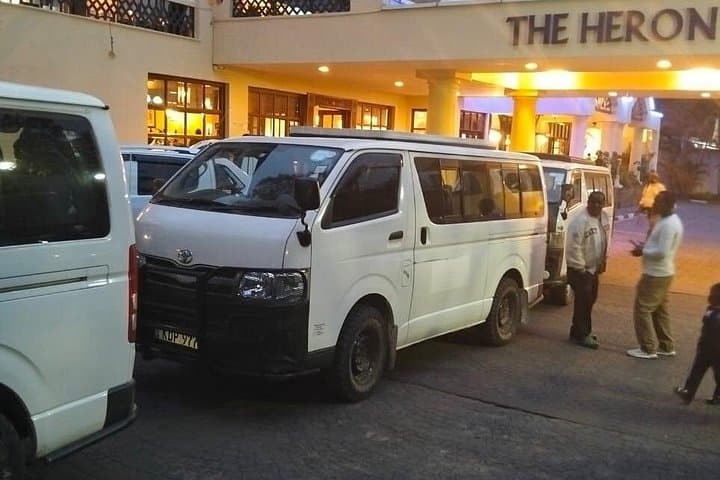
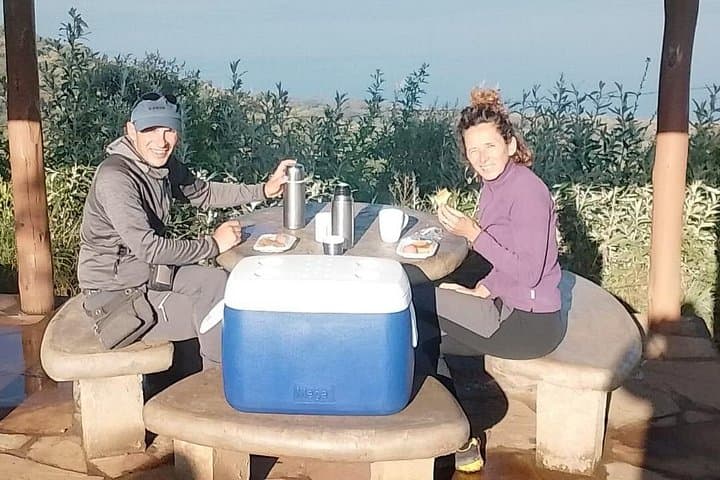

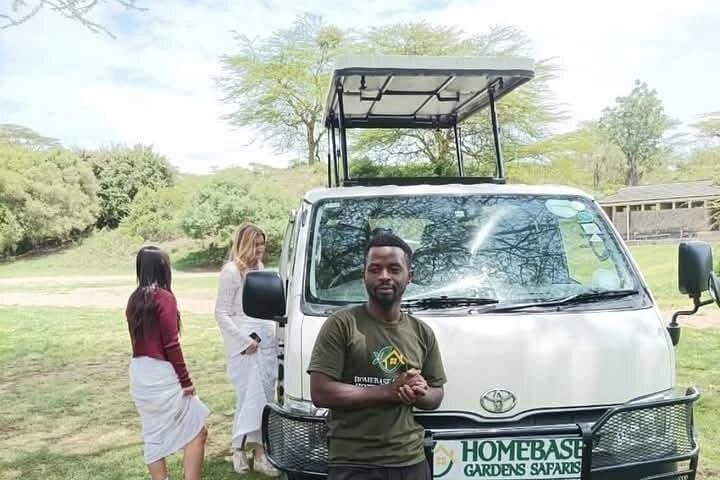
Dust lifts from the gravel road as the safari vehicle breaks away from Nakuru at dawn; acacia silhouettes slide past the windows and the Mara’s broad horizon pulls you forward. On arrival, the camp sits low and simple—canvas flaps, a cooking fire, and the grasses that roll away like a living plain. The first afternoon unspools with a visit to a Maasai village where song and handcrafted beadwork ground the trip in living culture.
Dust lifts from the gravel road as the safari vehicle breaks away from Nakuru at dawn; acacia silhouettes slide past the windows and the Mara’s broad horizon pulls you forward. On arrival, the camp sits low and simple—canvas flaps, a cooking fire, and the grasses that roll away like a living plain. The first afternoon unspools with a visit to a Maasai village where song and handcrafted beadwork ground the trip in living culture.
Geologically the Mara is the western limb of the Serengeti ecosystem, a largely flat expanse cut by seasonal rivers and dotted with rocky kopjes that afford panoramic game viewing. Narok County’s human history is written in pastoral corridors—Maasai grazing patterns still shape how herds and predators move across the land.
Expect full-day game drives that chase sunrise and late-afternoon light; rivers will sometimes force a detour, and the plains themselves can push a sense of scale on you. Wildlife sightings range from grazing zebra and wildebeest to lions lazing on shaded rocks, and the air often smells faintly of dust and dry grass.
Practically: departures typically start early from Nakuru with roughly 4–6 hours of road time to the reserve (depending on route and conditions). Accommodation is in simple tented camp style with meals included. Pack neutral clothing, sun protection, binoculars, and motion-sickness remedies for rough roads. Bring small bills for village purchases and tipping. Early mornings are cold, afternoons hot; layer accordingly.
This trip suits travelers seeking immersive wildlife viewing with basic comfort—engineered for long looks at big game, cultural exchange, and straightforward logistics rather than luxury.