THE ADVENTURE COLLECTIVE® · Independent discovery and booking for outdoor travel

A compact three-day safari into the Maasai Mara delivers classic game drives, cultural visits and the chance to witness the Great Migration. This guide covers what to expect, when to go, and how to prepare for long drives and early-morning wildlife watching.
A compact three-day safari into the Maasai Mara delivers classic game drives, cultural visits and the chance to witness the Great Migration. This guide covers what to expect, when to go, and how to prepare for long drives and early-morning wildlife watching.
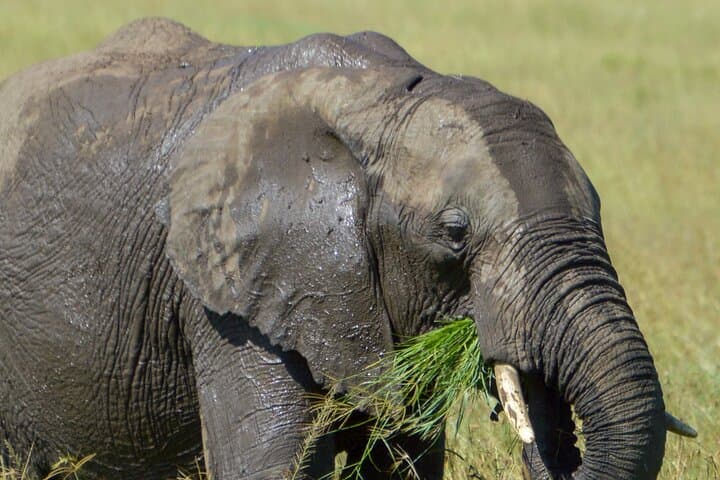
Dawn spills gold across the rolling savanna as your 4x4 threads a track toward a river where silhouettes of wildebeest crowd the banks. The Land Cruiser pauses; binoculars lift. For three days the Mara directs the tempo—early drives when predators hunt, slow afternoons watching elephants browse, and quiet evenings at a tented camp as hippos call from a near marsh.
Verified experiences and guided adventures in the surrounding area.
Operated by Live in Love Kenya tours and travel · Narok, Narok County
Dawn spills gold across the rolling savanna as your 4x4 threads a track toward a river where silhouettes of wildebeest crowd the banks. The Land Cruiser pauses; binoculars lift. For three days the Mara directs the tempo—early drives when predators hunt, slow afternoons watching elephants browse, and quiet evenings at a tented camp as hippos call from a near marsh.
The Maasai Mara, carved into Kenya’s southwest and bordered by the Mara River, sits on ancient tectonic fault lines that shape the escarpment and the wide floodplains that support migrating herds. The reserve takes its name from the Maasai people who have grazed these grasslands for generations; cultural visits introduce that living connection between pastoral life and wildlife stewardship.
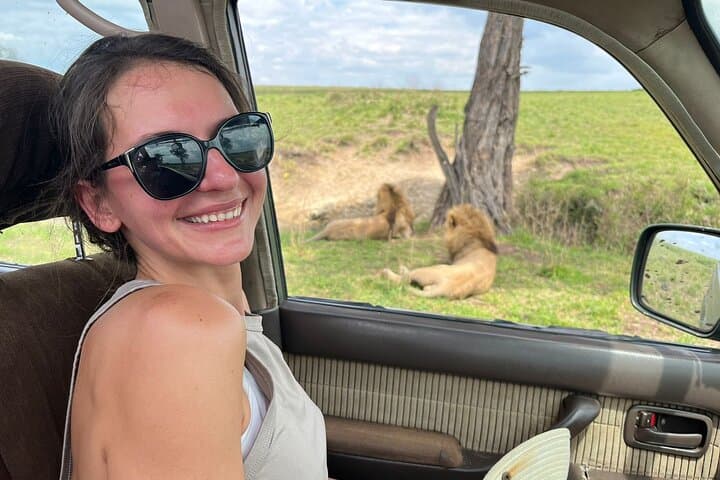
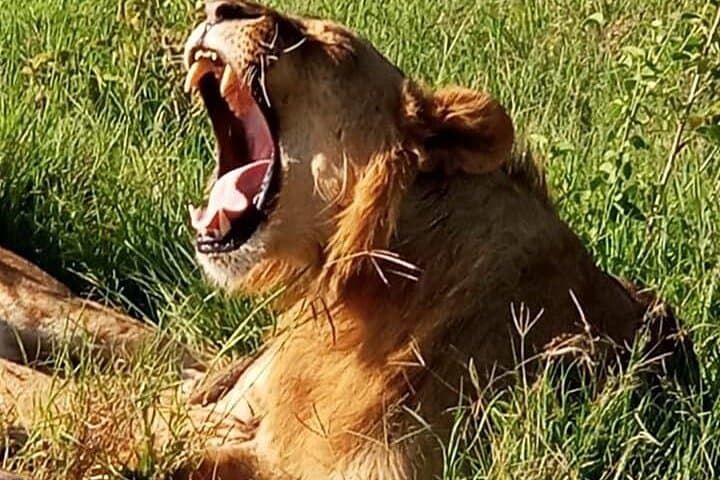
Expect game drives that span open savannah, riverine woodland and pockets of acacia; sightings commonly include lions, leopards, elephant and the dramatic river crossings of the Great Migration (season-dependent). Small conservancies adjacent to the reserve increase viewing options and reduce vehicle congestion.
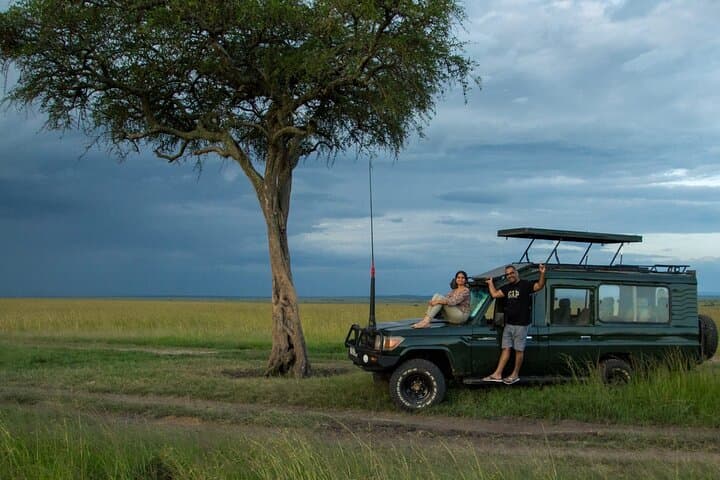
Practicalities: the drive from Nairobi is 5–6 hours (roads vary by season), vehicles are high-clearance 4x4s, and accommodations range from budget lodges to luxury tented camps with full board. Pack a telephoto lens, binoculars, sun protection and a light rain shell for short rains. Morning and late-afternoon drives are best for wildlife; mid-day is for rest and birding.
Respect park rules: stay on tracks, keep noise low and follow ranger guidance. With preparation, a three-day Mara safari balances patient observation, vivid wildlife moments and cultural insight into a landscape that keeps wildlife moving.
easy.
3 days (40–60 hours).
Light: minimal hiking, but tolerates long vehicle hours and occasional short walks on uneven ground.
Peak river crossings are usually July–October when herds move from Tanzania’s Serengeti into the Maasai Mara, though timing varies year to year.
Expect approximately 5–6 hours by road depending on traffic, road conditions and stops; flights to the Mara airstrips shorten travel time if available.
Options vary by booking—this itinerary can include full-board tented camps or lodges; confirm what your package includes and any dietary needs ahead of time.
Yes—many vehicles and camps accommodate children and provide accessible services, but discuss mobility needs with the operator when booking to ensure appropriate arrangements.
The reserve, named after the Maasai people and the Mara River, was formalized in the 1960s; Maasai pastoral culture continues to shape land use around the park.
Community conservancies around the Mara help reduce vehicle pressure and support local livelihoods; travelers reduce impact by staying on tracks, minimizing noise and supporting community-run initiatives.
Live in Love Kenya tours and travel operates guided outdoor trips and adventures with an emphasis on safety, stewardship, and memorable experiences.
Dawn spills gold across the rolling savanna as your 4x4 threads a track toward a river where silhouettes of wildebeest crowd the banks. The Land Cruiser pauses; binoculars lift. For three days the Mara directs the tempo—early drives when predators hunt, slow afternoons watching elephants browse, and quiet evenings at a tented camp as hippos call from a near marsh.
Dawn spills gold across the rolling savanna as your 4x4 threads a track toward a river where silhouettes of wildebeest crowd the banks. The Land Cruiser pauses; binoculars lift. For three days the Mara directs the tempo—early drives when predators hunt, slow afternoons watching elephants browse, and quiet evenings at a tented camp as hippos call from a near marsh.
The Maasai Mara, carved into Kenya’s southwest and bordered by the Mara River, sits on ancient tectonic fault lines that shape the escarpment and the wide floodplains that support migrating herds. The reserve takes its name from the Maasai people who have grazed these grasslands for generations; cultural visits introduce that living connection between pastoral life and wildlife stewardship.
Expect game drives that span open savannah, riverine woodland and pockets of acacia; sightings commonly include lions, leopards, elephant and the dramatic river crossings of the Great Migration (season-dependent). Small conservancies adjacent to the reserve increase viewing options and reduce vehicle congestion.
Practicalities: the drive from Nairobi is 5–6 hours (roads vary by season), vehicles are high-clearance 4x4s, and accommodations range from budget lodges to luxury tented camps with full board. Pack a telephoto lens, binoculars, sun protection and a light rain shell for short rains. Morning and late-afternoon drives are best for wildlife; mid-day is for rest and birding.
Respect park rules: stay on tracks, keep noise low and follow ranger guidance. With preparation, a three-day Mara safari balances patient observation, vivid wildlife moments and cultural insight into a landscape that keeps wildlife moving.