THE ADVENTURE COLLECTIVE® · Independent discovery and booking for outdoor travel

Spend a day with Maasai herders outside Nairobi learning traditional grazing practices, medicinal plant uses and community-run biogas systems. This hands-on cultural and eco tour combines practical conservation lessons with direct village interaction.
Spend a day with Maasai herders outside Nairobi learning traditional grazing practices, medicinal plant uses and community-run biogas systems. This hands-on cultural and eco tour combines practical conservation lessons with direct village interaction.
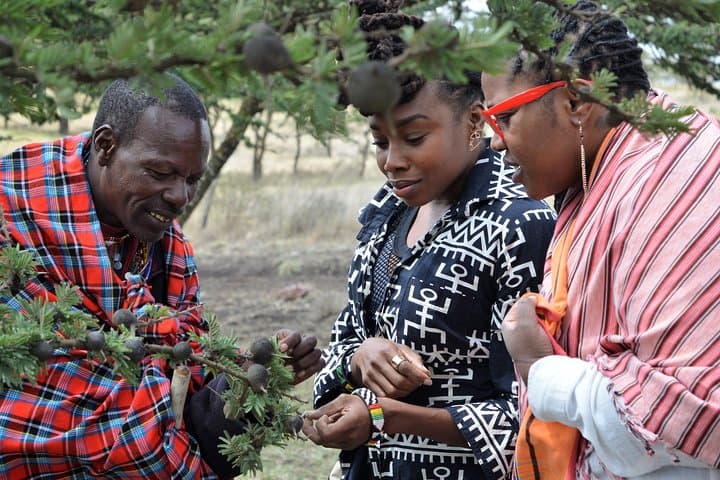
You arrive on a red-dust road as the sun lifts over the southern rim of Nairobi, and the low, measured calls of herders and grazing cattle frame the morning. The village opens slowly: women braid, elders sort herbs, and cattle shift in a steady, practised rhythm that defines Maasai life. The day is organized to move with those rhythms — hands-on with the herds, close-up lessons on medicinal plants, and a demonstration of village biogas systems that replace daily wood-gathering.
Verified experiences and guided adventures in the surrounding area.
Operated by One Horizon Africa · Kajiado, Kajiado County
You arrive on a red-dust road as the sun lifts over the southern rim of Nairobi, and the low, measured calls of herders and grazing cattle frame the morning. The village opens slowly: women braid, elders sort herbs, and cattle shift in a steady, practised rhythm that defines Maasai life. The day is organized to move with those rhythms — hands-on with the herds, close-up lessons on medicinal plants, and a demonstration of village biogas systems that replace daily wood-gathering.
This experience sits at the crossroads of culture and conservation. The Maasai are semi-nomadic pastoralists whose grazing practices, oral land tenure, and community rules have shaped the landscape for generations. Geologically the region is rolling savanna and volcanic soils that support grasses, acacia stands and pockets of thorn scrub. Culturally the tour focuses on practical knowledge: herd management, medicinal botany and simple renewable-energy solutions adapted locally.
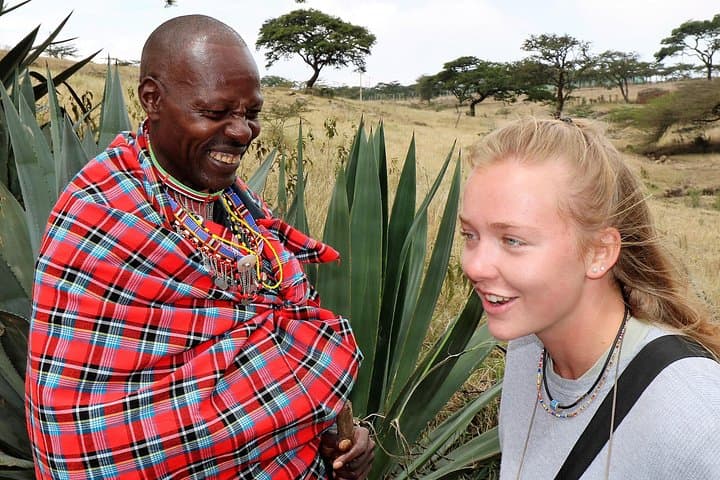
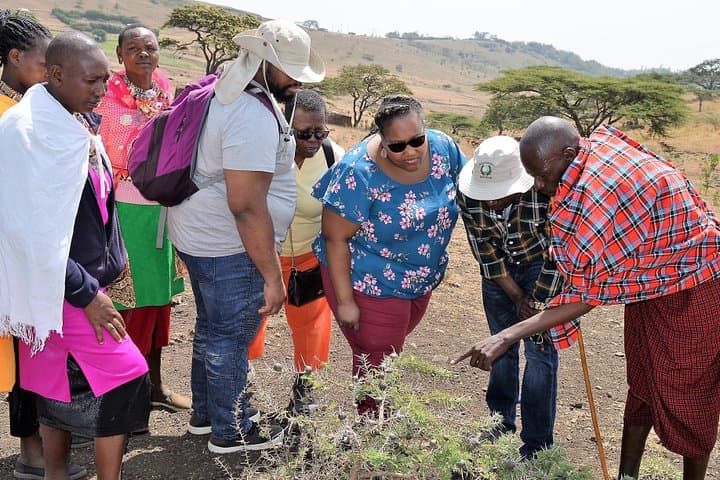
Expect active participation rather than passive observation — helping move cattle, preparing an herbal remedy, or touring a biogas unit. Facilities are basic; the rhythm is communal and educational. Photographs are welcome but ask first. Midday sun is strong and walking is over uneven, sometimes stony ground, so plan footwear and shade accordingly.
Practical tips: the tour runs about six hours with hotel pickup in Nairobi, suitable for most fitness levels, and best done in the dry months for easier driving. Respect local customs, pack water, and bring small cash for local crafts — the exchange directly supports the community projects you’ll see.
easy.
6 hours.
Suitable for most fitness levels; involves short walks over uneven ground and light farm tasks.
Yes — the tour includes pickup and return to central Nairobi hotels or arranged meeting points.
Yes — the experience is family-friendly, though young children should be supervised around livestock and open fires.
Facilities are basic and at times outdoor; expect simple village toilets and periodic stops en route.
Yes — guests may help herd under supervision; guides ensure safety and show appropriate handling techniques.
The Maasai are an East African Nilotic people with a long pastoral tradition; their grazing systems and communal land rules have historically shaped local ecosystems.
Local projects emphasize sustainable grazing, reforestation and biogas use to reduce firewood harvesting and protect wildlife habitat.
One Horizon Africa operates guided outdoor trips and adventures with an emphasis on safety, stewardship, and memorable experiences.
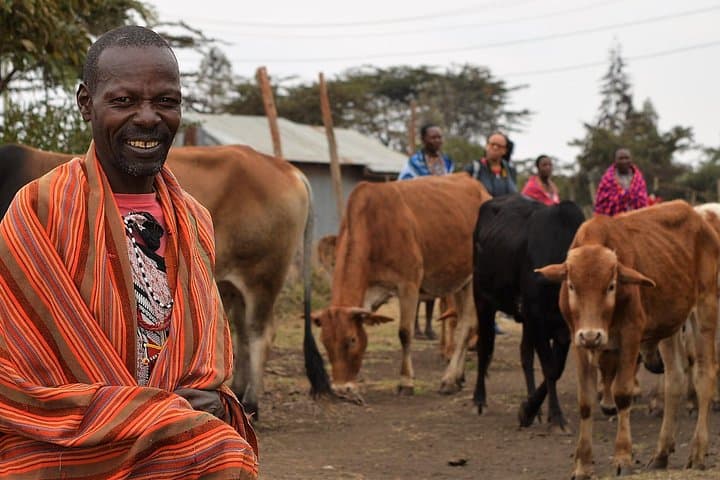
You arrive on a red-dust road as the sun lifts over the southern rim of Nairobi, and the low, measured calls of herders and grazing cattle frame the morning. The village opens slowly: women braid, elders sort herbs, and cattle shift in a steady, practised rhythm that defines Maasai life. The day is organized to move with those rhythms — hands-on with the herds, close-up lessons on medicinal plants, and a demonstration of village biogas systems that replace daily wood-gathering.
You arrive on a red-dust road as the sun lifts over the southern rim of Nairobi, and the low, measured calls of herders and grazing cattle frame the morning. The village opens slowly: women braid, elders sort herbs, and cattle shift in a steady, practised rhythm that defines Maasai life. The day is organized to move with those rhythms — hands-on with the herds, close-up lessons on medicinal plants, and a demonstration of village biogas systems that replace daily wood-gathering.
This experience sits at the crossroads of culture and conservation. The Maasai are semi-nomadic pastoralists whose grazing practices, oral land tenure, and community rules have shaped the landscape for generations. Geologically the region is rolling savanna and volcanic soils that support grasses, acacia stands and pockets of thorn scrub. Culturally the tour focuses on practical knowledge: herd management, medicinal botany and simple renewable-energy solutions adapted locally.
Expect active participation rather than passive observation — helping move cattle, preparing an herbal remedy, or touring a biogas unit. Facilities are basic; the rhythm is communal and educational. Photographs are welcome but ask first. Midday sun is strong and walking is over uneven, sometimes stony ground, so plan footwear and shade accordingly.
Practical tips: the tour runs about six hours with hotel pickup in Nairobi, suitable for most fitness levels, and best done in the dry months for easier driving. Respect local customs, pack water, and bring small cash for local crafts — the exchange directly supports the community projects you’ll see.