THE ADVENTURE COLLECTIVE® · Independent discovery and booking for outdoor travel

Spend a full day from Arusha engaging with Maasai pastoralists and Hadzabe hunter-gatherers. This guided, small-group tour combines traditional dances, beadwork, and a guided bushwalk with authentic cultural exchange.
Spend a full day from Arusha engaging with Maasai pastoralists and Hadzabe hunter-gatherers. This guided, small-group tour combines traditional dances, beadwork, and a guided bushwalk with authentic cultural exchange.
You step out of a sturdy 4x4 onto sun-baked red soil and the air shifts — dry grass rustles and an acacia tree leans like an old storyteller. Within an hour from Arusha the landscape opens: low savannah, koppies of volcanic rock, and, beyond, the rim of the Rift Valley that shaped both land and lives.
Verified experiences and guided adventures in the surrounding area.
Operated by Ibhanilfa Safaris · Arusha, Arusha Region
You step out of a sturdy 4x4 onto sun-baked red soil and the air shifts — dry grass rustles and an acacia tree leans like an old storyteller. Within an hour from Arusha the landscape opens: low savannah, koppies of volcanic rock, and, beyond, the rim of the Rift Valley that shaped both land and lives.
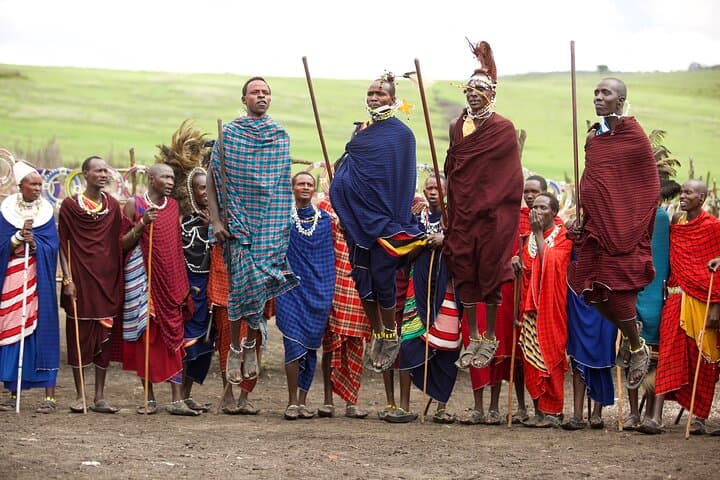
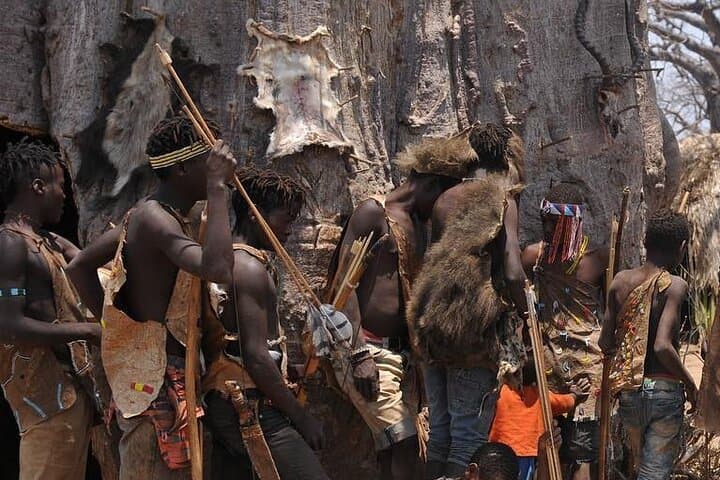
The day pairs two living traditions. The Maasai, long-distance pastoralists, maintain a rhythm defined by cattle, beadwork and ceremonial dancing; elders explain social roles while warriors demonstrate fast, pulsing jumps. The Hadzabe, one of East Africa’s last hunter-gatherer peoples, reveal survival skills — tracking, foraging and hunting with simple, precise tools — and their distinctive click language. Geology is visible underfoot: ancient volcanic soils and shallow basins that feed seasonal waterholes which both tribes have long read as weather maps.
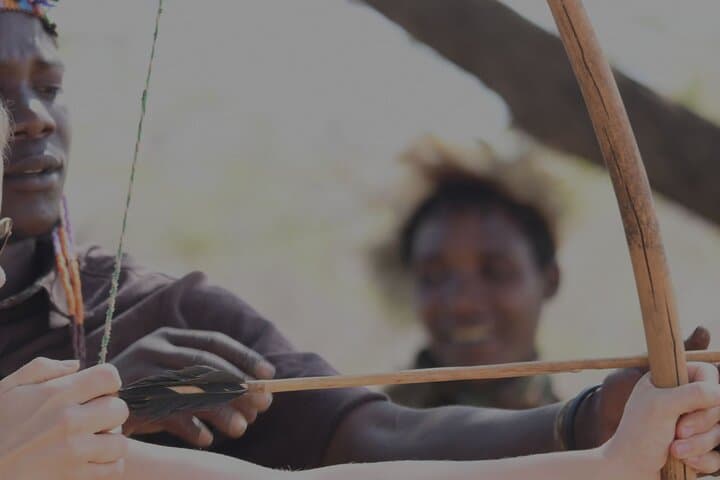
Culturally, this is intimate: small groups, local guides and shared meals create space for respectful exchange rather than a voyeuristic stop. Expect hands-on moments — trying a bow, learning bead patterns, or following a Hadzabe tracker through bushland that seems to dare you forward.
Practical guidance: be ready for 8–10 hours with dusty roads and short walks on uneven terrain. Sun protection, a full water bottle and sturdy shoes matter more than flash photography; ask before taking portraits. Listen, ask thoughtful questions, and consider tipping or buying directly from artisans to support stewardship of these traditions. The result is less a spectacle than a measured, ethical encounter with two resilient cultures shaped by the Rift Valley itself.
moderate.
8–10 hours.
Moderate fitness: able to walk on uneven ground for 1–2 hour blocks and handle bumpy vehicle transfers.
Expect 8–10 hours including round-trip transport, two community visits and a shared lunch.
Yes for school-aged children who can handle walking; infants must sit on laps and specialized seats are available.
The program is led by local guides and designed for respectful, interactive exchanges rather than staged performances.
Conservative, breathable clothing that covers shoulders and knees is respectful; remove hats indoors and ask before photographing.
The Maasai arrived in the region as Nilotic pastoralists centuries ago while the Hadzabe are Remnant hunter-gatherers with languages and lifeways that predate many later migrations.
Small-group visits help funnel income directly to communities; avoid single-use plastics, buy local crafts, and follow guides to minimize disturbance to fragile bushland.
Ibhanilfa Safaris operates guided outdoor trips and adventures with an emphasis on safety, stewardship, and memorable experiences.

You step out of a sturdy 4x4 onto sun-baked red soil and the air shifts — dry grass rustles and an acacia tree leans like an old storyteller. Within an hour from Arusha the landscape opens: low savannah, koppies of volcanic rock, and, beyond, the rim of the Rift Valley that shaped both land and lives.
You step out of a sturdy 4x4 onto sun-baked red soil and the air shifts — dry grass rustles and an acacia tree leans like an old storyteller. Within an hour from Arusha the landscape opens: low savannah, koppies of volcanic rock, and, beyond, the rim of the Rift Valley that shaped both land and lives.
The day pairs two living traditions. The Maasai, long-distance pastoralists, maintain a rhythm defined by cattle, beadwork and ceremonial dancing; elders explain social roles while warriors demonstrate fast, pulsing jumps. The Hadzabe, one of East Africa’s last hunter-gatherer peoples, reveal survival skills — tracking, foraging and hunting with simple, precise tools — and their distinctive click language. Geology is visible underfoot: ancient volcanic soils and shallow basins that feed seasonal waterholes which both tribes have long read as weather maps.
Culturally, this is intimate: small groups, local guides and shared meals create space for respectful exchange rather than a voyeuristic stop. Expect hands-on moments — trying a bow, learning bead patterns, or following a Hadzabe tracker through bushland that seems to dare you forward.
Practical guidance: be ready for 8–10 hours with dusty roads and short walks on uneven terrain. Sun protection, a full water bottle and sturdy shoes matter more than flash photography; ask before taking portraits. Listen, ask thoughtful questions, and consider tipping or buying directly from artisans to support stewardship of these traditions. The result is less a spectacle than a measured, ethical encounter with two resilient cultures shaped by the Rift Valley itself.