THE ADVENTURE COLLECTIVE® · Independent discovery and booking for outdoor travel

Spend a six-hour day snorkeling top reefs and visiting Gulhi and Guraidhoo from Maafushi. Expect clear-water snorkeling at Anantara Reef and Coral Garden, a BBQ lunch, underwater photos, and a close look at island life.
Spend a six-hour day snorkeling top reefs and visiting Gulhi and Guraidhoo from Maafushi. Expect clear-water snorkeling at Anantara Reef and Coral Garden, a BBQ lunch, underwater photos, and a close look at island life.
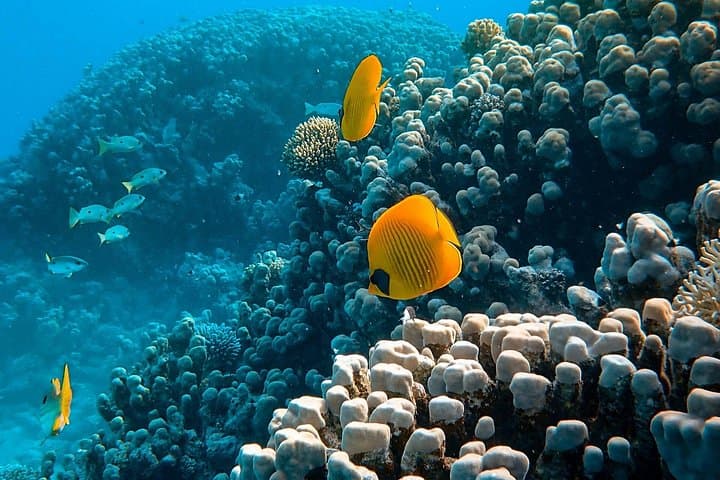
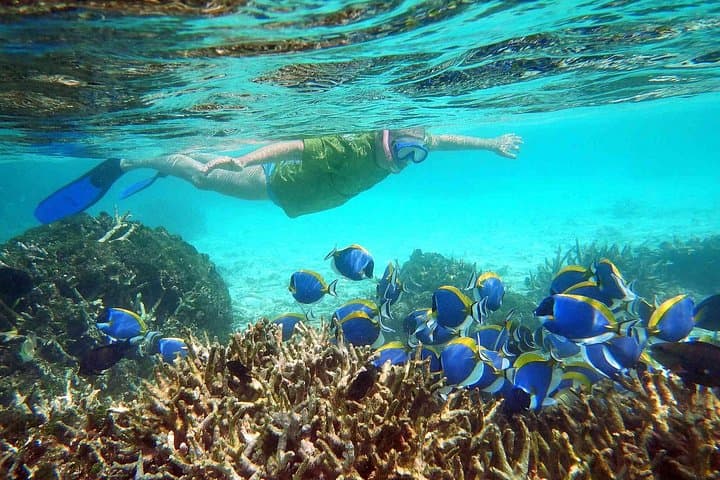
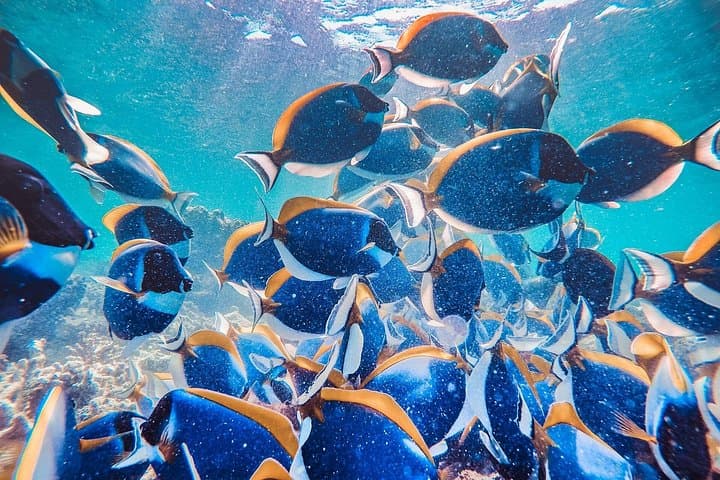
The speedboat lifts you out of Maafushi harbor and the Indian Ocean opens like a living map—turquoise flats give way to deep blue, and the first reef appears as a shadowed garden beneath glassy water. You bob above Anantara Reef, where soft corals sway and parrotfish nibble at branching staghorn; the current teases you toward turtles that browse the reef, indifferent and ancient.
Verified experiences and guided adventures in the surrounding area.
Operated by Tuktukdude Maldives · Maafushi, Kaafu Atoll
The speedboat lifts you out of Maafushi harbor and the Indian Ocean opens like a living map—turquoise flats give way to deep blue, and the first reef appears as a shadowed garden beneath glassy water. You bob above Anantara Reef, where soft corals sway and parrotfish nibble at branching staghorn; the current teases you toward turtles that browse the reef, indifferent and ancient.
These atolls are geological chapters of sunken volcanoes; coral growth keeps the ring of islands afloat while local communities build lives on narrow strips of sand. Gulhi’s Bikini Beach offers the classic postcard scene—white sand, a wooden swing, and calm lagoon water—while Guraidhoo remains a working island where tea and short eats accompany conversations about fishing and boatbuilding. Maafushi itself is one of the inhabited islands that opened to guesthouse tourism, giving travelers a bridge between resort luxury and everyday Maldivian culture.
Practically, the trip runs about six hours and combines two main snorkeling sites—Anantara Reef and Coral Garden—with island stops on Gulhi and Guraidhoo. Expect guided snorkeling, life vests for non-swimmers, a BBQ lunch on board or shore, and underwater photos included. Visibility is usually best in the dry season (November–April); during the southwest monsoon (May–October) expect windier crossings and richer plankton blooms that attract marine life.
Plan for reef-safe sunscreen, a well-fitting mask, and a short walk on sand at island stops. Respect local customs on inhabited islands—cover shoulders and knees when walking past mosques or local homes. The day is sensory: the reef calls, the current nudges you forward, and small islands remind you how people and coral share these fragile rings of land.
easy.
6 hours.
Suitable for most fitness levels; basic swimming ability recommended and life vests provided for non‑swimmers.
Yes—operators typically provide life vests and flotation aids; guides will help non‑swimmers enter and exit the water safely.
Basic snorkeling skills (comfortable breathing through a snorkel and treading water) are sufficient; guides stay close to groups and point out marine life.
Most tours operate from Maafushi; travelers arriving in Malé can transfer by public or private speedboat to Maafushi—confirm pickup options when booking.
Common sightings include green and hawksbill sea turtles, reef fish such as parrotfish and butterflyfish, and occasional reef sharks in deeper channels.
The Maldives are coral atolls formed over subsided volcanic peaks; inhabited islands like Maafushi have long fishing traditions and have expanded guesthouse tourism in the 2000s.
Coral reefs here are sensitive—avoid touching coral, use reef‑safe sunscreen, and support local guides who follow sustainable snorkeling practices.
Tuktukdude Maldives operates guided outdoor trips and adventures with an emphasis on safety, stewardship, and memorable experiences.
The speedboat lifts you out of Maafushi harbor and the Indian Ocean opens like a living map—turquoise flats give way to deep blue, and the first reef appears as a shadowed garden beneath glassy water. You bob above Anantara Reef, where soft corals sway and parrotfish nibble at branching staghorn; the current teases you toward turtles that browse the reef, indifferent and ancient.
The speedboat lifts you out of Maafushi harbor and the Indian Ocean opens like a living map—turquoise flats give way to deep blue, and the first reef appears as a shadowed garden beneath glassy water. You bob above Anantara Reef, where soft corals sway and parrotfish nibble at branching staghorn; the current teases you toward turtles that browse the reef, indifferent and ancient.
These atolls are geological chapters of sunken volcanoes; coral growth keeps the ring of islands afloat while local communities build lives on narrow strips of sand. Gulhi’s Bikini Beach offers the classic postcard scene—white sand, a wooden swing, and calm lagoon water—while Guraidhoo remains a working island where tea and short eats accompany conversations about fishing and boatbuilding. Maafushi itself is one of the inhabited islands that opened to guesthouse tourism, giving travelers a bridge between resort luxury and everyday Maldivian culture.
Practically, the trip runs about six hours and combines two main snorkeling sites—Anantara Reef and Coral Garden—with island stops on Gulhi and Guraidhoo. Expect guided snorkeling, life vests for non-swimmers, a BBQ lunch on board or shore, and underwater photos included. Visibility is usually best in the dry season (November–April); during the southwest monsoon (May–October) expect windier crossings and richer plankton blooms that attract marine life.
Plan for reef-safe sunscreen, a well-fitting mask, and a short walk on sand at island stops. Respect local customs on inhabited islands—cover shoulders and knees when walking past mosques or local homes. The day is sensory: the reef calls, the current nudges you forward, and small islands remind you how people and coral share these fragile rings of land.