THE ADVENTURE COLLECTIVE® · Independent discovery and booking for outdoor travel

A six-day journey from Marrakech into the Ait Bougmez valley to climb Jebel M'Goun. Expect high ridges, remote Berber villages, and alpine camps between 2,900–4,000 m — a serious, scenic High Atlas ascent.
A six-day journey from Marrakech into the Ait Bougmez valley to climb Jebel M'Goun. Expect high ridges, remote Berber villages, and alpine camps between 2,900–4,000 m — a serious, scenic High Atlas ascent.
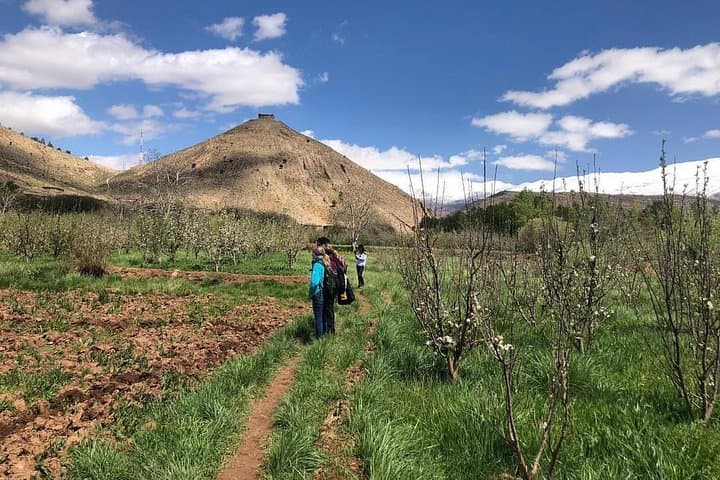
Morning light cuts across ochre terraces as the minibus climbs away from Marrakech and into the Ait Bougmez valley — the High Atlas unfurls in stepped ridges, wind-polished scree and flat-topped plateaus. This six-day trek follows mule tracks, Berber pathways and high ridgelines to the western flanks of Jebel M'Goun, Morocco's second-highest massif.
Verified experiences and guided adventures in the surrounding area.
Operated by View Morocco - DMC Adventure Travel Company · Agouti (Ait Bougmez Valley), Marrakech-Safi
Morning light cuts across ochre terraces as the minibus climbs away from Marrakech and into the Ait Bougmez valley — the High Atlas unfurls in stepped ridges, wind-polished scree and flat-topped plateaus. This six-day trek follows mule tracks, Berber pathways and high ridgelines to the western flanks of Jebel M'Goun, Morocco's second-highest massif.
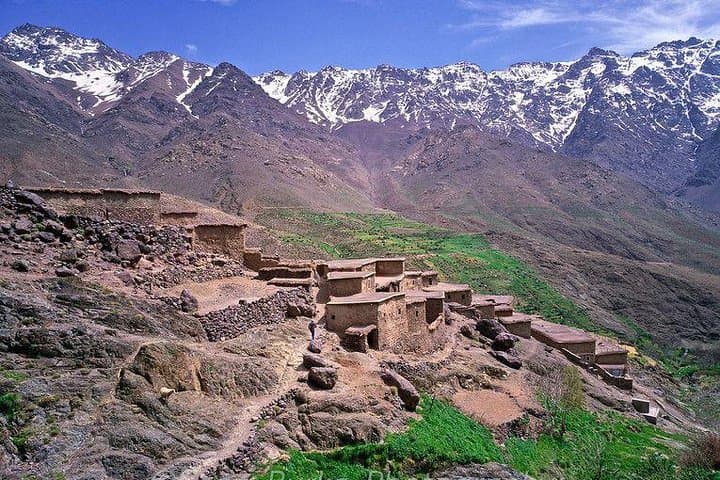
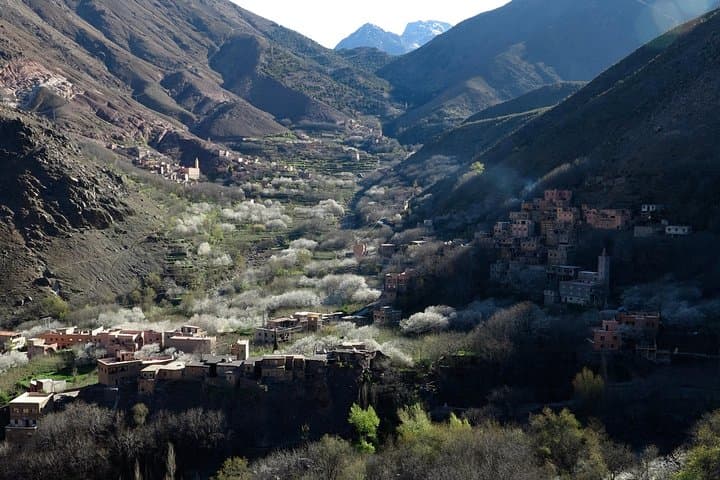
Geology here is blunt and old: folded limestone and sandstone carved by frost and wind into wind-eroded plateaus like Tarkedit. The route threads traditional Berber villages where stone houses and irrigated fields reflect centuries of mountain agriculture and communal grazing rights. Cultural moments arrive simply — tea offered at a home, the clack of a shepherd's crook, and tents pitched under star-black sky.
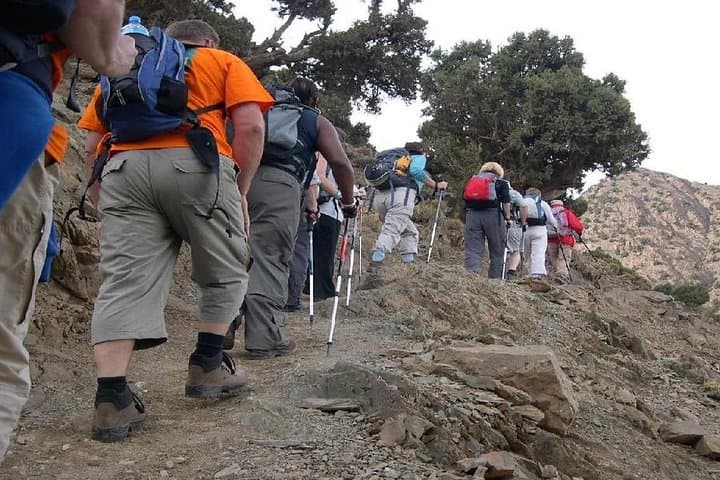
Expect sustained altitude: camps are established between 2,900–3,400 m and the summit ridge sits at roughly 4,000 m. Terrain alternates between rocky mule tracks, steep scree slopes and a long high-ridge approach to the summit, so pacing and acclimatization matter. Weather can shift quickly; snow lingers into spring and early summer above 3,000 m, while autumn brings crisp, clear days.
Practical edge: train with sustained uphill days and practice hiking with a loaded pack. Bring warm night layers, a 4-season sleeping bag and crampons or microspikes if snow is likely. Plan for ferrying extra water at high camps, conserve energy on the summit ridge, and allow a conservative turnaround time on summit day. This is a rewarding, high-altitude mountaineering trek for experienced trekkers comfortable with remote camping and variable mountain conditions.
challenging.
6 days.
Should be in good aerobic condition with experience carrying a pack for multiple days and previous long-days hiking at altitude.
Summit ridge involves 4–6 hours at or above 3,500–4,000 m; expect long, steady exertion on loose rock and possible snow — good pacing is essential.
Late spring to early autumn (May–October) offers the most reliable weather, though snow can persist into June at higher elevations.
Prior multi-day trekking and comfort at altitude are required; technical climbing gear is generally not needed in summer but can be required with winter conditions.
Nights alternate between simple guesthouses in Agouti and mountain camps with tents and communal meals provided by the trek crew.
The Ait Bougmez valley has been farmed by Amazigh (Berber) communities for centuries; irrigation and terrace systems reflect a long mountain husbandry tradition.
High-altitude plateaus are fragile; use established campsites, pack out waste, and respect grazing rotations to minimize impact.
View Morocco - DMC Adventure Travel Company operates guided outdoor trips and adventures with an emphasis on safety, stewardship, and memorable experiences.
Morning light cuts across ochre terraces as the minibus climbs away from Marrakech and into the Ait Bougmez valley — the High Atlas unfurls in stepped ridges, wind-polished scree and flat-topped plateaus. This six-day trek follows mule tracks, Berber pathways and high ridgelines to the western flanks of Jebel M'Goun, Morocco's second-highest massif.
Morning light cuts across ochre terraces as the minibus climbs away from Marrakech and into the Ait Bougmez valley — the High Atlas unfurls in stepped ridges, wind-polished scree and flat-topped plateaus. This six-day trek follows mule tracks, Berber pathways and high ridgelines to the western flanks of Jebel M'Goun, Morocco's second-highest massif.
Geology here is blunt and old: folded limestone and sandstone carved by frost and wind into wind-eroded plateaus like Tarkedit. The route threads traditional Berber villages where stone houses and irrigated fields reflect centuries of mountain agriculture and communal grazing rights. Cultural moments arrive simply — tea offered at a home, the clack of a shepherd's crook, and tents pitched under star-black sky.
Expect sustained altitude: camps are established between 2,900–3,400 m and the summit ridge sits at roughly 4,000 m. Terrain alternates between rocky mule tracks, steep scree slopes and a long high-ridge approach to the summit, so pacing and acclimatization matter. Weather can shift quickly; snow lingers into spring and early summer above 3,000 m, while autumn brings crisp, clear days.
Practical edge: train with sustained uphill days and practice hiking with a loaded pack. Bring warm night layers, a 4-season sleeping bag and crampons or microspikes if snow is likely. Plan for ferrying extra water at high camps, conserve energy on the summit ridge, and allow a conservative turnaround time on summit day. This is a rewarding, high-altitude mountaineering trek for experienced trekkers comfortable with remote camping and variable mountain conditions.