THE ADVENTURE COLLECTIVE® · Independent discovery and booking for outdoor travel

Experience an authentic Māori pōwhiri in Wanaka or Queenstown—an hour-long cultural welcome that pairs ceremonial protocol with local stories of Manaakitanga and Kaitiakitanga. Learn what to expect, how to behave respectfully, and practical logistics before you go.
Experience an authentic Māori pōwhiri in Wanaka or Queenstown—an hour-long cultural welcome that pairs ceremonial protocol with local stories of Manaakitanga and Kaitiakitanga. Learn what to expect, how to behave respectfully, and practical logistics before you go.
A late-afternoon light pools on the water as a small group gathers on gravel or grass—this is the first inhale of a Māori Whakataū. The welcome begins not as theatre but as a protocol: a wero (challenge) led by a warrior with a taiaha, karanga (voice-call) by the women, formal speeches and responses, and shared song and gesture that move strangers into whānau for the hour.
Verified experiences and guided adventures in the surrounding area.
Operated by WanaHaka Wine Tours Maori Culture · Wanaka, Otago
A late-afternoon light pools on the water as a small group gathers on gravel or grass—this is the first inhale of a Māori Whakataū. The welcome begins not as theatre but as a protocol: a wero (challenge) led by a warrior with a taiaha, karanga (voice-call) by the women, formal speeches and responses, and shared song and gesture that move strangers into whānau for the hour.
The pōwhiri draws on centuries of tikanga: Manaakitanga (hospitality) and Kaitiakitanga (guardianship of the land). In Central Otago, the surrounding mountains and glacial lakes are the physical stage; the welcome ties those landscapes to genealogy and obligation. WanaHaka® frames the ceremony to connect visitors to local stories and to the responsibility Māori hold to the whenua.
Practical details are straightforward. Sessions run about 40–60 minutes and require a minimum of four people; locations rotate between Wanaka and Queenstown and you’ll be told the exact meeting point the day before. The provider offers private transport options and the experience is wheelchair and stroller accessible.
To get the most from the pōwhiri, follow the hosts’ lead—remove hats during karanga and speeches, wait to be invited onto the marae space, and expect brief practical instruction beforehand. Photography is often acceptable but avoid filming during solemn parts unless told otherwise. Dress respectfully and bring layers; alpine weather changes fast and the ceremony commonly takes place outdoors.
This is less a performance and more an exchange: arrive ready to listen, to respond, and to leave with a clearer sense of place and people.
easy.
40–60 minutes.
Suitable for all fitness levels; minimal walking and standing required
Yes—this provider lists wheelchair access for areas and transport; notify the operator of needs when booking to confirm arrangements.
A minimum of four participants is required; if numbers aren’t met you’ll be offered an alternative date or a full refund.
Photography is often allowed, but refrain during karanga and formal speeches unless the hosts explicitly permit images.
Yes—bookings are needed and you’ll receive meeting-point details and tikanga guidance the day before your scheduled session.
Pōwhiri are ceremonial welcomes with roots in Māori social protocol; contemporary presentations are both cultural practice and a way to share iwi stories with visitors.
Hosts emphasize Kaitiakitanga—expect encouragement to follow Leave No Trace principles and to respect fragile shorelines and plant life in the area.
WanaHaka Wine Tours Maori Culture operates guided outdoor trips and adventures with an emphasis on safety, stewardship, and memorable experiences.
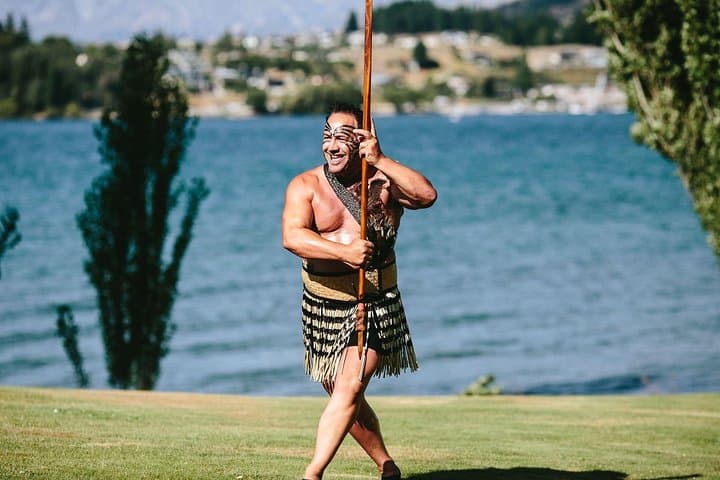
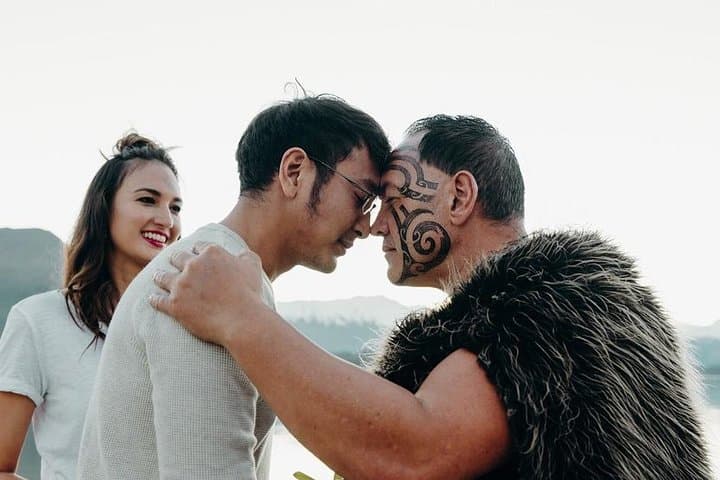
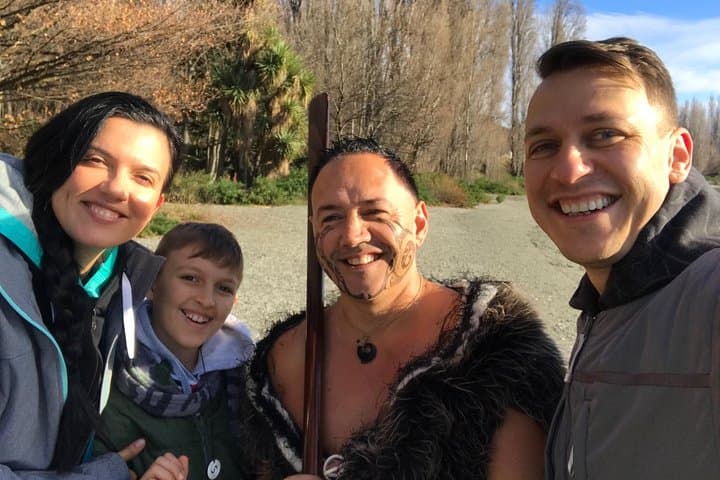
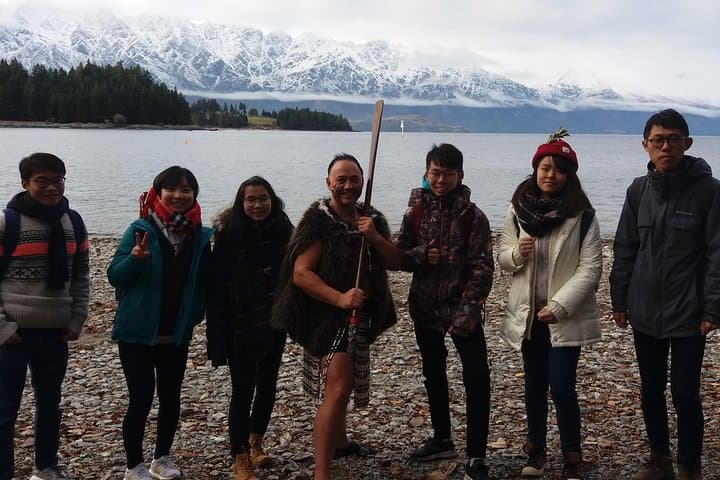
A late-afternoon light pools on the water as a small group gathers on gravel or grass—this is the first inhale of a Māori Whakataū. The welcome begins not as theatre but as a protocol: a wero (challenge) led by a warrior with a taiaha, karanga (voice-call) by the women, formal speeches and responses, and shared song and gesture that move strangers into whānau for the hour.
A late-afternoon light pools on the water as a small group gathers on gravel or grass—this is the first inhale of a Māori Whakataū. The welcome begins not as theatre but as a protocol: a wero (challenge) led by a warrior with a taiaha, karanga (voice-call) by the women, formal speeches and responses, and shared song and gesture that move strangers into whānau for the hour.
The pōwhiri draws on centuries of tikanga: Manaakitanga (hospitality) and Kaitiakitanga (guardianship of the land). In Central Otago, the surrounding mountains and glacial lakes are the physical stage; the welcome ties those landscapes to genealogy and obligation. WanaHaka® frames the ceremony to connect visitors to local stories and to the responsibility Māori hold to the whenua.
Practical details are straightforward. Sessions run about 40–60 minutes and require a minimum of four people; locations rotate between Wanaka and Queenstown and you’ll be told the exact meeting point the day before. The provider offers private transport options and the experience is wheelchair and stroller accessible.
To get the most from the pōwhiri, follow the hosts’ lead—remove hats during karanga and speeches, wait to be invited onto the marae space, and expect brief practical instruction beforehand. Photography is often acceptable but avoid filming during solemn parts unless told otherwise. Dress respectfully and bring layers; alpine weather changes fast and the ceremony commonly takes place outdoors.
This is less a performance and more an exchange: arrive ready to listen, to respond, and to leave with a clearer sense of place and people.