THE ADVENTURE COLLECTIVE® · Independent discovery and booking for outdoor travel

Step off Place Bellecour and into the narrow, covered traboules of Vieux Lyon for a private 2–3 hour walk through Roman streets, Renaissance courtyards and silk‑weaver history. This guided tour blends local lore, architecture and practical route choices to reveal the city’s hidden spine.
Step off Place Bellecour and into the narrow, covered traboules of Vieux Lyon for a private 2–3 hour walk through Roman streets, Renaissance courtyards and silk‑weaver history. This guided tour blends local lore, architecture and practical route choices to reveal the city’s hidden spine.
You begin at the foot of the statue of Louis XIV on Place Bellecour, where the city’s two rivers—Saône and Rhône—seem to argue about which way the town will face next. The guide threads you into narrow stone alleys and suddenly the noise of modern Lyon fades; sunlight slices the passageways and the air smells faintly of cooking and old stone.
Verified experiences and guided adventures in the surrounding area.
Operated by Konstantin Masajlo · Lyon, Auvergne-Rhône-Alpes
You begin at the foot of the statue of Louis XIV on Place Bellecour, where the city’s two rivers—Saône and Rhône—seem to argue about which way the town will face next. The guide threads you into narrow stone alleys and suddenly the noise of modern Lyon fades; sunlight slices the passageways and the air smells faintly of cooking and old stone.
These are the traboules: covered, often vertical passages that let people slip between streets without exposing silk bolts, carts or conversation to rain or watchful eyes. Lyon grew from the Roman settlement of Lugdunum to a medieval and then industrial powerhouse; the city’s limestone bedrock and steep Fourvière slope shaped streets that shifted and slipped over centuries, and those geological quirks helped define how trade and neighborhoods developed. The traboules were practical—designed for silk weavers of Croix-Rousse—and strategic: they sheltered resistance couriers in World War II.
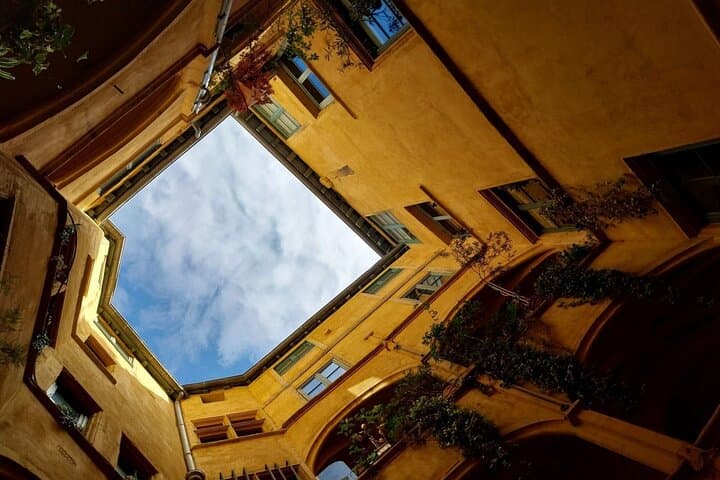
On a private 2–3 hour walk expect cobbles, short flights of irregular stone steps, and varied courtyard architecture—Renaissance façades, carved gargoyles, and hidden wells. The guide customizes the route, skips long queues, and points out details you’d miss alone. Practicalities: wear sturdy shoes, bring a light rain layer, and keep your voice low in residential courtyards; many traboules are on private property. Morning light is best for photos; afternoons reveal bustling cafés nearby if you want to linger after the tour. This walk is an efficient, atmospheric way to read Lyon’s past through its built fabric while staying present in a lively, lived-in city.
easy.
2–3 hours.
Suitable for light to moderate fitness; able to stand and walk over uneven cobbles and climb short flights of stairs.
Many traboules are accessible during daytime but pass through private residences—access is permitted on guided tours, but always follow rules and avoid entering locked courtyards.
Yes; the tour is rated easy, but there are uneven surfaces and short staircases—strollers and wheelchair access are limited in many passages.
This is a private tour with flexible departure time and typically meets at Place Bellecour or another agreed central point.
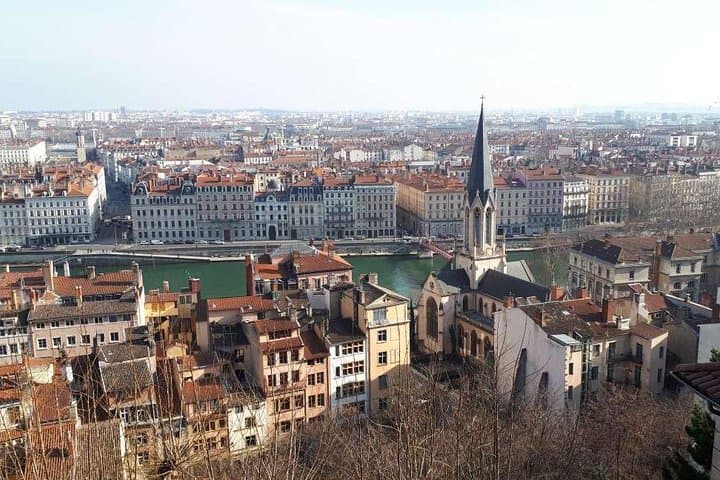
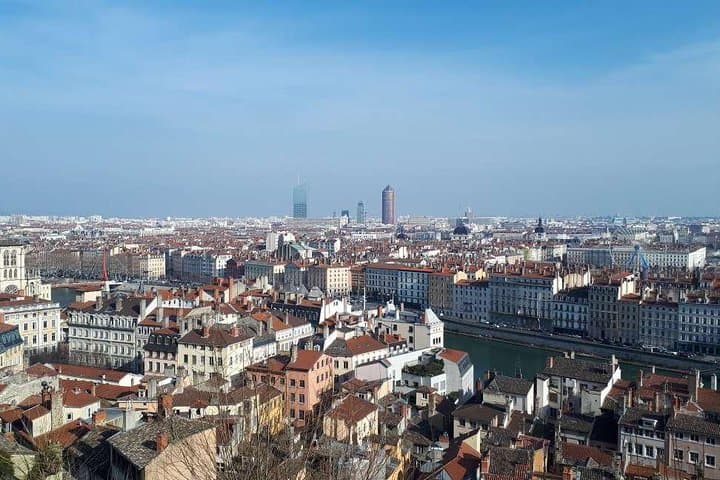
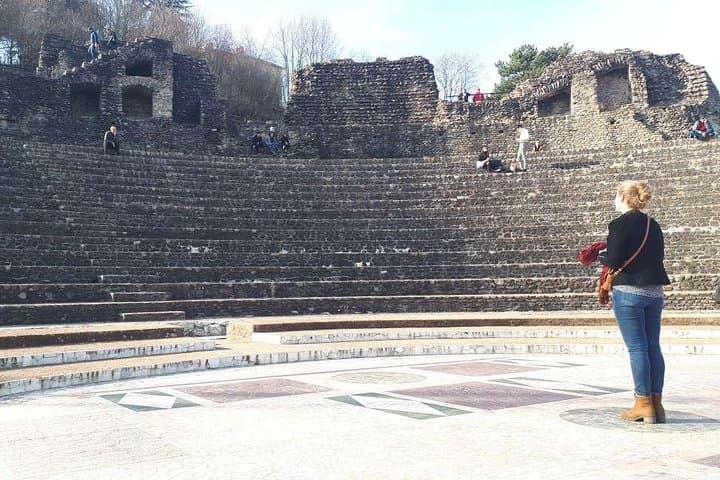
Yes; guides commonly highlight Lyon’s Roman origins and may include views of Fourvière and the ancient theatre area as part of the narrative.
Lyon began as Roman Lugdunum and later became a silk-weaving center; traboules evolved to protect merchants’ goods and to provide quick, covered routes across dense neighbourhoods.
Many traboules are integrated into private residences; conservation relies on resident cooperation and respectful tourism—avoid touching frescoes and keep group sizes small to minimize wear.
Konstantin Masajlo operates guided outdoor trips and adventures with an emphasis on safety, stewardship, and memorable experiences.
You begin at the foot of the statue of Louis XIV on Place Bellecour, where the city’s two rivers—Saône and Rhône—seem to argue about which way the town will face next. The guide threads you into narrow stone alleys and suddenly the noise of modern Lyon fades; sunlight slices the passageways and the air smells faintly of cooking and old stone.
You begin at the foot of the statue of Louis XIV on Place Bellecour, where the city’s two rivers—Saône and Rhône—seem to argue about which way the town will face next. The guide threads you into narrow stone alleys and suddenly the noise of modern Lyon fades; sunlight slices the passageways and the air smells faintly of cooking and old stone.
These are the traboules: covered, often vertical passages that let people slip between streets without exposing silk bolts, carts or conversation to rain or watchful eyes. Lyon grew from the Roman settlement of Lugdunum to a medieval and then industrial powerhouse; the city’s limestone bedrock and steep Fourvière slope shaped streets that shifted and slipped over centuries, and those geological quirks helped define how trade and neighborhoods developed. The traboules were practical—designed for silk weavers of Croix-Rousse—and strategic: they sheltered resistance couriers in World War II.
On a private 2–3 hour walk expect cobbles, short flights of irregular stone steps, and varied courtyard architecture—Renaissance façades, carved gargoyles, and hidden wells. The guide customizes the route, skips long queues, and points out details you’d miss alone. Practicalities: wear sturdy shoes, bring a light rain layer, and keep your voice low in residential courtyards; many traboules are on private property. Morning light is best for photos; afternoons reveal bustling cafés nearby if you want to linger after the tour. This walk is an efficient, atmospheric way to read Lyon’s past through its built fabric while staying present in a lively, lived-in city.