THE ADVENTURE COLLECTIVE® · Independent discovery and booking for outdoor travel

Walk Vieux Lyon with a local guide and move from Roman foundations up to Fourvière, through secret traboules and past bouchons that tell the city’s culinary story. This 1.5–2 hour tour mixes history, food lore, and insider routes best experienced on foot.
Walk Vieux Lyon with a local guide and move from Roman foundations up to Fourvière, through secret traboules and past bouchons that tell the city’s culinary story. This 1.5–2 hour tour mixes history, food lore, and insider routes best experienced on foot.
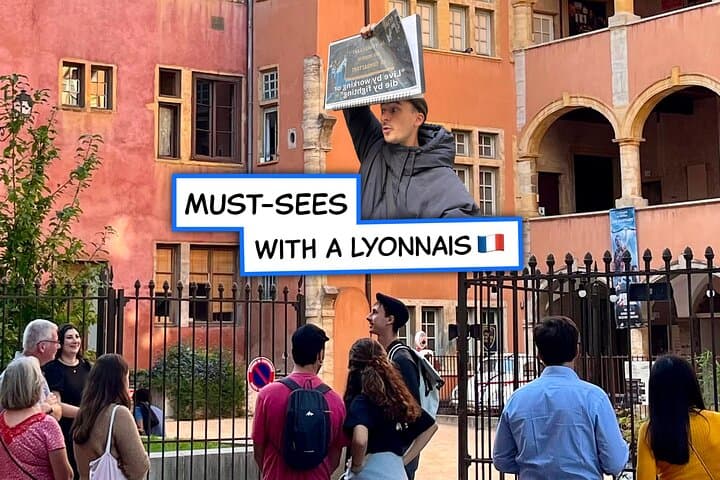
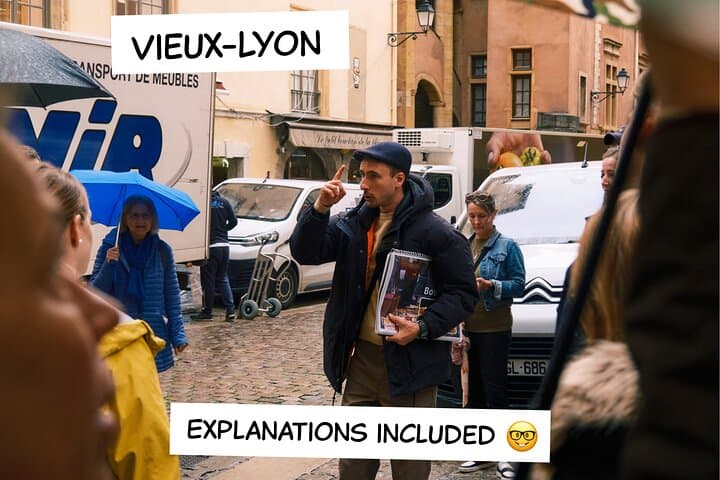
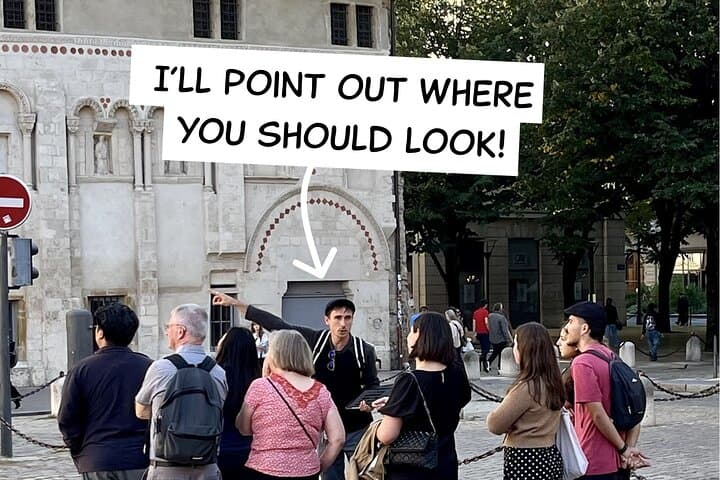
Start in Place Saint-Jean, where the square’s small fountain marks a meeting point and the stone facades of Vieux Lyon lean in like listeners. The guide steps forward — a local voice that threads through narrow alleys, past carved doorways and sunlight slanting between buildings, toward the Cathédrale Saint-Jean-Baptiste and the slopes of Fourvière.
Verified experiences and guided adventures in the surrounding area.
Operated by Quentin Dubourg · Lyon, Auvergne-Rhône-Alpes
Start in Place Saint-Jean, where the square’s small fountain marks a meeting point and the stone facades of Vieux Lyon lean in like listeners. The guide steps forward — a local voice that threads through narrow alleys, past carved doorways and sunlight slanting between buildings, toward the Cathédrale Saint-Jean-Baptiste and the slopes of Fourvière.
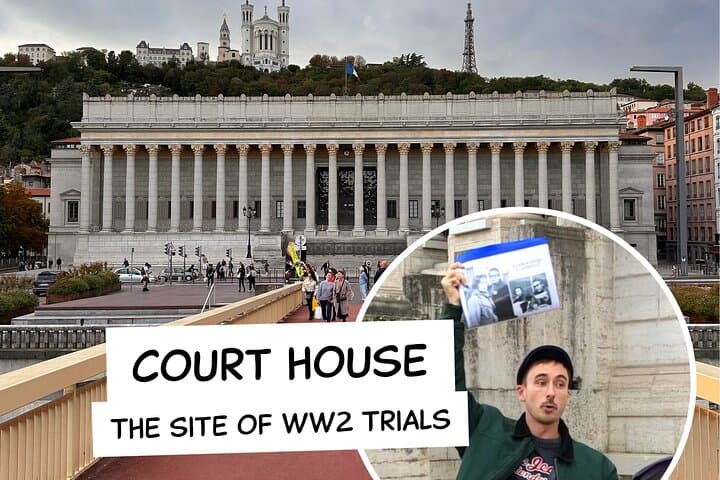
Lyon began as Lugdunum, the Roman capital of the Gauls, and the city still shows those layers: Roman terraces on Fourvière, Renaissance façades in the old town, and 19th-century mansions on the Presqu’île. The Saône moves through the center with a steady, dare-you-to-ignore rhythm, while courthouses and bouchons tell stories of wartime resistance and gastronomic innovation — think Paul Bocuse and the revival of French regional cooking.
Expect to learn about traboules, the covered passageways that once sheltered silk workers and now reveal hidden courtyards, and to stand where history and daily life intersect: marketplaces, restored hospitals turned into retail, and small statues that reward attentive walkers.
Practical guidance: the route covers roughly 2–3 kilometers on cobblestones with some stair sections and short slopes; allow 1.5–2 hours. Wear sturdy shoes, bring a light rain layer and a water bottle, and have small change for café stops or public restrooms. Tours are best in the morning for cooler temperatures and smaller crowds; evening light over the Saône is excellent for photos but can be busier. Respect private courtyards, follow the guide, and be ready to fold into narrow alleys — Lyon reveals itself to those who walk it.
easy.
1.5–2 hours.
Suitable for most fitness levels; you should be able to walk 2–3 km on uneven cobblestones and climb short stair sections.
Meet in Place Saint-Jean in front of Saint-Jean-Baptiste Cathedral by the small fountain; the guide will be holding a blue notebook.
Yes—short sections are stroller-accessible, but expect cobblestones and some stairs that may require folding or carrying a stroller briefly.
The tour introduces Lyon’s culinary heritage and points out bouchons and cafés, but food and drinks are not included—bring money for optional tastings.
Tours run in light rain; for heavy weather cancellations, check the provider’s policy—free cancellation is typically available up to 24 hours beforehand.
Founded as the Roman city Lugdunum on Fourvière hill, Lyon later became a Renaissance silk center and a key Resistance hub during WWII.
Respect private courtyards and historical façades; support local bouchons and shops to keep heritage areas economically sustainable.
Quentin Dubourg operates guided outdoor trips and adventures with an emphasis on safety, stewardship, and memorable experiences.
Start in Place Saint-Jean, where the square’s small fountain marks a meeting point and the stone facades of Vieux Lyon lean in like listeners. The guide steps forward — a local voice that threads through narrow alleys, past carved doorways and sunlight slanting between buildings, toward the Cathédrale Saint-Jean-Baptiste and the slopes of Fourvière.
Start in Place Saint-Jean, where the square’s small fountain marks a meeting point and the stone facades of Vieux Lyon lean in like listeners. The guide steps forward — a local voice that threads through narrow alleys, past carved doorways and sunlight slanting between buildings, toward the Cathédrale Saint-Jean-Baptiste and the slopes of Fourvière.
Lyon began as Lugdunum, the Roman capital of the Gauls, and the city still shows those layers: Roman terraces on Fourvière, Renaissance façades in the old town, and 19th-century mansions on the Presqu’île. The Saône moves through the center with a steady, dare-you-to-ignore rhythm, while courthouses and bouchons tell stories of wartime resistance and gastronomic innovation — think Paul Bocuse and the revival of French regional cooking.
Expect to learn about traboules, the covered passageways that once sheltered silk workers and now reveal hidden courtyards, and to stand where history and daily life intersect: marketplaces, restored hospitals turned into retail, and small statues that reward attentive walkers.
Practical guidance: the route covers roughly 2–3 kilometers on cobblestones with some stair sections and short slopes; allow 1.5–2 hours. Wear sturdy shoes, bring a light rain layer and a water bottle, and have small change for café stops or public restrooms. Tours are best in the morning for cooler temperatures and smaller crowds; evening light over the Saône is excellent for photos but can be busier. Respect private courtyards, follow the guide, and be ready to fold into narrow alleys — Lyon reveals itself to those who walk it.