THE ADVENTURE COLLECTIVE® · Independent discovery and booking for outdoor travel

Wander Lyon at your own speed with a private audio guide that unfolds Roman theaters, secret traboules and hilltop basilicas. Listen where you like, linger where the city invites you, and shape a walk that fits your rhythm.
Wander Lyon at your own speed with a private audio guide that unfolds Roman theaters, secret traboules and hilltop basilicas. Listen where you like, linger where the city invites you, and shape a walk that fits your rhythm.
Morning light slides across the Saône as footsteps echo on worn stone; the audio guide clicks on and a warm voice begins to name the facades, the alleys, the secrets hidden behind shutters. This is Lyon on foot — a city shaped by two rivers and layered by centuries, where Renaissance courtyards open like pages in a history book and mural-sized paintings watch over working neighborhoods.
Verified experiences and guided adventures in the surrounding area.
Operated by Uvamai Niche Tourism · Lyon, Auvergne-Rhône-Alpes
Morning light slides across the Saône as footsteps echo on worn stone; the audio guide clicks on and a warm voice begins to name the facades, the alleys, the secrets hidden behind shutters. This is Lyon on foot — a city shaped by two rivers and layered by centuries, where Renaissance courtyards open like pages in a history book and mural-sized paintings watch over working neighborhoods.
History here is literal: Roman theaters whisper of public spectacle, Saint-Jean Cathedral records three architectural eras, and the Basilica on the hill commemorates plague and survival. Geologically, Lyon sits at the confluence of the Rhône and Saône, their floodplains and terraces dictating where neighborhoods rose and trade routes formed. Culturally, the city celebrates silk, gastronomy and civic resistance; the traboules once carried merchants’ wares and later, messages of freedom.
The audio format lets travelers linger at a carved doorway, retrace wartime routes through hidden passages, and pause on a terrace to watch the rivers negotiate the city’s curves. It also points out practical details — where to buy local quenelles, which cafés keep shutters open late, and how to read carved merchant symbols in doorways.
Practical guidance: start in Vieux Lyon and end on Fourvière for the best elevation change and views; allow 3–6 hours or split across days. Bring comfortable shoes for cobbles, headphones for clear narration, a charged phone and a pocket map if signal falters. Time visits to quieter hours (early morning or late afternoon) to avoid crowds at major sites and savor the city on your own terms.
easy.
3–9 hours (self-paced).
Light walking fitness is sufficient—expect cobblestones, stairs in traboules and one major hill climb to Fourvière.
You receive two private links before your start date: a SoundCloud playlist for audio tracks and a Google My Maps link marking each stop; open them in your web browser.
Yes—the links remain valid while you complete the tour (maximum six days), so you can split the itinerary across visits.
Many streets and some attractions are accessible, but note that some traboules and older buildings contain stairs—check individual sites if mobility is restricted.
An internet connection is recommended to stream audio and view the interactive map; downloading audio in advance (if possible) or using local Wi‑Fi reduces data use.
Lyon grew from a Roman colony (Lugdunum) into a silk-trading powerhouse; its traboules and façades reflect merchant wealth and civic resilience, including critical roles in the French Resistance.
City initiatives protect historic façades and promote responsible tourism in UNESCO zones; stick to marked paths, respect private courtyards, and use refillable water to reduce waste.
Uvamai Niche Tourism operates guided outdoor trips and adventures with an emphasis on safety, stewardship, and memorable experiences.

Morning light slides across the Saône as footsteps echo on worn stone; the audio guide clicks on and a warm voice begins to name the facades, the alleys, the secrets hidden behind shutters. This is Lyon on foot — a city shaped by two rivers and layered by centuries, where Renaissance courtyards open like pages in a history book and mural-sized paintings watch over working neighborhoods.
Morning light slides across the Saône as footsteps echo on worn stone; the audio guide clicks on and a warm voice begins to name the facades, the alleys, the secrets hidden behind shutters. This is Lyon on foot — a city shaped by two rivers and layered by centuries, where Renaissance courtyards open like pages in a history book and mural-sized paintings watch over working neighborhoods.
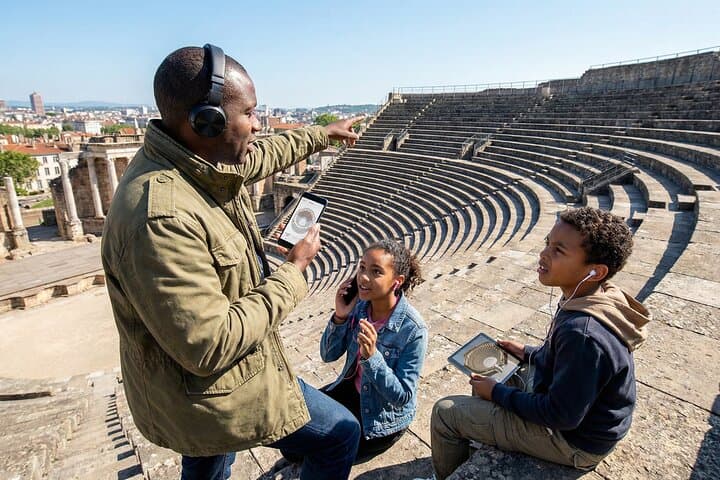
History here is literal: Roman theaters whisper of public spectacle, Saint-Jean Cathedral records three architectural eras, and the Basilica on the hill commemorates plague and survival. Geologically, Lyon sits at the confluence of the Rhône and Saône, their floodplains and terraces dictating where neighborhoods rose and trade routes formed. Culturally, the city celebrates silk, gastronomy and civic resistance; the traboules once carried merchants’ wares and later, messages of freedom.
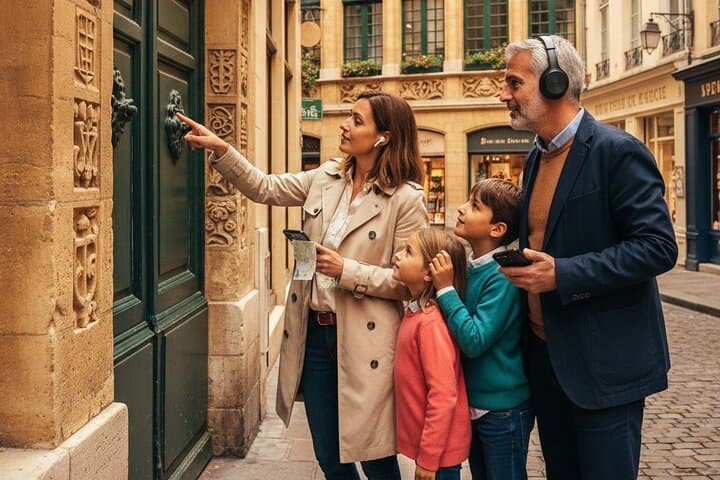
The audio format lets travelers linger at a carved doorway, retrace wartime routes through hidden passages, and pause on a terrace to watch the rivers negotiate the city’s curves. It also points out practical details — where to buy local quenelles, which cafés keep shutters open late, and how to read carved merchant symbols in doorways.
Practical guidance: start in Vieux Lyon and end on Fourvière for the best elevation change and views; allow 3–6 hours or split across days. Bring comfortable shoes for cobbles, headphones for clear narration, a charged phone and a pocket map if signal falters. Time visits to quieter hours (early morning or late afternoon) to avoid crowds at major sites and savor the city on your own terms.