THE ADVENTURE COLLECTIVE® · Independent discovery and booking for outdoor travel

Walk the western Lycian Way from Fethiye to Kaş over eight days of coastal ridgelines, ancient ruins, and secluded bays. This self-guided, luggage-transferred trek blends challenging daily mileage with culturally rich villages and family-run stays.
Walk the western Lycian Way from Fethiye to Kaş over eight days of coastal ridgelines, ancient ruins, and secluded bays. This self-guided, luggage-transferred trek blends challenging daily mileage with culturally rich villages and family-run stays.
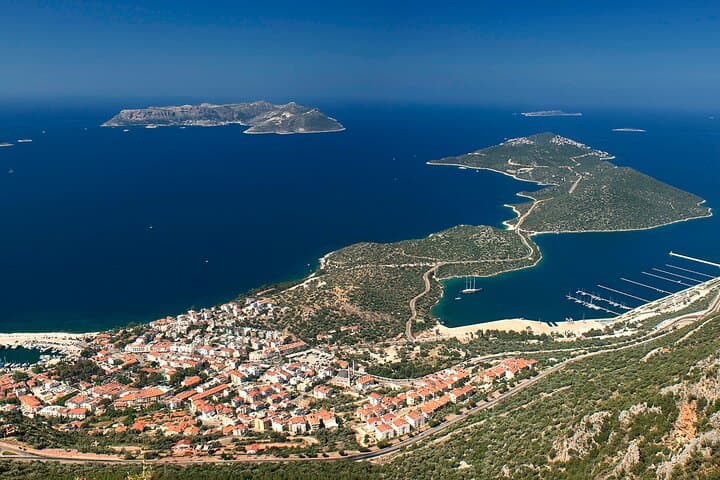
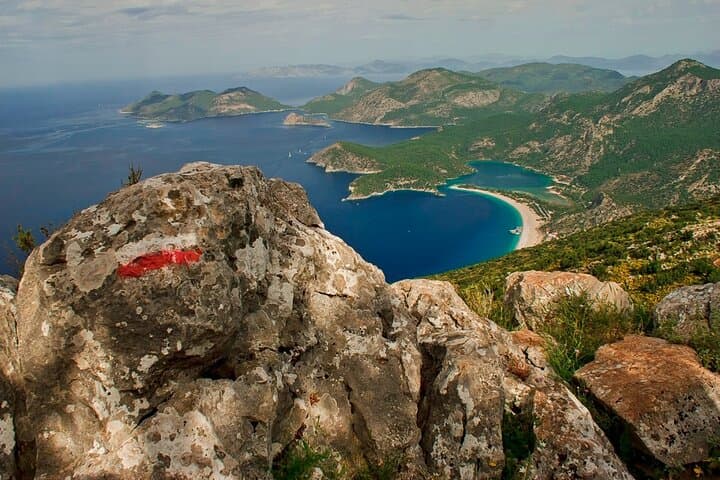
You step off the minibus at Fethiye’s station and the Mediterranean air immediately rewires your pace—salt and pine, a slow climb of sun-warmed stone underfoot. Over the next eight days the coast will push and pull you: narrow ridgelines that give dramatic sea views, shaded cedar tracks, and ancient paved ways that still remember Lycian sandals.
Verified experiences and guided adventures in the surrounding area.
Operated by Globe Outdoors Travel · Fethiye, Muğla
You step off the minibus at Fethiye’s station and the Mediterranean air immediately rewires your pace—salt and pine, a slow climb of sun-warmed stone underfoot. Over the next eight days the coast will push and pull you: narrow ridgelines that give dramatic sea views, shaded cedar tracks, and ancient paved ways that still remember Lycian sandals.
Geology here is blunt and deliberate—limestone cliffs and karst ridges sliced by millennia of wind and sea. The route threads Lycian tombs, Roman theatres and abandoned villages like Kayaköy, the quiet echo of the 1923 population exchange. Local culture is small-scale and direct: shepherds, olive terraces, and pensions where seafood and regional mezes punctuate the day.
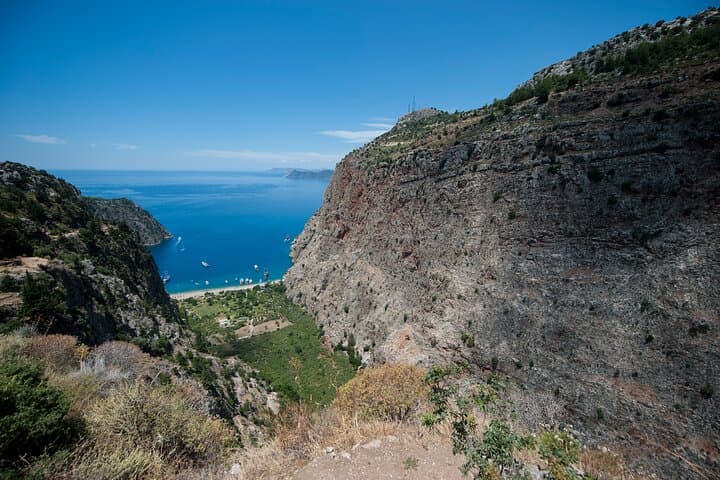
Expect varied terrain—coastal scrub, stone paths, occasional steep descents into bays like Kabak and Butterfly Valley (access to the valley floor is restricted); daily distances commonly range from short 5 km transfers to long 20+ km walking days. Luggage transfer between accommodations removes heavy packs; GPS tracks are provided but basic route-finding is useful when markers thin out.
Plan for heat and sun in summer, muddy stretches in spring and autumn, and short daylight windows by late fall. Hydrate often, protect against sun exposure, and carry basic first-aid for blisters. Accommodations are family-run pensions and small hotels—booked and included—so you’ll sleep well but expect simple comforts. This is a self-guided, supported coastal traverse: it rewards steady legs, curiosity about ruins, and a tolerance for trails that can be as rugged as they are rewarding.
moderate.
8 days.
Suitable for hikers with regular aerobic fitness who can handle consecutive days of walking and 500–1,000 m of ascent on longer stages.
Yes—daily luggage transfer between accommodations is included so you hike with a daypack only.
GPS tracks and notes are provided for self-guided walking; basic navigation skills help when waymarks are sparse.
Spring (April–June) and autumn (September–October) offer the best temperatures and clearer trails; summer is very hot and winter can be wet.
No—entrance fees for sites like Xanthos and Patara are paid locally by each traveler.
This section follows the heartland of ancient Lycia—city-states like Xanthos and Patara that later absorbed Hellenistic and Roman influences; Kayaköy reflects the 1923 population exchange between Greece and Turkey.
Trail erosion and unregulated visitation threaten fragile ruins and nesting beaches; stick to marked paths, pack out waste, and avoid disturbing turtle nesting zones during summer.
Globe Outdoors Travel operates guided outdoor trips and adventures with an emphasis on safety, stewardship, and memorable experiences.

You step off the minibus at Fethiye’s station and the Mediterranean air immediately rewires your pace—salt and pine, a slow climb of sun-warmed stone underfoot. Over the next eight days the coast will push and pull you: narrow ridgelines that give dramatic sea views, shaded cedar tracks, and ancient paved ways that still remember Lycian sandals.
You step off the minibus at Fethiye’s station and the Mediterranean air immediately rewires your pace—salt and pine, a slow climb of sun-warmed stone underfoot. Over the next eight days the coast will push and pull you: narrow ridgelines that give dramatic sea views, shaded cedar tracks, and ancient paved ways that still remember Lycian sandals.
Geology here is blunt and deliberate—limestone cliffs and karst ridges sliced by millennia of wind and sea. The route threads Lycian tombs, Roman theatres and abandoned villages like Kayaköy, the quiet echo of the 1923 population exchange. Local culture is small-scale and direct: shepherds, olive terraces, and pensions where seafood and regional mezes punctuate the day.
Expect varied terrain—coastal scrub, stone paths, occasional steep descents into bays like Kabak and Butterfly Valley (access to the valley floor is restricted); daily distances commonly range from short 5 km transfers to long 20+ km walking days. Luggage transfer between accommodations removes heavy packs; GPS tracks are provided but basic route-finding is useful when markers thin out.
Plan for heat and sun in summer, muddy stretches in spring and autumn, and short daylight windows by late fall. Hydrate often, protect against sun exposure, and carry basic first-aid for blisters. Accommodations are family-run pensions and small hotels—booked and included—so you’ll sleep well but expect simple comforts. This is a self-guided, supported coastal traverse: it rewards steady legs, curiosity about ruins, and a tolerance for trails that can be as rugged as they are rewarding.