THE ADVENTURE COLLECTIVE® · Independent discovery and booking for outdoor travel

Board a luxury trimaran from Cabo San Lucas and head into the migratory corridor where gray and humpback whales concentrate each winter. This two-hour outing pairs high-probability sightings with expert narration and comfortable viewing from a stable vessel.
Board a luxury trimaran from Cabo San Lucas and head into the migratory corridor where gray and humpback whales concentrate each winter. This two-hour outing pairs high-probability sightings with expert narration and comfortable viewing from a stable vessel.
Step onto the aft of a polished trimaran as the marina slips behind you and the Pacific opens into a wind-swept stage where whales pass each winter. The salt air sharpens; gulls wheel; guides scan the horizon with binoculars while the pontoon hums into the bay where whales come to rest and breed.
Verified experiences and guided adventures in the surrounding area.
Operated by Rancho Tours · Cabo San Lucas, Baja California Sur
Step onto the aft of a polished trimaran as the marina slips behind you and the Pacific opens into a wind-swept stage where whales pass each winter. The salt air sharpens; gulls wheel; guides scan the horizon with binoculars while the pontoon hums into the bay where whales come to rest and breed.
This stretch of Baja California Sur has been a seasonal refuge for migrating gray and humpback whales for centuries — indigenous fishermen recorded whale behavior long before tourism. Geologically, Cabo sits where the peninsular granites meet steep sea cliffs and wide continental shelf drops; those underwater contours concentrate nutrients and attract marine life. Local culture blends fishing traditions with modern ecotourism: captains often share stories of calving lagoons and long migrations from Alaska.
Expect close encounters from January through April when calves and mothers frequent sheltered waters. Trips usually last about two hours, operating from the Marina in Cabo San Lucas and running along both the bay and short stretches of the Pacific side. Wildlife sightings are common but never guaranteed; binoculars, a steady deck, and patience help. Wear windproof layers, bring sunscreen and a small daypack, and arrive early to avoid crowds at the marina.
Onboard, operators provide bottled water, light refreshments, and lifejackets; the boat is suitable for most travelers but not recommended for people with serious back or heart conditions. Plan transfers, check weather cancellations, and respect distance rules if animals approach — keeping the encounter safe for both guests and whales.
easy.
2 hours.
Suitable for most adults and families; requires basic mobility to board a low-profile vessel
The main season runs from January through April when migrating gray and humpback whales visit Baja’s waters.
No — sightings are highly likely during season but not guaranteed because whales are wild animals and their movements vary.
Yes; infants must sit on an adult’s lap and the vessel provides lifejackets, but parents should consider motion sensitivity and safety briefings.
Tours are canceled or rescheduled in unsafe sea conditions; operators typically offer refunds if canceled at least 24 hours before departure.
Local communities have observed migratory whales for generations; modern whale watching in Los Cabos developed alongside growing conservation awareness in the late 20th century.
Operators follow distance and approach guidelines to minimize disturbance; visitors are encouraged to avoid single-use plastics and respect marine protected area rules.
Rancho Tours operates guided outdoor trips and adventures with an emphasis on safety, stewardship, and memorable experiences.
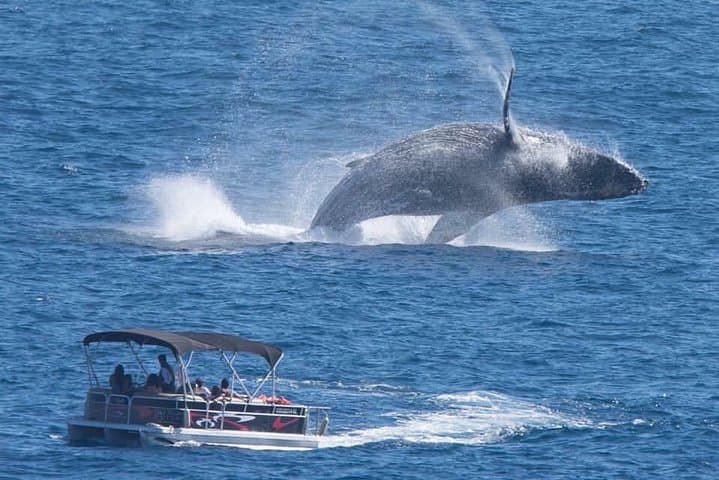
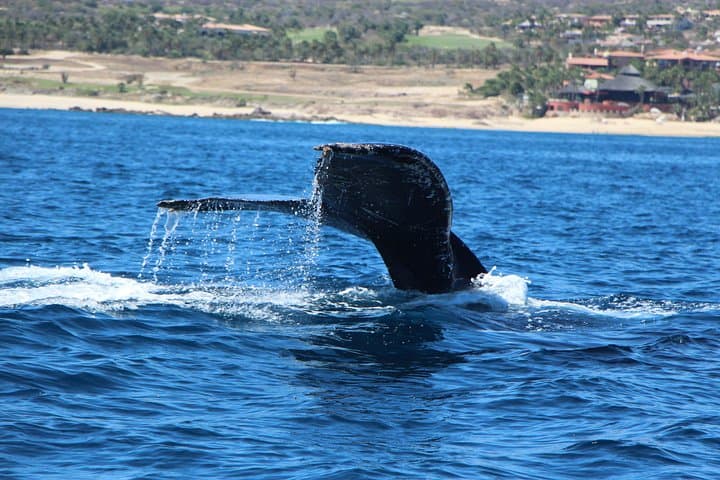
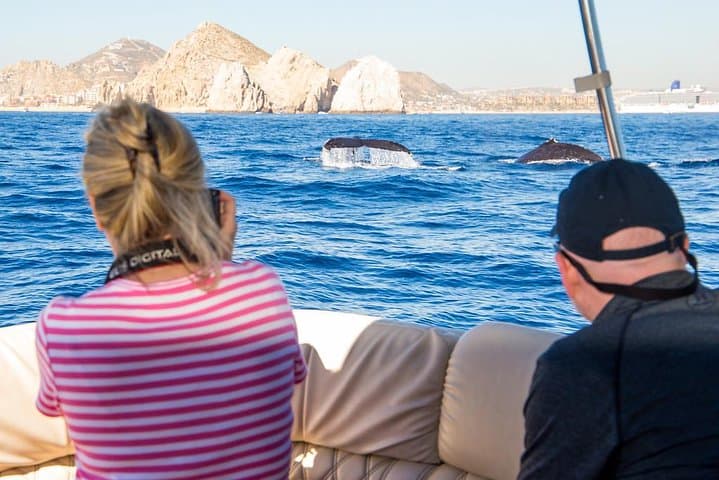
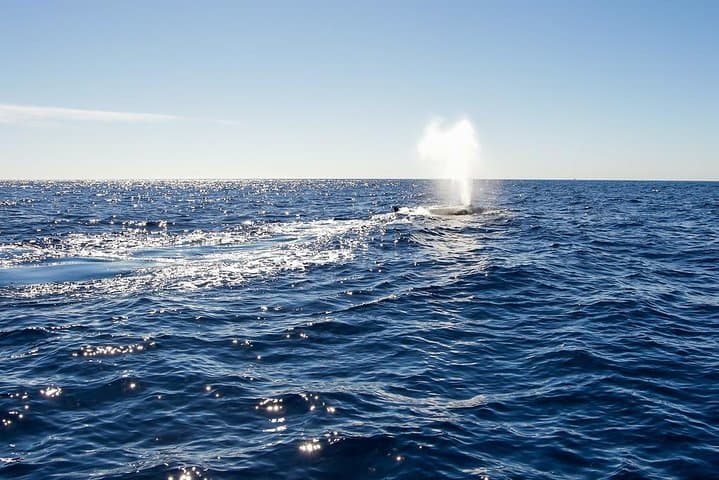
Step onto the aft of a polished trimaran as the marina slips behind you and the Pacific opens into a wind-swept stage where whales pass each winter. The salt air sharpens; gulls wheel; guides scan the horizon with binoculars while the pontoon hums into the bay where whales come to rest and breed.
Step onto the aft of a polished trimaran as the marina slips behind you and the Pacific opens into a wind-swept stage where whales pass each winter. The salt air sharpens; gulls wheel; guides scan the horizon with binoculars while the pontoon hums into the bay where whales come to rest and breed.
This stretch of Baja California Sur has been a seasonal refuge for migrating gray and humpback whales for centuries — indigenous fishermen recorded whale behavior long before tourism. Geologically, Cabo sits where the peninsular granites meet steep sea cliffs and wide continental shelf drops; those underwater contours concentrate nutrients and attract marine life. Local culture blends fishing traditions with modern ecotourism: captains often share stories of calving lagoons and long migrations from Alaska.
Expect close encounters from January through April when calves and mothers frequent sheltered waters. Trips usually last about two hours, operating from the Marina in Cabo San Lucas and running along both the bay and short stretches of the Pacific side. Wildlife sightings are common but never guaranteed; binoculars, a steady deck, and patience help. Wear windproof layers, bring sunscreen and a small daypack, and arrive early to avoid crowds at the marina.
Onboard, operators provide bottled water, light refreshments, and lifejackets; the boat is suitable for most travelers but not recommended for people with serious back or heart conditions. Plan transfers, check weather cancellations, and respect distance rules if animals approach — keeping the encounter safe for both guests and whales.