THE ADVENTURE COLLECTIVE® · Independent discovery and booking for outdoor travel

Spend a full day exploring Chichén Itzá with a guided tour, swim in two sacred cenotes, and stroll historic Valladolid. This luxury day-trip from Tulum packs archaeology, freshwater caverns, and regional cuisine into an immersive itinerary.
Spend a full day exploring Chichén Itzá with a guided tour, swim in two sacred cenotes, and stroll historic Valladolid. This luxury day-trip from Tulum packs archaeology, freshwater caverns, and regional cuisine into an immersive itinerary.
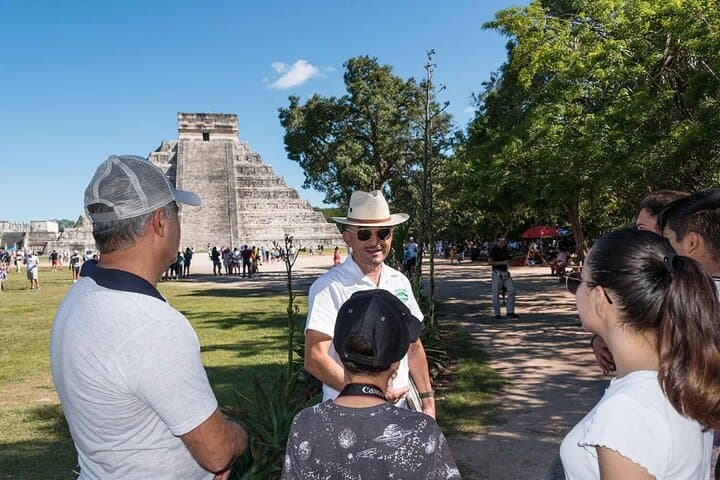
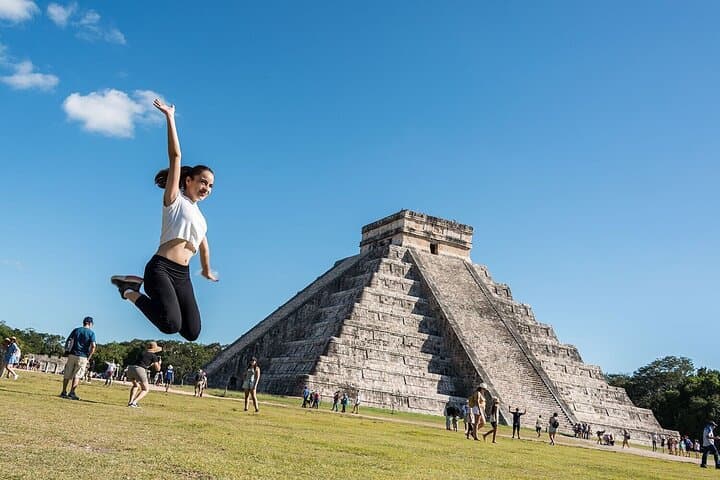
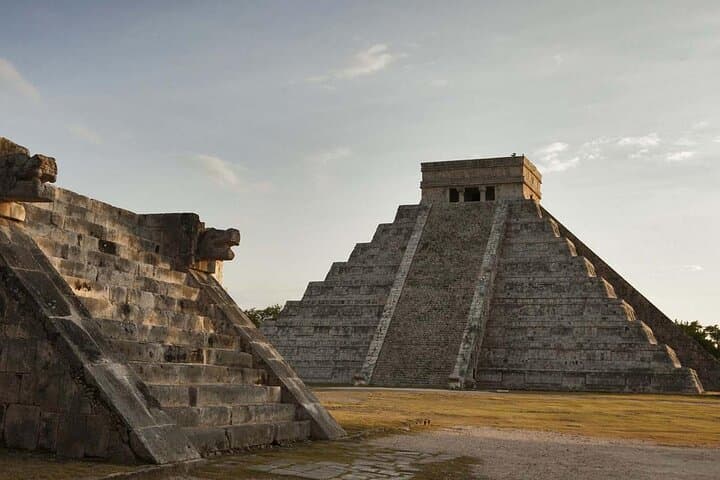
You step off the air-conditioned coach into a dry wind that seems to pull stories from stone. The Kukulkán pyramid rises in ordered tiers, its angles casting the seasonal shadow that once marked agricultural cycles. Nearby, the Temple of the Warriors and the Observatory hold tight lines of carved reliefs and niches—archaeology with the blunt, human scale of labor and astronomy.
Verified experiences and guided adventures in the surrounding area.
Operated by Pata de peek travel · Pisté, Yucatán
You step off the air-conditioned coach into a dry wind that seems to pull stories from stone. The Kukulkán pyramid rises in ordered tiers, its angles casting the seasonal shadow that once marked agricultural cycles. Nearby, the Temple of the Warriors and the Observatory hold tight lines of carved reliefs and niches—archaeology with the blunt, human scale of labor and astronomy.
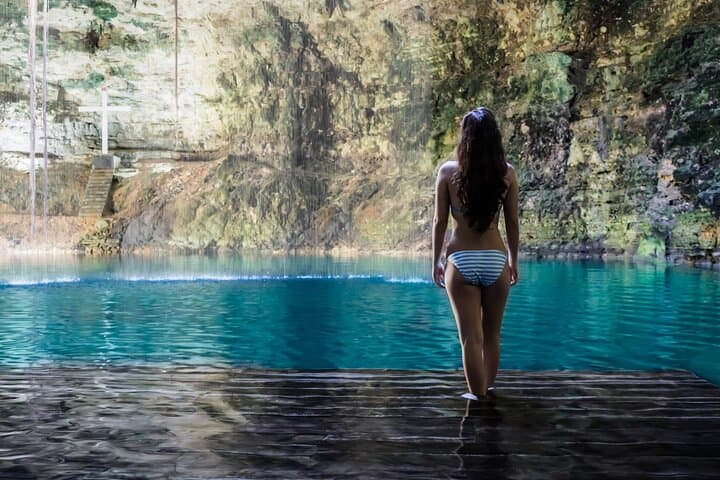
Chichén Itzá sits on limestone bedrock carved by underground rivers; cenotes like Ik Kil and Hubikú are collapsed caverns where the water table meets the surface. The Mayans treated these sinkholes as sacred wells—places of ritual and freshwater—so swims feel like sliding into a chapter of living geology and culture. Later, Valladolid’s colonial plaza and San Servacio church offer a quieter counterpoint: pastel facades, local markets, and Yucatecan dishes that ground the day in regional flavor.
Practical side: expect an 11–12 hour day with guided walking at the ruins, scheduled swims at two cenotes, and a buffet lunch. Wear sturdy sandals or trainers for uneven limestone and bring swimwear, towel, biodegradable sunscreen, insect repellent, and cash for the preservation tax. Mornings are cooler for photography and smaller crowds; late afternoon may be hotter and busier. The tour suits travelers comfortable with full-day excursions and moderate walking—it's curated to remove shopping stops and focus on the sites listed, but long transfers mean pacing and hydration are nonnegotiable.
moderate.
11–12 hours.
Suitable for travelers in average physical condition who can walk on uneven ground and manage a full day of activity.
Access to Chichén Itzá is included, though note the local preservation tax (approximately USD 15 per adult) is charged separately at the site.
Yes; the itinerary includes scheduled swims at Cenote Ik Kil and a second cenote (Hubikú or similar), with changing facilities available.
Pickup points are provided at designated locations in Tulum; the operator confirms exact pickup during booking and may consolidate guests before joining the main bus.
The tour is physically moderate with some stairs and uneven surfaces; it's generally suitable for families, but not recommended for those with serious mobility limitations or spinal issues.
Chichén Itzá was a major Maya city from the Late Classic through the Terminal Classic; its structures reflect astronomical knowledge and regional trade networks.
Visitors are asked to follow site rules, pay preservation fees that support conservation, avoid non-biodegradable sunscreens in cenotes, and minimize single-use plastics.
Pata de peek travel operates guided outdoor trips and adventures with an emphasis on safety, stewardship, and memorable experiences.
You step off the air-conditioned coach into a dry wind that seems to pull stories from stone. The Kukulkán pyramid rises in ordered tiers, its angles casting the seasonal shadow that once marked agricultural cycles. Nearby, the Temple of the Warriors and the Observatory hold tight lines of carved reliefs and niches—archaeology with the blunt, human scale of labor and astronomy.
You step off the air-conditioned coach into a dry wind that seems to pull stories from stone. The Kukulkán pyramid rises in ordered tiers, its angles casting the seasonal shadow that once marked agricultural cycles. Nearby, the Temple of the Warriors and the Observatory hold tight lines of carved reliefs and niches—archaeology with the blunt, human scale of labor and astronomy.
Chichén Itzá sits on limestone bedrock carved by underground rivers; cenotes like Ik Kil and Hubikú are collapsed caverns where the water table meets the surface. The Mayans treated these sinkholes as sacred wells—places of ritual and freshwater—so swims feel like sliding into a chapter of living geology and culture. Later, Valladolid’s colonial plaza and San Servacio church offer a quieter counterpoint: pastel facades, local markets, and Yucatecan dishes that ground the day in regional flavor.
Practical side: expect an 11–12 hour day with guided walking at the ruins, scheduled swims at two cenotes, and a buffet lunch. Wear sturdy sandals or trainers for uneven limestone and bring swimwear, towel, biodegradable sunscreen, insect repellent, and cash for the preservation tax. Mornings are cooler for photography and smaller crowds; late afternoon may be hotter and busier. The tour suits travelers comfortable with full-day excursions and moderate walking—it's curated to remove shopping stops and focus on the sites listed, but long transfers mean pacing and hydration are nonnegotiable.