THE ADVENTURE COLLECTIVE® · Independent discovery and booking for outdoor travel

Travel in a private luxury car from Delhi to Agra for a guided visit to the Taj Mahal and Agra Fort, plus a five-star buffet lunch. This day trip pairs skip-the-line access and professional commentary with comfortable transfers for a focused cultural experience.
Travel in a private luxury car from Delhi to Agra for a guided visit to the Taj Mahal and Agra Fort, plus a five-star buffet lunch. This day trip pairs skip-the-line access and professional commentary with comfortable transfers for a focused cultural experience.
The road arrives before the mausoleum does: a smooth ribbon of highway that slides past mustard fields and the occasional line of banyan trees, carrying travelers from Delhi into the flat floodplain where the Yamuna keeps time. By the time the Taj Mahal emerges—an almost geometric white silhouette against the sky—visitors are already primed for its scale. The marble seems to hold breath; the river dares the reflecting pools to keep pace.
Verified experiences and guided adventures in the surrounding area.
Operated by Raj Tour and Travel-Agra · Agra, Uttar Pradesh
The road arrives before the mausoleum does: a smooth ribbon of highway that slides past mustard fields and the occasional line of banyan trees, carrying travelers from Delhi into the flat floodplain where the Yamuna keeps time. By the time the Taj Mahal emerges—an almost geometric white silhouette against the sky—visitors are already primed for its scale. The marble seems to hold breath; the river dares the reflecting pools to keep pace.
Built in the 17th century by Shah Jahan for Mumtaz Mahal, the Taj is a story in stone about empire, grief and skilled craftsmanship. Agra Fort's red sandstone walls nearby trace a different chapter: military power softened by palace gardens and ornate pavilions. Geologically the region is alluvial plain—soft soils that have allowed rivers to shape the landscape and, over centuries, create the sightlines that frame the monuments.
A private, luxury car transfer compresses travel time and expands comfort, turning a long day into a focused cultural immersion. Expect guided walkthroughs at both monuments, skip-the-line entry, and a substantial five-course buffet at a five-star hotel—useful for a hot noon when shade is welcome more than another sight.
Practical guidance: book a morning departure to avoid heat and crowds, carry ID for monument entry, and wear comfortable, easy-to-remove shoes for security checks and marble terraces. Keep water on hand—the Yamuna’s breeze can be fickle—and plan for roughly 10–12 hours door-to-door. This is a day for pacing: see the masterpieces, listen to the guide’s layers of history, and let the scale of the Mughal era settle in before the drive back to the city.
easy.
10–12 hours.
Suitable for travelers in average physical condition; involves moderate walking on flat and stepped surfaces and standing during guided talks.
The Taj Mahal is closed to visitors on Fridays for prayers; plan your day-trip on a different weekday or a weekend day that isn’t Friday.
This tour includes entrance fees for the Taj Mahal and Agra Fort as part of the package; bring ID for verification at ticket counters.
Yes, the tour provides private pickup and drop-off in Delhi; confirm your exact pickup location and time when booking.
There’s no formal uniform, but modest clothing that covers shoulders and knees is recommended out of cultural respect and for comfort.
The Taj Mahal was commissioned by Emperor Shah Jahan in 1632 as a mausoleum for his wife Mumtaz Mahal; Agra Fort served as a Mughal administrative center and palace complex.
Heavy visitor numbers and air pollution affect marble preservation; support guided paths, avoid touching inlaid panels, and use official access routes to reduce wear.
Raj Tour and Travel-Agra operates guided outdoor trips and adventures with an emphasis on safety, stewardship, and memorable experiences.
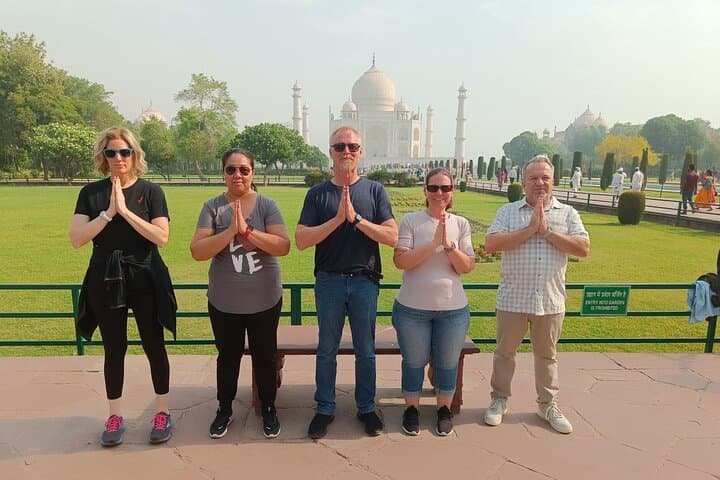
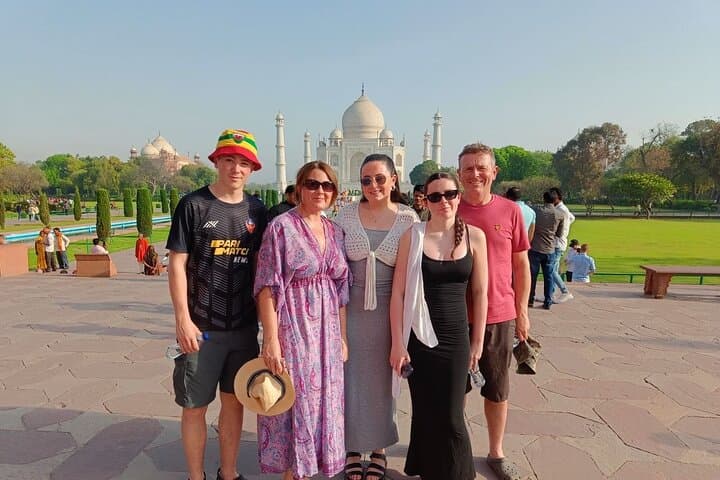
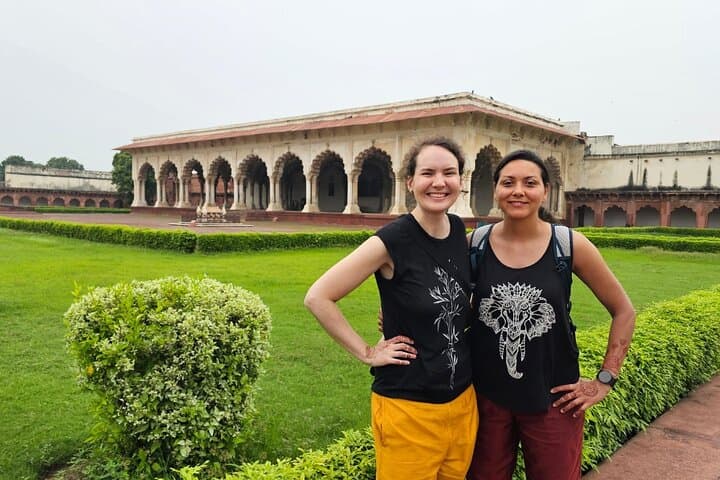

The road arrives before the mausoleum does: a smooth ribbon of highway that slides past mustard fields and the occasional line of banyan trees, carrying travelers from Delhi into the flat floodplain where the Yamuna keeps time. By the time the Taj Mahal emerges—an almost geometric white silhouette against the sky—visitors are already primed for its scale. The marble seems to hold breath; the river dares the reflecting pools to keep pace.
The road arrives before the mausoleum does: a smooth ribbon of highway that slides past mustard fields and the occasional line of banyan trees, carrying travelers from Delhi into the flat floodplain where the Yamuna keeps time. By the time the Taj Mahal emerges—an almost geometric white silhouette against the sky—visitors are already primed for its scale. The marble seems to hold breath; the river dares the reflecting pools to keep pace.
Built in the 17th century by Shah Jahan for Mumtaz Mahal, the Taj is a story in stone about empire, grief and skilled craftsmanship. Agra Fort's red sandstone walls nearby trace a different chapter: military power softened by palace gardens and ornate pavilions. Geologically the region is alluvial plain—soft soils that have allowed rivers to shape the landscape and, over centuries, create the sightlines that frame the monuments.
A private, luxury car transfer compresses travel time and expands comfort, turning a long day into a focused cultural immersion. Expect guided walkthroughs at both monuments, skip-the-line entry, and a substantial five-course buffet at a five-star hotel—useful for a hot noon when shade is welcome more than another sight.
Practical guidance: book a morning departure to avoid heat and crowds, carry ID for monument entry, and wear comfortable, easy-to-remove shoes for security checks and marble terraces. Keep water on hand—the Yamuna’s breeze can be fickle—and plan for roughly 10–12 hours door-to-door. This is a day for pacing: see the masterpieces, listen to the guide’s layers of history, and let the scale of the Mughal era settle in before the drive back to the city.