THE ADVENTURE COLLECTIVE® · Independent discovery and booking for outdoor travel

A six-day private road trip through Shanxi moves from the carved sanctuaries of Yungang to the cliff-hung Hanging Temple, the walled lanes of Pingyao, and the temple peaks of Wutai. Expect comfortable travel, short steep walks, and immersive cultural sites with guided access.
A six-day private road trip through Shanxi moves from the carved sanctuaries of Yungang to the cliff-hung Hanging Temple, the walled lanes of Pingyao, and the temple peaks of Wutai. Expect comfortable travel, short steep walks, and immersive cultural sites with guided access.
You arrive in Datong with a driver who knows each mountain pass and toll booth; the limousine hums away from the city and the landscape opens into ochre ridges and terraced fields. On day one ancient Buddhas gaze out from cool grottoes carved into sandstone cliffs; later you stand on a restored Ming-era wall watching city life compress into a neat grid below.
Verified experiences and guided adventures in the surrounding area.
Operated by John · Datong, Shanxi
You arrive in Datong with a driver who knows each mountain pass and toll booth; the limousine hums away from the city and the landscape opens into ochre ridges and terraced fields. On day one ancient Buddhas gaze out from cool grottoes carved into sandstone cliffs; later you stand on a restored Ming-era wall watching city life compress into a neat grid below.
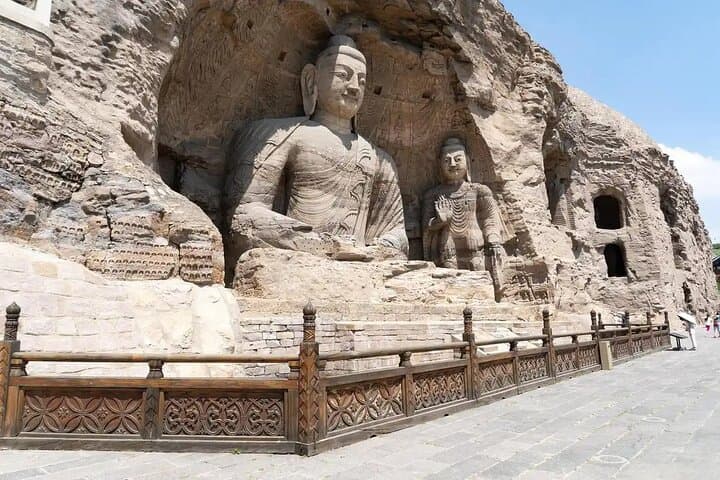
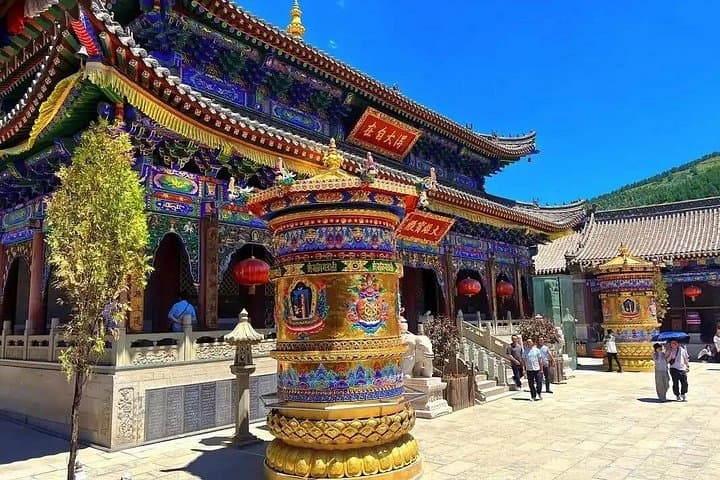
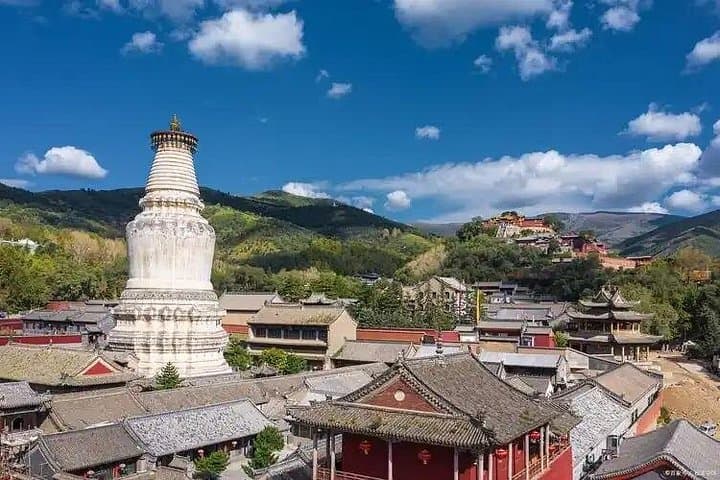
Shanxi wears its history in rock and timber. The Yungang Grottoes date to the Northern Wei (5th century), a massive collection of carved Buddhas hewn from sandstone. The Hanging Temple perches on a limestone cliff, a structural oddity that blends Buddhism, Taoism and Confucian practice. Pingyao preserves Ming–Qing era streets and the Rishengchang exchange that helped birth modern Chinese banking. Wutai Mountain—one of China’s five sacred Buddhist peaks—offers high-altitude temples and granite ridgelines shaped by eons of uplift and erosion.
Expect short, steep walks on uneven stone steps at temples and wide drives between towns; Wutai involves higher elevation and cooler air. Practical notes: carry layered clothing for rapid temperature shifts, a reusable water bottle, and sturdy walking shoes for steps and cobbled lanes. Bring a small daypack for offerings, sunscreen, and a portable charger—power at luxury hotels is reliable but pockets for a long day are handy.
Timing matters—arrive early at major sites to avoid tour crowds and to see light angle across carved reliefs. Confirm language preferences when booking guides, and respect signage: no touching sculptures, follow temple etiquette, and prepare for modest photography rules.
easy.
6 days.
Suitable for most fitness levels; participants should be comfortable with short steep stair climbs and periods of standing.
Yes—this tour description includes admission to the listed attractions such as Yungang Grottoes, Hanging Temple, Pingyao sites and Wutai temples.
Yes—the itinerary specifies a premium Mercedes-Benz S-Class limousine with complimentary bottled water, Wi‑Fi, and private driver service.
Private guided tours are included; language options vary—confirm your preferred language at booking to ensure an English-speaking guide is provided.
Wutai involves higher elevation and multiple temple staircases; it’s not technical but expect steeper walking and cooler temperatures—take it at a steady pace.
Shanxi was a financial heartland in imperial China—Pingyao’s Rishengchang is often cited as the birthplace of modern Chinese banking; Yungang reflects Northern Wei Buddhist patronage from the 5th century.
Major sites enforce preservation measures and visitor guidelines—avoid touching carvings, stay on paths, and follow temple rules to reduce wear on fragile structures.
John operates guided outdoor trips and adventures with an emphasis on safety, stewardship, and memorable experiences.

You arrive in Datong with a driver who knows each mountain pass and toll booth; the limousine hums away from the city and the landscape opens into ochre ridges and terraced fields. On day one ancient Buddhas gaze out from cool grottoes carved into sandstone cliffs; later you stand on a restored Ming-era wall watching city life compress into a neat grid below.
You arrive in Datong with a driver who knows each mountain pass and toll booth; the limousine hums away from the city and the landscape opens into ochre ridges and terraced fields. On day one ancient Buddhas gaze out from cool grottoes carved into sandstone cliffs; later you stand on a restored Ming-era wall watching city life compress into a neat grid below.
Shanxi wears its history in rock and timber. The Yungang Grottoes date to the Northern Wei (5th century), a massive collection of carved Buddhas hewn from sandstone. The Hanging Temple perches on a limestone cliff, a structural oddity that blends Buddhism, Taoism and Confucian practice. Pingyao preserves Ming–Qing era streets and the Rishengchang exchange that helped birth modern Chinese banking. Wutai Mountain—one of China’s five sacred Buddhist peaks—offers high-altitude temples and granite ridgelines shaped by eons of uplift and erosion.
Expect short, steep walks on uneven stone steps at temples and wide drives between towns; Wutai involves higher elevation and cooler air. Practical notes: carry layered clothing for rapid temperature shifts, a reusable water bottle, and sturdy walking shoes for steps and cobbled lanes. Bring a small daypack for offerings, sunscreen, and a portable charger—power at luxury hotels is reliable but pockets for a long day are handy.
Timing matters—arrive early at major sites to avoid tour crowds and to see light angle across carved reliefs. Confirm language preferences when booking guides, and respect signage: no touching sculptures, follow temple etiquette, and prepare for modest photography rules.