THE ADVENTURE COLLECTIVE® · Independent discovery and booking for outdoor travel

Sail between Aswan and Luxor aboard a private 5-star Nile cruise, combining exclusive Egyptologist-led temple tours with gourmet dining and relaxed river travel. Explore Philae, Kom Ombo, Edfu, Karnak and the Valley of the Kings over four days.
Sail between Aswan and Luxor aboard a private 5-star Nile cruise, combining exclusive Egyptologist-led temple tours with gourmet dining and relaxed river travel. Explore Philae, Kom Ombo, Edfu, Karnak and the Valley of the Kings over four days.
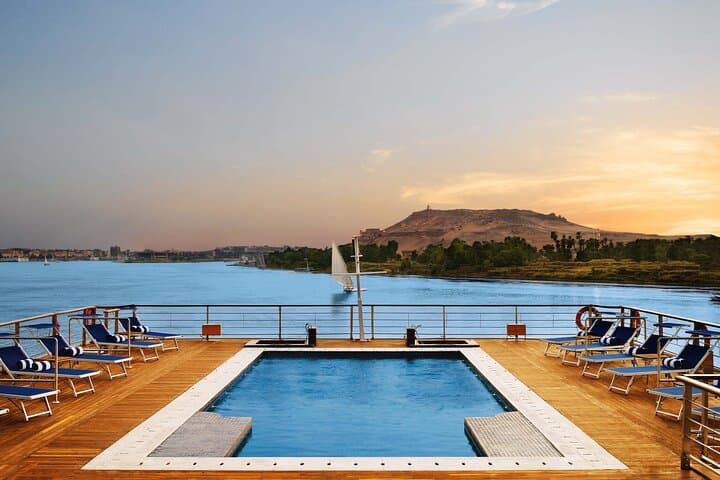
The ship eases away from Aswan at dusk — lanterns blink on the quay, palm shadows slide along the water, and the Nile lays out a slow, ink-black highway toward ancient stone.
Verified experiences and guided adventures in the surrounding area.
Operated by Saray El-Nile · Aswan, Aswan Governorate
The ship eases away from Aswan at dusk — lanterns blink on the quay, palm shadows slide along the water, and the Nile lays out a slow, ink-black highway toward ancient stone.
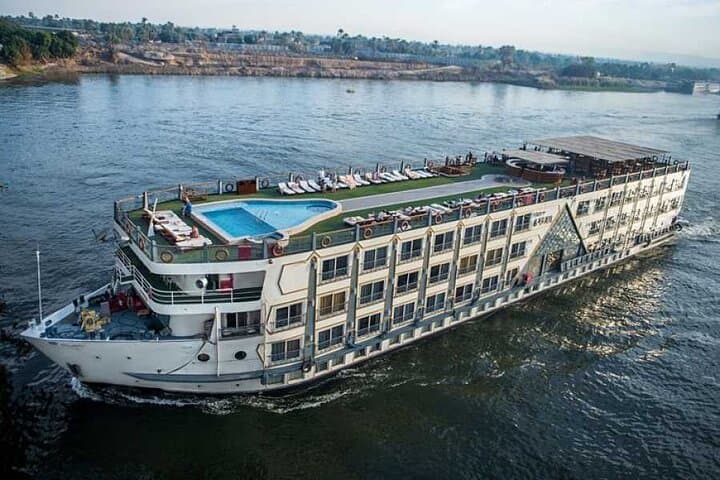
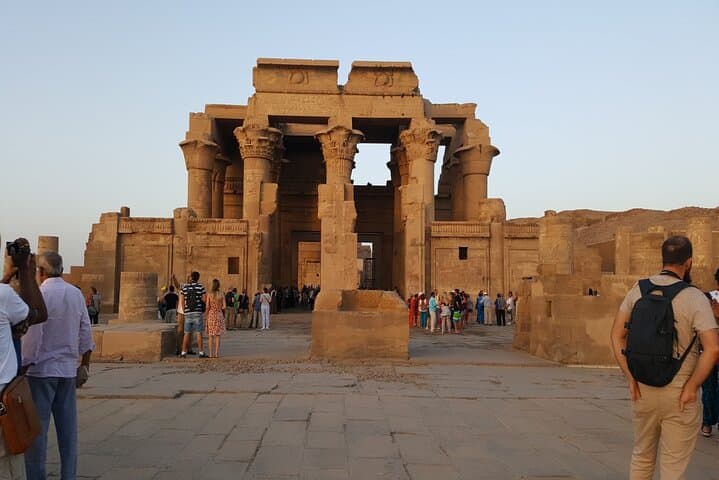
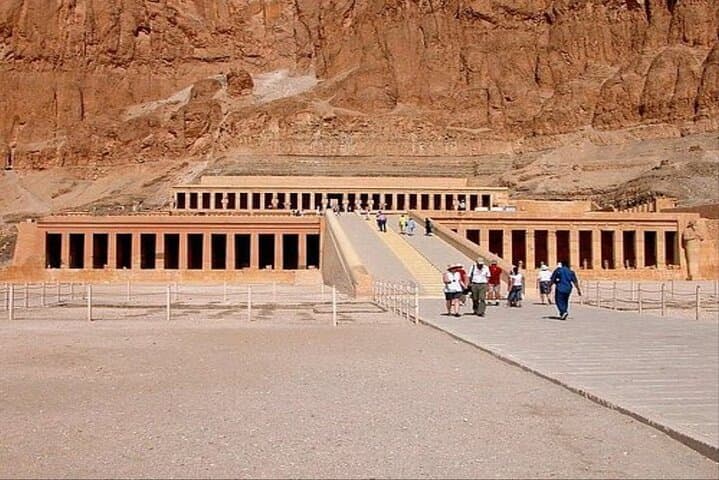
Over four days aboard a five-star dahabiya-style cruise, travelers move at the river’s pace between Aswan and Luxor, stopping at the Aswan High Dam, Philae, Kom Ombo, Edfu, Karnak, Luxor Temple, the Valley of the Kings and Hatshepsut’s terraces. This stretch of the Nile traces human history: granite quarries and desert escarpments give way to palm-lined banks and millennia-old monuments carved where the river carved a route through the desert.
Geologically, the corridor is where the Nile’s fertile silt meets Nubian basement rock; culturally, it’s the heartland of Egypt’s New Kingdom. A private Egyptologist turns hieroglyphs and reliefs into narrative — gods, pharaohs, and funerary rites — while the ship’s crew handles logistics and dining so the day starts and ends with comfort.
Practical note: expect about 200–250 km of river travel spread over four days with short, guided walks at each site; walking surfaces range from flat temple plazas to uneven tomb passages with low ceilings. Temperatures are highest in summer, so schedule temple visits for morning or late afternoon, carry water, and use sun protection. Modest dress is required at religious and archaeological sites. Travel is physically easy but involves repeated embarkation and short hikes; comfortable shoes and a flexible pace make the journey pleasurable. For travelers seeking concentrated history, gentle river scenery, and a private interpretive experience, this cruise is a measured, luxurious way to move through Egypt’s most iconic sites.
easy.
4 days.
Suitable for travelers in average physical condition who can manage short, uneven walks and repeated embarkation; no sustained uphill hiking.
Tipping policies vary; although many service charges are included, it’s customary to tip the crew and private guide separately — bring small notes in Egyptian pounds.
Many nationalities require a tourist visa for Egypt; check current visa rules before travel and carry passport pages free for stamping.
Most site visits involve short walks and some stairs — the tour is classified as physically easy, but tombs often have low ceilings and uneven steps.
Yes — the cruise accommodates families, though infants usually must sit on an adult’s lap during transfers and some temple areas are not stroller-friendly.
This river corridor hosted pharaonic capitals and royal necropolises; many temples were built or expanded during the New Kingdom (c. 1550–1070 BCE).
Rising tourism and Nile-level changes make responsible visitation important — follow path restrictions, avoid touching carvings, and use minimal plastic while onboard.
Saray El-Nile operates guided outdoor trips and adventures with an emphasis on safety, stewardship, and memorable experiences.
The ship eases away from Aswan at dusk — lanterns blink on the quay, palm shadows slide along the water, and the Nile lays out a slow, ink-black highway toward ancient stone.
The ship eases away from Aswan at dusk — lanterns blink on the quay, palm shadows slide along the water, and the Nile lays out a slow, ink-black highway toward ancient stone.
Over four days aboard a five-star dahabiya-style cruise, travelers move at the river’s pace between Aswan and Luxor, stopping at the Aswan High Dam, Philae, Kom Ombo, Edfu, Karnak, Luxor Temple, the Valley of the Kings and Hatshepsut’s terraces. This stretch of the Nile traces human history: granite quarries and desert escarpments give way to palm-lined banks and millennia-old monuments carved where the river carved a route through the desert.
Geologically, the corridor is where the Nile’s fertile silt meets Nubian basement rock; culturally, it’s the heartland of Egypt’s New Kingdom. A private Egyptologist turns hieroglyphs and reliefs into narrative — gods, pharaohs, and funerary rites — while the ship’s crew handles logistics and dining so the day starts and ends with comfort.
Practical note: expect about 200–250 km of river travel spread over four days with short, guided walks at each site; walking surfaces range from flat temple plazas to uneven tomb passages with low ceilings. Temperatures are highest in summer, so schedule temple visits for morning or late afternoon, carry water, and use sun protection. Modest dress is required at religious and archaeological sites. Travel is physically easy but involves repeated embarkation and short hikes; comfortable shoes and a flexible pace make the journey pleasurable. For travelers seeking concentrated history, gentle river scenery, and a private interpretive experience, this cruise is a measured, luxurious way to move through Egypt’s most iconic sites.