THE ADVENTURE COLLECTIVE® · Independent discovery and booking for outdoor travel

Spend two days traveling from Fez to Marrakech with a luxury overnight in the Erg Chebbi dunes. This practical guide covers what to expect—driving stages, desert geology, cultural stops, and essential planning tips for a comfortable desert night.
Spend two days traveling from Fez to Marrakech with a luxury overnight in the Erg Chebbi dunes. This practical guide covers what to expect—driving stages, desert geology, cultural stops, and essential planning tips for a comfortable desert night.
You wake before dawn on the Atlas road as cedar-clad ridgelines give way to stony plateaus and then, slowly, to the amber ripples of Erg Chebbi. The driver eases the vehicle onto a track; the desert light sharpens and the dunes begin to loom—each crest a page in a landscape that changes with every gust.
Verified experiences and guided adventures in the surrounding area.
Operated by Adil Sahara Tours · Merzouga, Drâa-Tafilalet
You wake before dawn on the Atlas road as cedar-clad ridgelines give way to stony plateaus and then, slowly, to the amber ripples of Erg Chebbi. The driver eases the vehicle onto a track; the desert light sharpens and the dunes begin to loom—each crest a page in a landscape that changes with every gust.
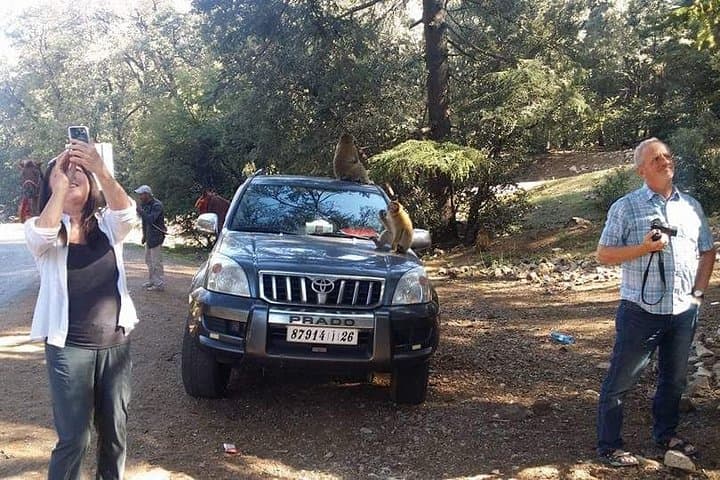
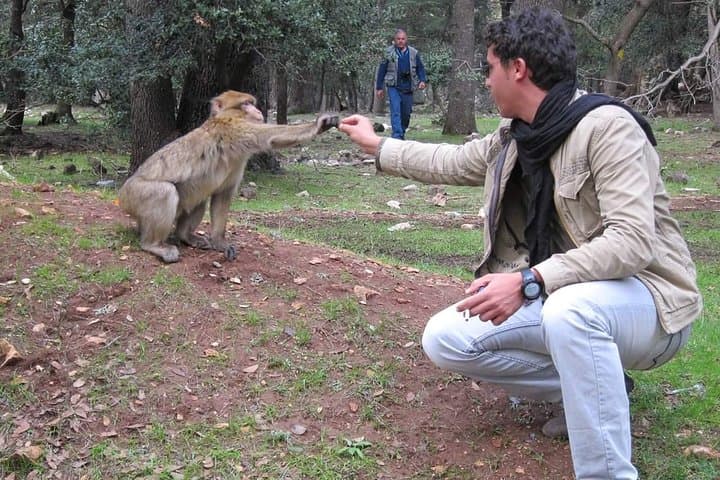
This two-day route threads Moroccan geography and history: the Middle Atlas towns of Ifrane and Azrou, with their cedar forests and Barbary macaques; the apple-growing valleys around Midelt; the Ziz Valley’s palm-lined oases; and Rissani’s markets, birthplace of the Alaouite dynasty. Geologically, the journey moves from rugged metamorphic highlands into wind-formed sand seas—Erg Chebbi’s dunes are recent, mobile deposits shaped by Sahara winds.
Culturally, you’ll encounter Gnawa music in small villages and ksar architecture near Ouarzazate and Aït Ben Haddou, where earthen fortifications testify to trans-Saharan trade routes. Local guides steer you to respectful encounters and brief walks from camp to wide desert viewpoints.
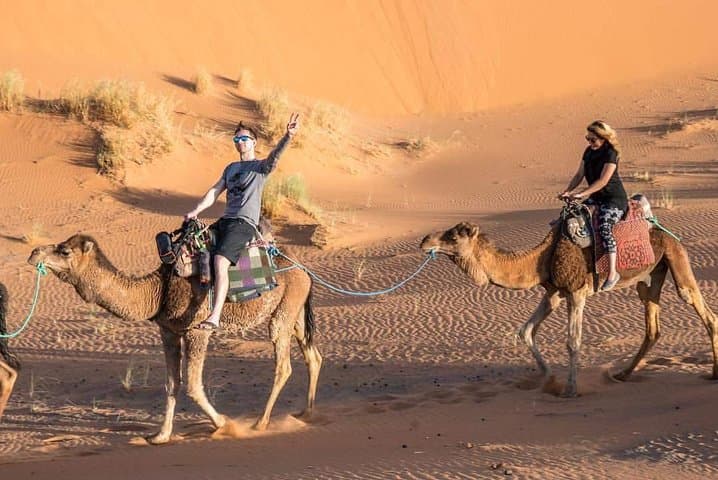
Practical guidance: pack sun protection, a headlamp and layered clothing for dramatic temperature swings, and break up long transfers with water and motion-sickness precautions. Camel rides across the edge of the dunes are short; most walking is on soft sand, so gaiters or sturdy shoes help. If you’re driving the route yourself, allow extra time for stops at viewpoints and souks—this itinerary balances easy paced walking with extended vehicle time.
A luxury camp in Merzouga offers running water, dinner, and breakfast—comfort where the desert feels vast and immediate. Time your visit for sunrise and sunset on the dunes: that’s when the desert shows its full personality—shifting, daring, and unexpectedly intimate.
moderate.
2 days (48 hours).
Suitable for travelers in average fitness who can handle long vehicle transfers, short camel rides, and walking on loose sand.
Pickup is typically at 08:00 from your Fez hotel or riad; confirm exact pickup point and time when you book.
The tour lists wheelchair-accessible transport and accommodations, but dune walking and camel rides are not easily accessible—notify the operator of mobility needs in advance.
Yes—dinner at the luxury desert camp and breakfast the following morning are included in the itinerary.
This is a private tour; discuss customizing pickup, drop-off or adding stops with the operator when you book.
Rissani is known as a cradle of the Alaouite dynasty; Aït Ben Haddou exemplifies southern Morocco’s earthen ksour used along historic caravan routes.
Dune ecosystems are fragile and water is scarce; stick to marked tracks, take all waste with you, and avoid driving on vegetated dune margins.
Adil Sahara Tours operates guided outdoor trips and adventures with an emphasis on safety, stewardship, and memorable experiences.
You wake before dawn on the Atlas road as cedar-clad ridgelines give way to stony plateaus and then, slowly, to the amber ripples of Erg Chebbi. The driver eases the vehicle onto a track; the desert light sharpens and the dunes begin to loom—each crest a page in a landscape that changes with every gust.
You wake before dawn on the Atlas road as cedar-clad ridgelines give way to stony plateaus and then, slowly, to the amber ripples of Erg Chebbi. The driver eases the vehicle onto a track; the desert light sharpens and the dunes begin to loom—each crest a page in a landscape that changes with every gust.
This two-day route threads Moroccan geography and history: the Middle Atlas towns of Ifrane and Azrou, with their cedar forests and Barbary macaques; the apple-growing valleys around Midelt; the Ziz Valley’s palm-lined oases; and Rissani’s markets, birthplace of the Alaouite dynasty. Geologically, the journey moves from rugged metamorphic highlands into wind-formed sand seas—Erg Chebbi’s dunes are recent, mobile deposits shaped by Sahara winds.
Culturally, you’ll encounter Gnawa music in small villages and ksar architecture near Ouarzazate and Aït Ben Haddou, where earthen fortifications testify to trans-Saharan trade routes. Local guides steer you to respectful encounters and brief walks from camp to wide desert viewpoints.
Practical guidance: pack sun protection, a headlamp and layered clothing for dramatic temperature swings, and break up long transfers with water and motion-sickness precautions. Camel rides across the edge of the dunes are short; most walking is on soft sand, so gaiters or sturdy shoes help. If you’re driving the route yourself, allow extra time for stops at viewpoints and souks—this itinerary balances easy paced walking with extended vehicle time.
A luxury camp in Merzouga offers running water, dinner, and breakfast—comfort where the desert feels vast and immediate. Time your visit for sunrise and sunset on the dunes: that’s when the desert shows its full personality—shifting, daring, and unexpectedly intimate.