THE ADVENTURE COLLECTIVE® · Independent discovery and booking for outdoor travel

A private day tour that pairs panoramic Mount Fuji viewpoints with cultural stops in Hakone and the Fuji Five Lakes. Expect pagoda overlooks, volcanic lake scenery, and a mix of short walks and stair climbs — weather determines the views.
A private day tour that pairs panoramic Mount Fuji viewpoints with cultural stops in Hakone and the Fuji Five Lakes. Expect pagoda overlooks, volcanic lake scenery, and a mix of short walks and stair climbs — weather determines the views.
You step from an air‑conditioned van into a wind that can either clear the peak or hide it in a fast-moving cloud. The red tiers of Chureito Pagoda rise up the hillside, framing a towering cone of snow and rock when visibility allows. Around you, farmers' roofs, cedar groves and placid lake surfaces shape a landscape that balances raw geology with quiet human history.
Verified experiences and guided adventures in the surrounding area.
Operated by Nihon Shine Tours · Fujikawaguchiko, Yamanashi Prefecture
You step from an air‑conditioned van into a wind that can either clear the peak or hide it in a fast-moving cloud. The red tiers of Chureito Pagoda rise up the hillside, framing a towering cone of snow and rock when visibility allows. Around you, farmers' roofs, cedar groves and placid lake surfaces shape a landscape that balances raw geology with quiet human history.
Mount Fuji is Japan’s highest peak (3,776 m) and a World Heritage cultural site: a stratovolcano whose glaciers and eruptions sculpted the Fuji Five Lakes and the Hakone caldera. Hakone’s Lake Ashinoko occupies a volcanic crater formed millennia ago, its inlets ringed by shrine torii and cedar forest that reflect samurai-era pilgrimage routes. Local villages like Oshino Hakkai preserve Edo‑era architecture and spring-fed ponds filtered through volcanic rock.
On a private one‑day tour, pacing matters — stops typically include Chureito Pagoda (roughly 400 steps), the thatched workshops at Saiko Iyashi no Sato, lakeside viewpoints at Yamanakako or Ashinoko, and a Hakone shrine approach. Weather is the single biggest variable: clear mornings offer the best Fuji photographs; afternoons often cloud in.
Practical guidance: bring layers for sudden winds and sun protection for exposed viewpoints, allow extra time for traffic between sites, and be prepared for short uphill walks and stair climbs. If you want a quieter photo window, ask to schedule early pickup; if shopping at Gotemba Outlets is on the list, factor in an extra hour. Respect shrine etiquette and local paths — these landscapes are protected and easiest to enjoy with simple preparation.
easy.
8–10 hours.
Suitable for most fitness levels; expect short walks, hillside stair climbs (Chureito), and standing at viewpoints.
The operator typically offers a flexible itinerary and may adjust stops; tours often continue to cultural sites and lakes even when the summit is hidden.
Many stops have accessible areas and the tour vehicle can be wheelchair‑accessible, but some sites like Chureito Pagoda and thatched villages include stairs—confirm needs when booking.
Yes—boat or cruise options are available at Lake Ashinoko on most days; inclusion depends on the chosen itinerary and timing.
Yes—Gotemba is a common add‑on; mention shopping preferences when booking to allocate time for outlet visits.
Mount Fuji has been a sacred and artistic symbol for centuries; Hakone developed as a pilgrimage and defensive pass with shrines like Hakone Jinja dating to the 8th century.
Stick to marked paths, avoid feeding wildlife, and follow shrine rules—heavy visitation strains trails around Fuji and careful behaviour helps preserve scenic viewpoints.
Nihon Shine Tours operates guided outdoor trips and adventures with an emphasis on safety, stewardship, and memorable experiences.
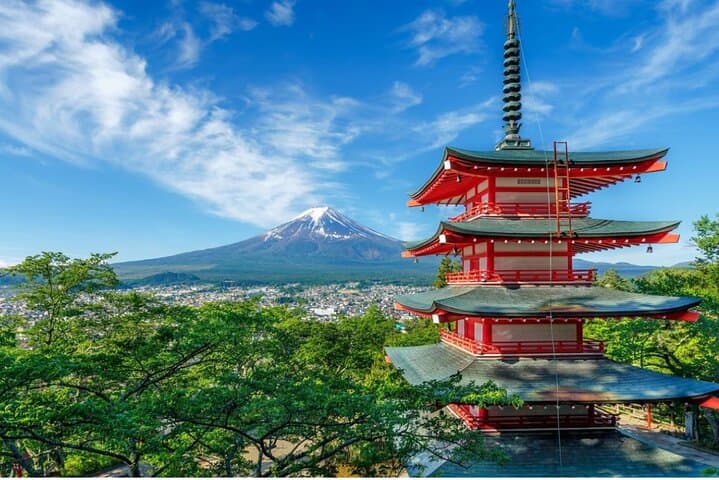
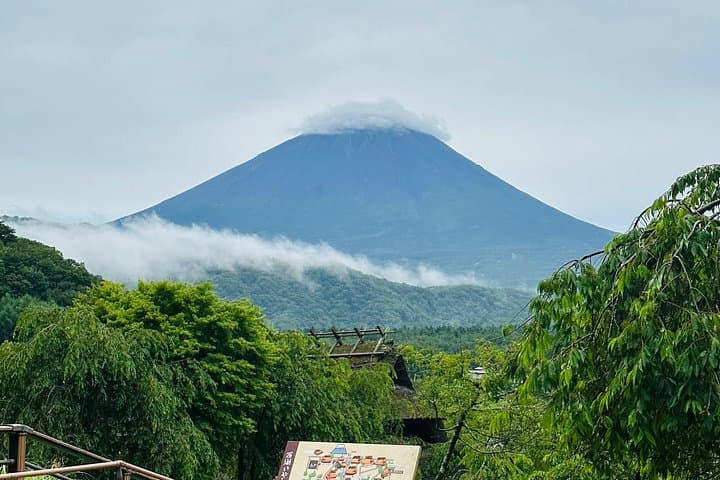
You step from an air‑conditioned van into a wind that can either clear the peak or hide it in a fast-moving cloud. The red tiers of Chureito Pagoda rise up the hillside, framing a towering cone of snow and rock when visibility allows. Around you, farmers' roofs, cedar groves and placid lake surfaces shape a landscape that balances raw geology with quiet human history.
You step from an air‑conditioned van into a wind that can either clear the peak or hide it in a fast-moving cloud. The red tiers of Chureito Pagoda rise up the hillside, framing a towering cone of snow and rock when visibility allows. Around you, farmers' roofs, cedar groves and placid lake surfaces shape a landscape that balances raw geology with quiet human history.
Mount Fuji is Japan’s highest peak (3,776 m) and a World Heritage cultural site: a stratovolcano whose glaciers and eruptions sculpted the Fuji Five Lakes and the Hakone caldera. Hakone’s Lake Ashinoko occupies a volcanic crater formed millennia ago, its inlets ringed by shrine torii and cedar forest that reflect samurai-era pilgrimage routes. Local villages like Oshino Hakkai preserve Edo‑era architecture and spring-fed ponds filtered through volcanic rock.
On a private one‑day tour, pacing matters — stops typically include Chureito Pagoda (roughly 400 steps), the thatched workshops at Saiko Iyashi no Sato, lakeside viewpoints at Yamanakako or Ashinoko, and a Hakone shrine approach. Weather is the single biggest variable: clear mornings offer the best Fuji photographs; afternoons often cloud in.
Practical guidance: bring layers for sudden winds and sun protection for exposed viewpoints, allow extra time for traffic between sites, and be prepared for short uphill walks and stair climbs. If you want a quieter photo window, ask to schedule early pickup; if shopping at Gotemba Outlets is on the list, factor in an extra hour. Respect shrine etiquette and local paths — these landscapes are protected and easiest to enjoy with simple preparation.