THE ADVENTURE COLLECTIVE® · Independent discovery and booking for outdoor travel

Sail four days along the Nile between Aswan and Luxor with full‑board luxury, guided temple visits including Abu Simbel, Kom Ombo, Edfu, Karnak and the Valley of the Kings. This cruise blends comfortable onboard life with dawn and dusk exploration of Egypt’s most iconic ruins.
Sail four days along the Nile between Aswan and Luxor with full‑board luxury, guided temple visits including Abu Simbel, Kom Ombo, Edfu, Karnak and the Valley of the Kings. This cruise blends comfortable onboard life with dawn and dusk exploration of Egypt’s most iconic ruins.
The sun lifts over the Nile and the river wakes like a slow breath, carrying the silhouette of sandstone villages and palms as your ship slips downstream. Guests step from a polished deck into a long horizon of temples and compact towns—each landing a deliberate move between water and ancient stone.
Verified experiences and guided adventures in the surrounding area.
Operated by Vibrant Egypt · Aswan, Aswan Governorate
The sun lifts over the Nile and the river wakes like a slow breath, carrying the silhouette of sandstone villages and palms as your ship slips downstream. Guests step from a polished deck into a long horizon of temples and compact towns—each landing a deliberate move between water and ancient stone.
This four‑day luxury cruise threads Aswan and Luxor, stopping at Philae, the High Dam and the Unfinished Obelisk near Aswan, crossing to Kom Ombo and Edfu, and visiting the great temples and royal tombs on Luxor’s east and west banks. Abu Simbel—Ramses II’s enormous rock-cut sanctuary—anchors the itinerary and recalls the 1960s UNESCO relocation that saved its façade from the rising Nile behind the Aswan High Dam.
Geology here is plain: the Nile’s annual flood built rich riverine soils while the nearby desert exposes Nubian sandstone and granite quarries once prized by pharaohs. Culturally, the voyage stitches modern Nubian villages and Egyptian urban life to pharaonic ritual sites—guides translate hieroglyphs into context and ritual as much as facts.
Practical notes: cabins on modern Nile cruisers are air‑conditioned and meals are included, but expect early mornings and mid‑day heat; temple visits often require stairs and uneven stone. Bring sun protection, comfortable walking shoes, a scarf for temple entry, and small Egyptian pounds for tips and market purchases. Schedule photos at dawn or late afternoon to avoid glare, and carry a printed passport copy for site entries. The trip marries slow, scenic cruising with concentrated, walkable archaeology—ideal for travelers seeking comfort without missing the raw scale of Egypt’s ancient engineering.
easy.
4 days.
Suitable for most fitness levels; walking on uneven stone and short stair sections expected during site visits
The trip runs about four days and includes Aswan highlights (High Dam, Philae, Unfinished Obelisk), Kom Ombo, Edfu, and Luxor sites (Valley of the Kings, Hatshepsut, Colossi of Memnon, Karnak and Luxor Temples), plus Abu Simbel.
Yes—this package lists full board on the cruise and transfers from airport or train station to the ship; check your booking for pickup details.
The cruise and main public areas are wheelchair accessible, but many temples and tombs have stairs and uneven surfaces; contact the operator about specific accessibility needs before booking.
Late autumn through early spring (October–March) offers milder temperatures and smaller crowds; early morning visits help avoid peak heat and tour groups year‑round.
The cruise follows corridors used for millennia; Abu Simbel was famously relocated in the 1960s to save it from the Aswan High Dam reservoir, and Luxor’s east and west banks preserve pharaonic mortuary and temple landscapes.
Tour operators and UNESCO campaigns emphasize site protection—avoid touching reliefs, use designated paths, and reduce plastic waste to limit impact along the Nile.
Vibrant Egypt operates guided outdoor trips and adventures with an emphasis on safety, stewardship, and memorable experiences.
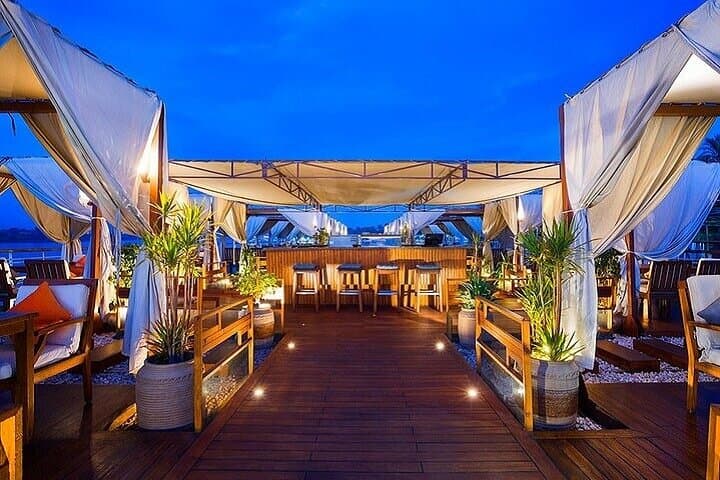
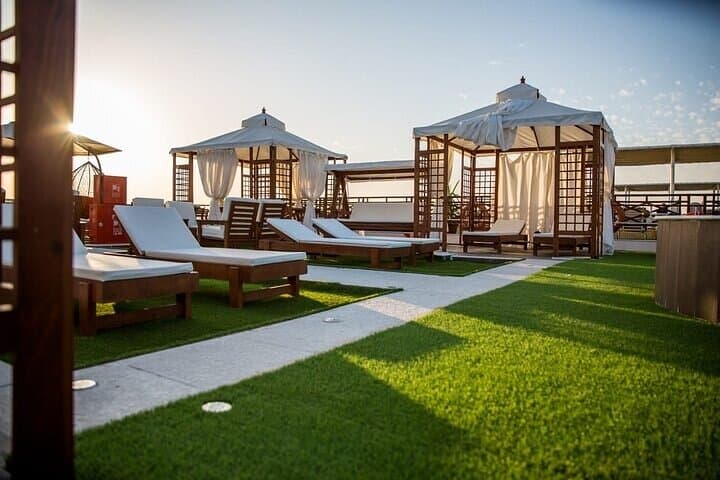
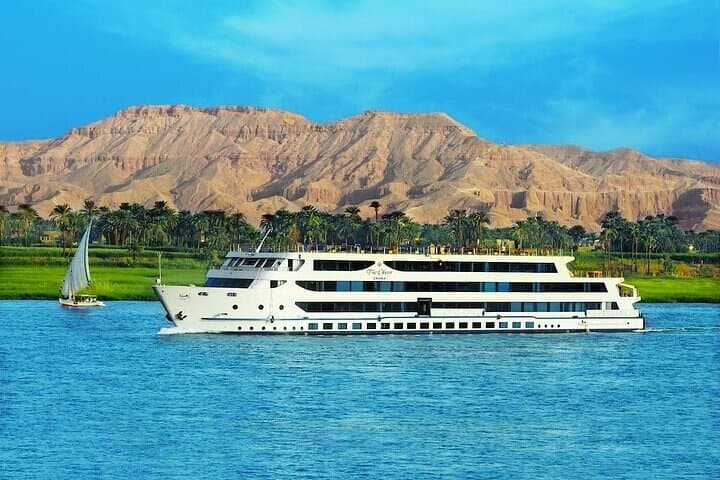
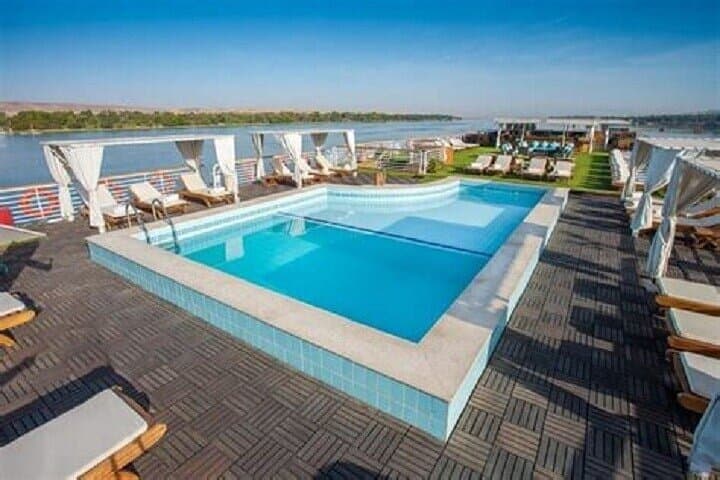
The sun lifts over the Nile and the river wakes like a slow breath, carrying the silhouette of sandstone villages and palms as your ship slips downstream. Guests step from a polished deck into a long horizon of temples and compact towns—each landing a deliberate move between water and ancient stone.
The sun lifts over the Nile and the river wakes like a slow breath, carrying the silhouette of sandstone villages and palms as your ship slips downstream. Guests step from a polished deck into a long horizon of temples and compact towns—each landing a deliberate move between water and ancient stone.
This four‑day luxury cruise threads Aswan and Luxor, stopping at Philae, the High Dam and the Unfinished Obelisk near Aswan, crossing to Kom Ombo and Edfu, and visiting the great temples and royal tombs on Luxor’s east and west banks. Abu Simbel—Ramses II’s enormous rock-cut sanctuary—anchors the itinerary and recalls the 1960s UNESCO relocation that saved its façade from the rising Nile behind the Aswan High Dam.
Geology here is plain: the Nile’s annual flood built rich riverine soils while the nearby desert exposes Nubian sandstone and granite quarries once prized by pharaohs. Culturally, the voyage stitches modern Nubian villages and Egyptian urban life to pharaonic ritual sites—guides translate hieroglyphs into context and ritual as much as facts.
Practical notes: cabins on modern Nile cruisers are air‑conditioned and meals are included, but expect early mornings and mid‑day heat; temple visits often require stairs and uneven stone. Bring sun protection, comfortable walking shoes, a scarf for temple entry, and small Egyptian pounds for tips and market purchases. Schedule photos at dawn or late afternoon to avoid glare, and carry a printed passport copy for site entries. The trip marries slow, scenic cruising with concentrated, walkable archaeology—ideal for travelers seeking comfort without missing the raw scale of Egypt’s ancient engineering.